
How to Test Concrete Impermeability: Water Penetration Depth and Permeability Coefficient
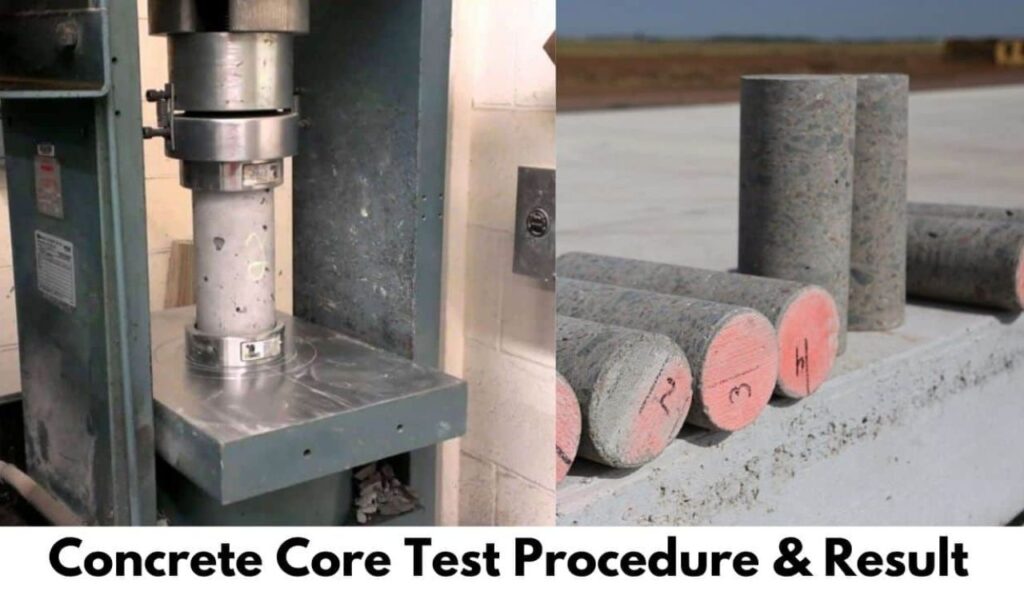
How do you test concrete impermeability? You expose a cured concrete specimen to pressurized water for a set time, then measure how far the water travels or how much passes through. The first approach gives the water penetration depth; the second gives the permeability coefficient. A smaller depth and a lower coefficient both show that […]
Admixtures for Pumped Concrete: Reducing Pressure and Blockages
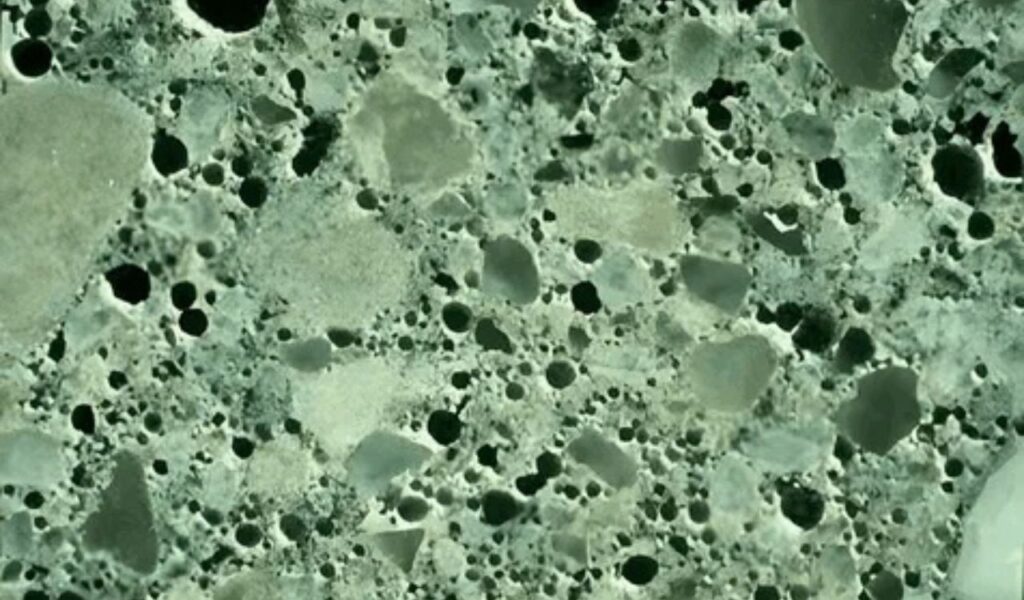
Pumping allows fresh concrete to be transported through pipelines and placed at locations that may be difficult to reach with conventional discharge methods. However, concrete must have the right combination of flowability, cohesion, stability, and rheological behavior to move through the pipeline without excessive pressure or blockage. A concrete mix can appear workable before pumping […]
Self-Compacting Concrete: Admixture Requirements and Mix Design Basics
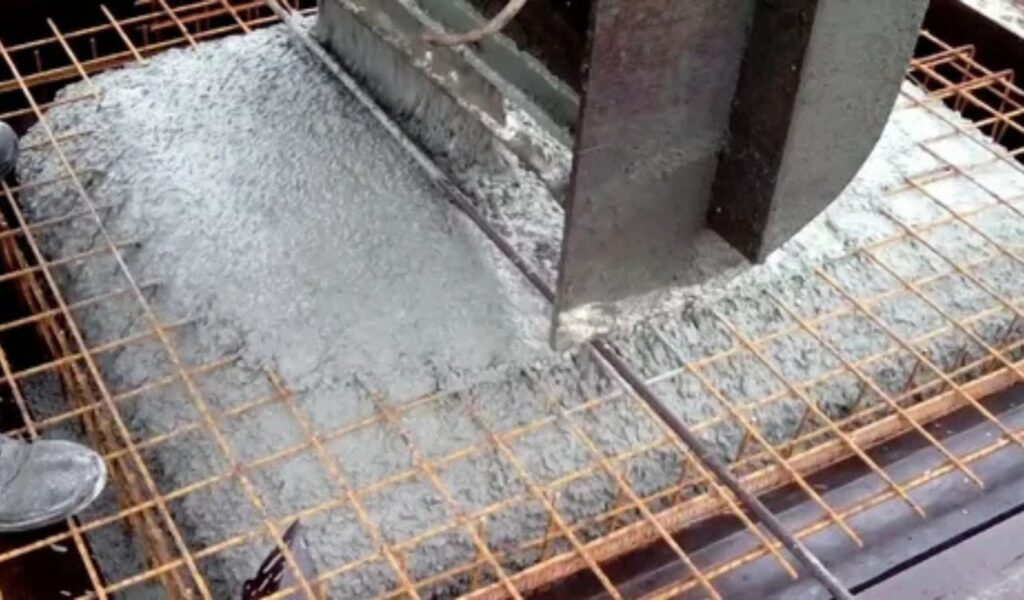
Self-compacting concrete (SCC) is designed to flow under its own weight, fill complex formwork, pass through congested reinforcement, and achieve adequate consolidation without mechanical vibration. Unlike conventional concrete, SCC must balance several fresh-state properties at the same time: filling ability, passing ability, flowability, and resistance to segregation and bleeding. This performance depends on more than […]
Why Are Chemical Admixtures Used in Concrete? 7 Problems They Solve

Chemical admixtures are used in concrete because cement, water, sand, and aggregate alone cannot satisfy every demand of a modern project. The mix has to be pumpable at the plant, placeable around dense rebar, and finishable before the sun stiffens the surface. Afterward it must reach its strength on schedule, resist water and chlorides, and […]
Nano Silica Admixtures and Concrete Strength: How They Work, Dosage and Results

Compressive strength has long been the headline property of concrete, but adding more cement to reach higher strength raises cost, heat of hydration, and carbon footprint. Nano silica offers another route. By working at the scale of the cement paste’s finest pores, it improves the microstructure, boosting strength and durability at low dosages. As one […]
Applications of Waterproof Concrete Additive: Types, Uses and Best Practices

Concrete looks solid, but it is porous. Water moves through its capillary pores under pressure, by suction, or as vapor, and it carries chlorides, sulfates, and carbon dioxide with it. That is why basements seep, tanks leak at joints, and rebar corrodes long before the structure reaches its design life. A waterproof concrete additive tackles […]
Shrinkage Reducing Admixture for Concrete: How It Works & Why It Matters

Concrete naturally shrinks as it dries, and when that shrinkage is restrained, it can lead to cracking in slabs, pavements, walls, and other structural elements. Reinforcement, proper curing, and joint design can help control these cracks, but they do not directly reduce the shrinkage that causes them. This is where shrinkage-reducing admixtures become important. As […]
Prime Concrete Primer & Admixture: Types, Benefits & Applications
Concrete performance depends on more than just the right mix proportions. Even a well-designed concrete mix can face on-site problems when water content, workability, setting time, hydration, or surface bonding aren’t properly controlled. That is why understanding the types of admixtures in concrete matters for engineers, contractors, and construction professionals. A concrete primer and admixture […]
Lignosulfonate Concrete Admixture: Properties, Benefits & Applications

Lignosulfonate is one of the oldest and most widely used water-reducing agents in the concrete industry, valued for its natural origin, cost-effectiveness, and reliable performance in general-purpose concrete. While newer generations of admixtures, such as polycarboxylate ethers, offer higher levels of water reduction, lignosulfonate remains a practical and economical choice for many ready-mix and precast […]
How Sensors Improve Concrete Additive Storage and Monitoring

Concrete additives and chemical admixtures are often stored in tanks, containers, silos, bags, or dedicated warehouse areas before they are introduced into a concrete or mortar production process. Maintaining suitable storage conditions is important because changes in temperature, moisture, product level, or handling conditions can affect material management and production reliability. As concrete production becomes […]