
What Concrete Additives Help Prevent Cracking? Types and Applications

Concrete can crack for many reasons, including drying shrinkage, plastic shrinkage, thermal movement, excess water, settlement, poor curing, and structural restraint. While concrete additives cannot eliminate every type of crack, the right admixture can help control specific properties of a concrete mixture and reduce conditions that contribute to cracking. The selection of concrete additives should […]
High Range Water Reducer: Uses, Benefits and How It Works
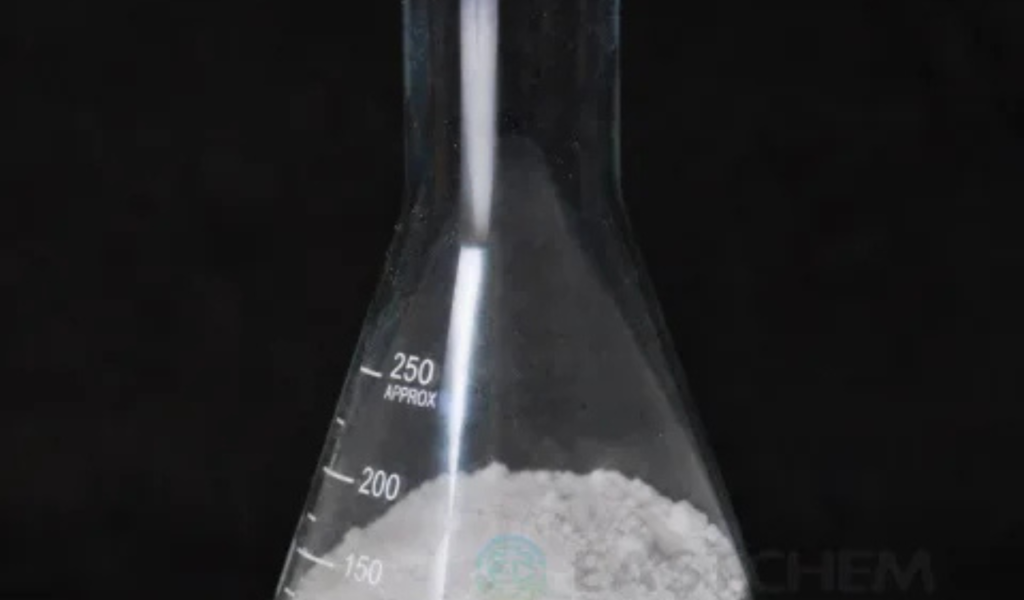
A high range water reducer is a concrete admixture used to significantly improve the workability of a concrete mix while reducing the amount of mixing water required. It is commonly known as a superplasticizer and is especially useful when concrete needs to achieve high flow, improved strength, or better placement without increasing the water-cement ratio. […]
How Waterproof Concrete Additives Reduce Permeability
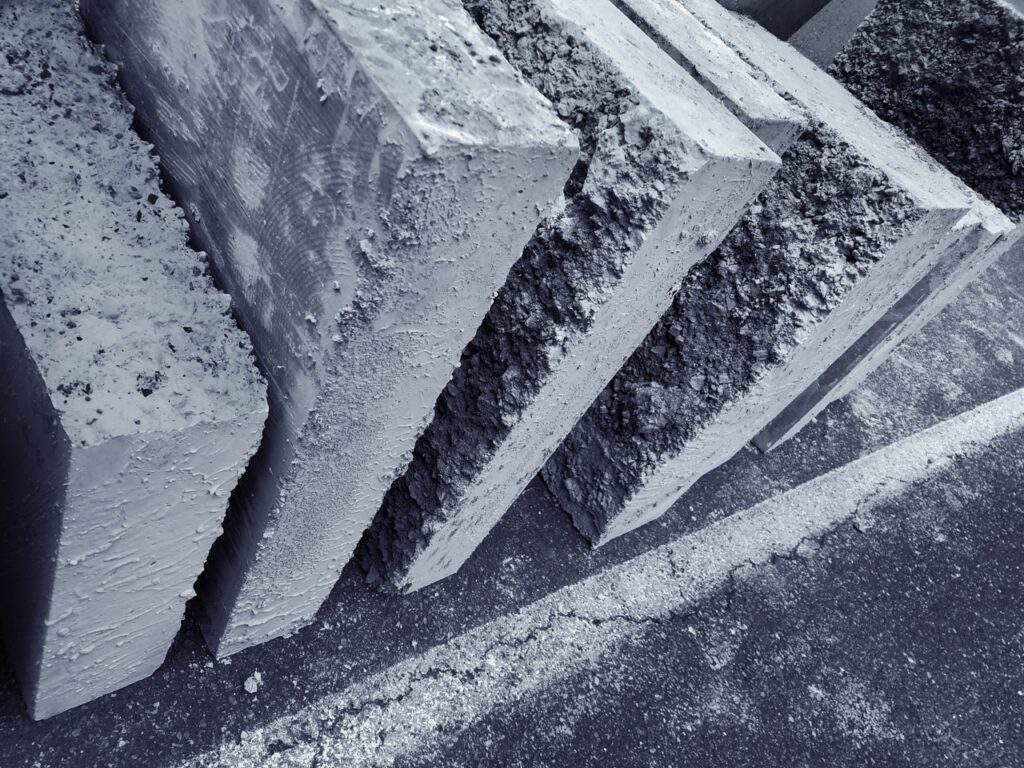
Concrete is naturally porous. Even well-designed concrete contains a network of capillary pores and other microscopic pathways that can allow water and dissolved substances to move through the cementitious matrix. If permeability is too high, moisture can penetrate deeper into the concrete, potentially contributing to durability problems, reinforcement corrosion, freeze-thaw damage, and deterioration in water-exposed […]
How Water Resistant Concrete Admixtures Reduce Permeability and Water Ingress

Concrete contains capillary pores that can allow water and aggressive substances to penetrate. A water-resistant concrete admixture can reduce these pathways and improve durability. Such solutions also contribute to concrete admixtures market sustainability by supporting longer-lasting concrete structures. Understanding Concrete Permeability Permeability describes how easily fluids can move through a porous material under a pressure […]
How Waterproofing Concrete Additives Prevent Water Penetration
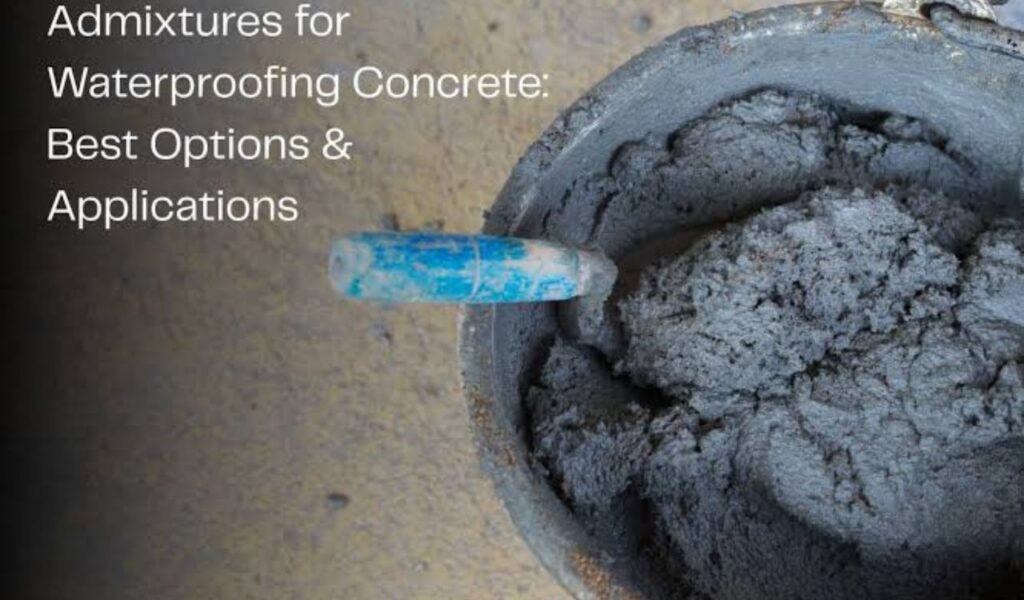
Concrete is widely used for foundations, basements, tunnels, water tanks, reservoirs, bridges, and other structures exposed to moisture. Although concrete appears solid, its hardened cement paste contains microscopic pores and capillary channels that can allow water to enter and move through the material. A waterproofing concrete additive is incorporated into the concrete mix to reduce […]
How Chemical Admixtures Are Formulated for Concrete
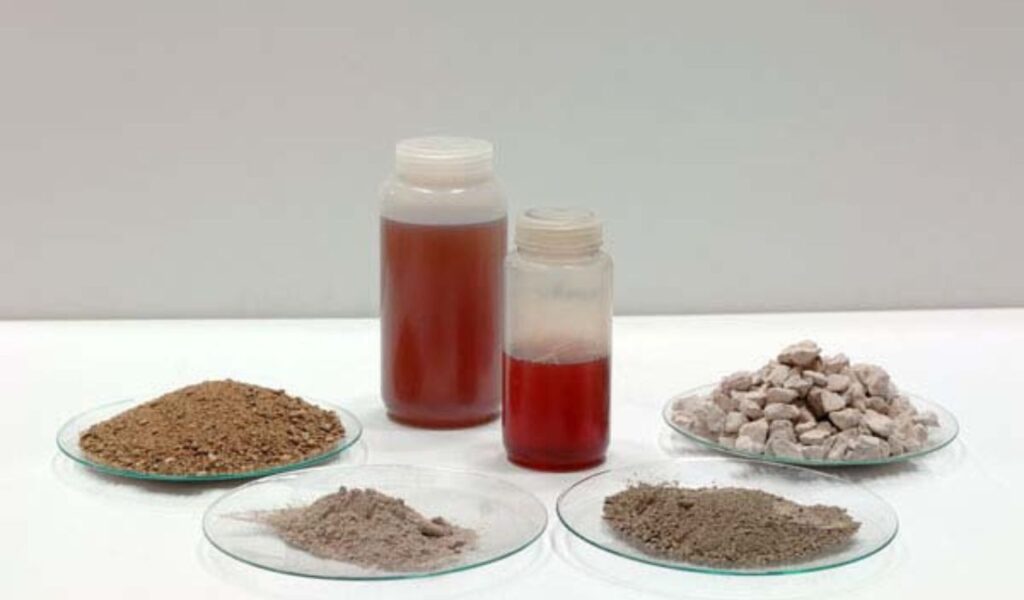
Chemical admixtures are formulated to modify specific properties of concrete, mortar, and other cement-based materials. They can influence workability, water demand, setting behavior, air content, strength development, durability, and other performance characteristics. Unlike cement or aggregates, which are normally used in relatively well-defined proportions within a concrete mixture, chemical admixtures are highly specialized products. Their […]
Chemical Admixtures Formula: Composition & Dosage Guide
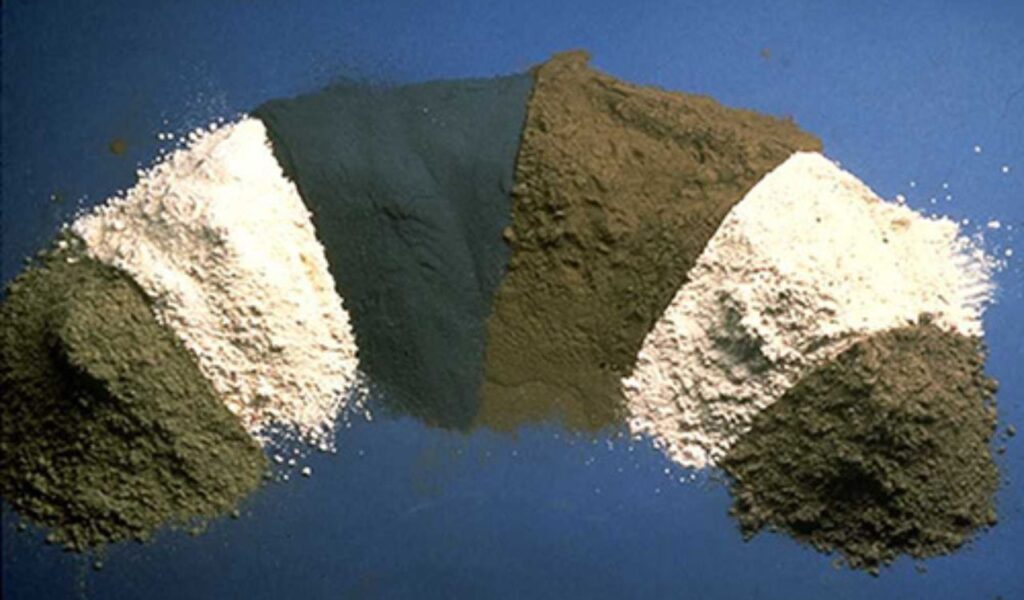
Chemical admixtures are an important part of modern concrete technology because they allow manufacturers and concrete professionals to modify fresh and hardened concrete properties without changing the basic proportions of cement, aggregates, and water alone. Depending on the intended application, an admixture may improve workability, reduce water demand, control setting time, increase durability, or provide […]
Concrete Admixtures for Low-Carbon Concrete: Performance, Compatibility and Material Selection
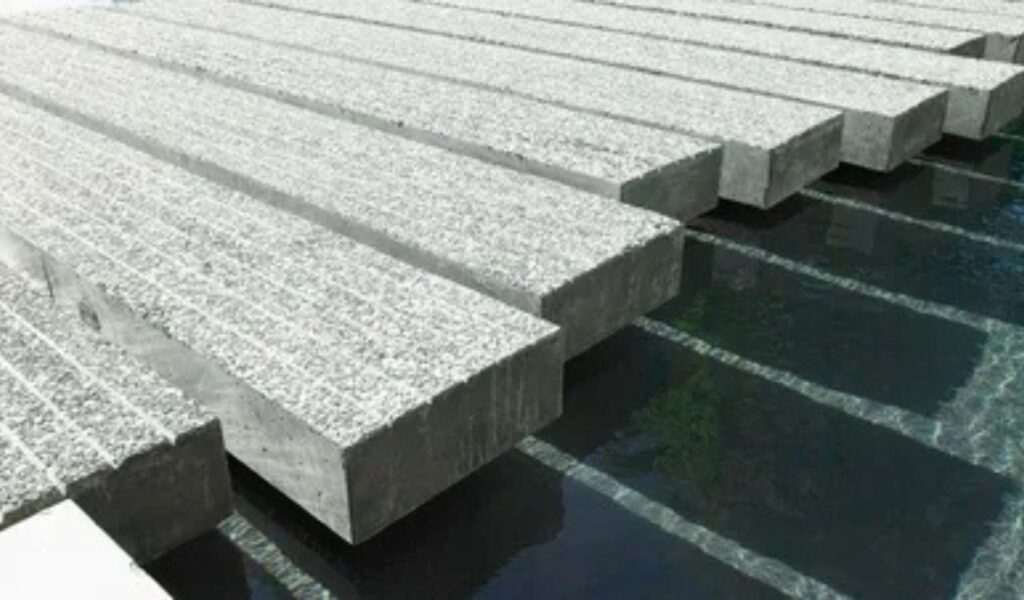
Reducing the carbon intensity of concrete increasingly involves changes to the binder system, clinker content, aggregate selection, production process, and mix design. One important part of this transition is the use of concrete admixtures for low-carbon concrete, which can help maintain workability and performance when conventional cement is partially replaced with supplementary cementitious materials (SCMs) […]
ASTM C494 Admixture Types: Classification, Applications and Selection Guide

Concrete admixtures allow engineers and concrete producers to modify specific properties of a mixture without redesigning every component of the concrete system. Depending on the formulation, an admixture can reduce water demand, control setting time, increase early strength development, improve workability, or provide a specialized performance function. For professionals working with concrete, understanding ASTM C494 […]
Concrete Admixtures Market: How AI Is Changing Mix Design and Admixture Optimization

The concrete admixtures market is gradually incorporating artificial intelligence, machine learning, and data analytics into concrete mix development and production. These technologies can process large amounts of information and identify relationships between materials, environmental conditions, admixture dosage, and concrete performance. They can also support analysis of the concrete admixtures market by product type, helping manufacturers […]