
Prime Concrete Primer & Admixture: Types, Benefits & Applications
Concrete performance depends on more than just the right mix proportions. Even a well-designed concrete mix can face on-site problems when water content, workability, setting time, hydration, or surface bonding aren’t properly controlled. That is why understanding the types of admixtures in concrete matters for engineers, contractors, and construction professionals. A concrete primer and admixture […]
Lignosulfonate Concrete Admixture: Properties, Benefits & Applications
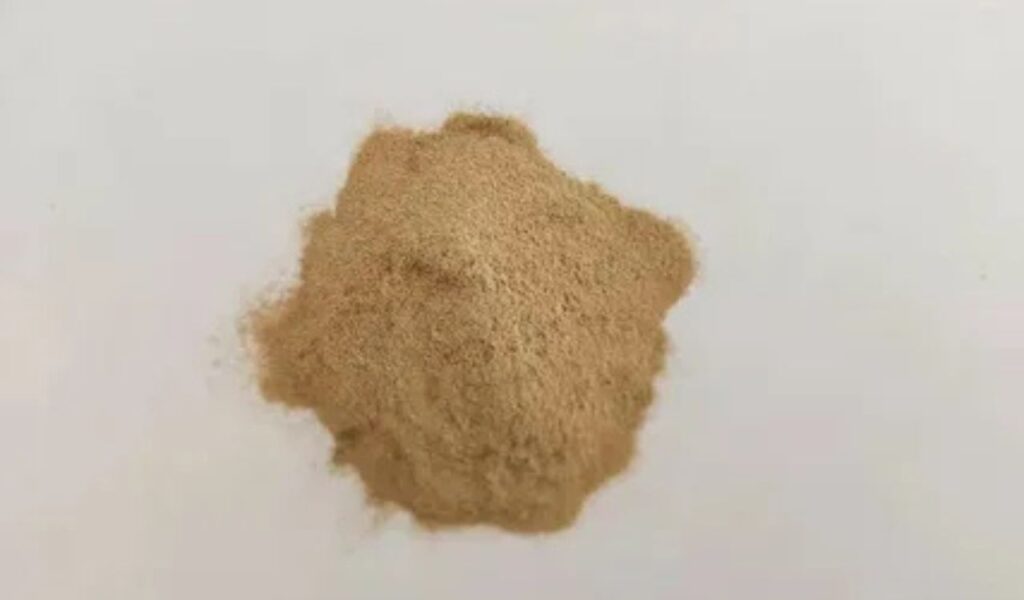
Lignosulfonate is one of the oldest and most widely used water-reducing agents in the concrete industry, valued for its natural origin, cost-effectiveness, and reliable performance in general-purpose concrete. While newer generations of admixtures, such as polycarboxylate ethers, offer higher levels of water reduction, lignosulfonate remains a practical and economical choice for many ready-mix and precast […]
How Water Reducing Admixtures Improve Concrete Mix Design
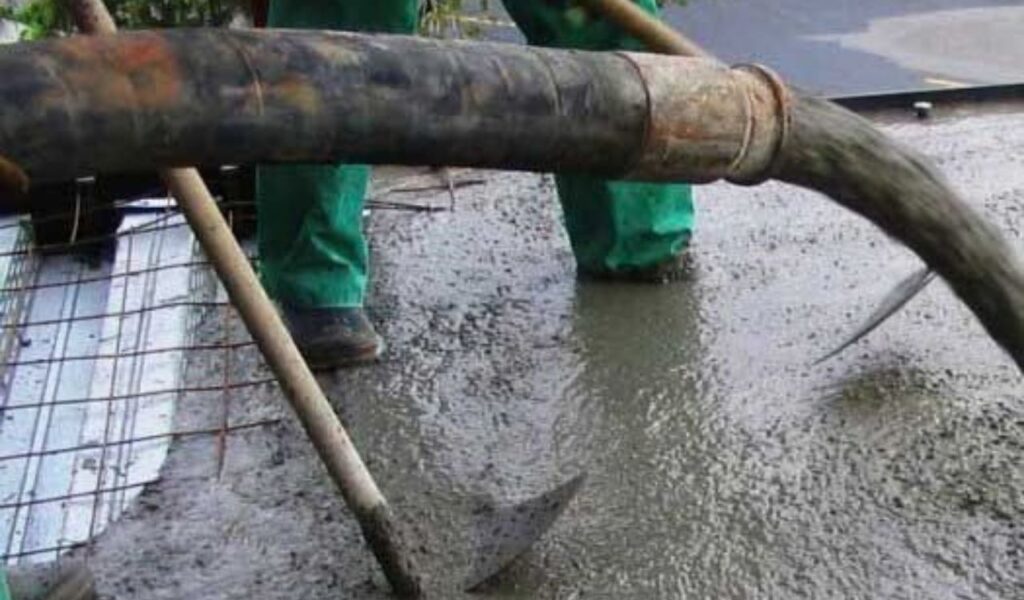
Concrete mix design is a balance between strength, workability, durability, material efficiency, and placement requirements. One of the most important variables in that balance is the amount of water used in the mixture. Water is necessary for cement hydration and for achieving workable concrete, but excessive water can increase porosity and reduce the performance of […]
How Sensors Improve Concrete Additive Storage and Monitoring
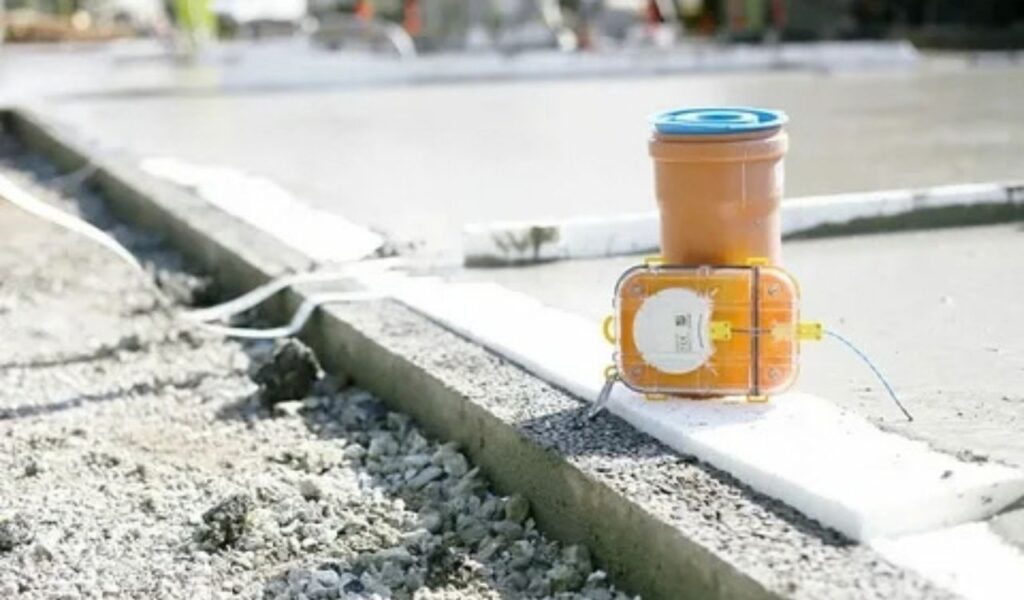
Concrete additives and chemical admixtures are often stored in tanks, containers, silos, bags, or dedicated warehouse areas before they are introduced into a concrete or mortar production process. Maintaining suitable storage conditions is important because changes in temperature, moisture, product level, or handling conditions can affect material management and production reliability. As concrete production becomes […]
What Is a Concrete Water Reducing Agent? A Complete Guide

A concrete water reducing agent is a chemical admixture used to reduce the amount of mixing water required to produce concrete with a desired level of workability. By improving the dispersion of cement particles, a water-reducing admixture can make concrete easier to mix, transport, pump, place, and consolidate without relying on unnecessary additional water. Water-reducing […]
What Concrete Additives Help Prevent Cracking? Types and Applications
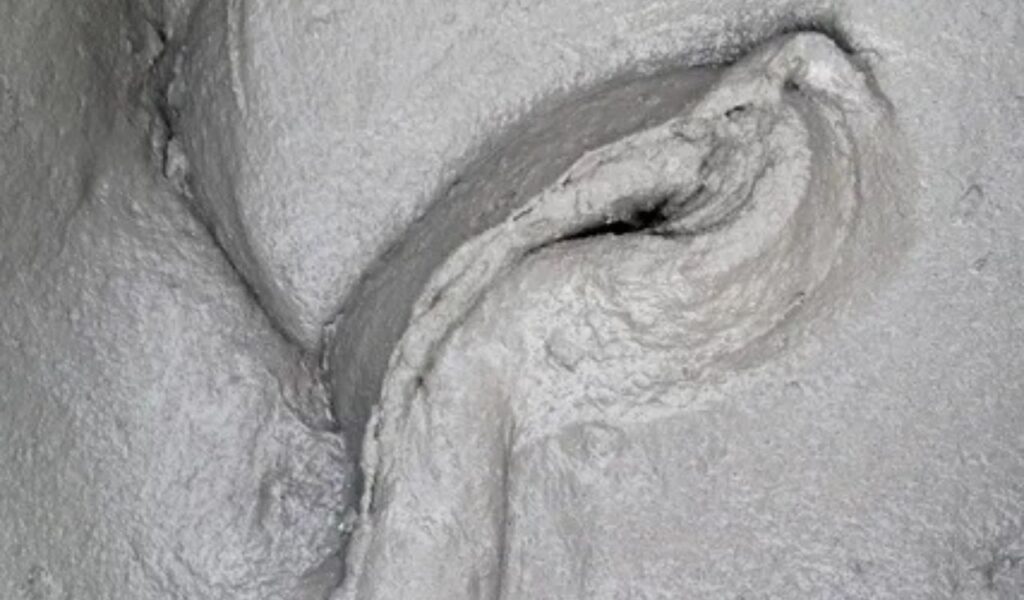
Concrete can crack for many reasons, including drying shrinkage, plastic shrinkage, thermal movement, excess water, settlement, poor curing, and structural restraint. While concrete additives cannot eliminate every type of crack, the right admixture can help control specific properties of a concrete mixture and reduce conditions that contribute to cracking. The selection of concrete additives should […]
High Range Water Reducer: Uses, Benefits and How It Works
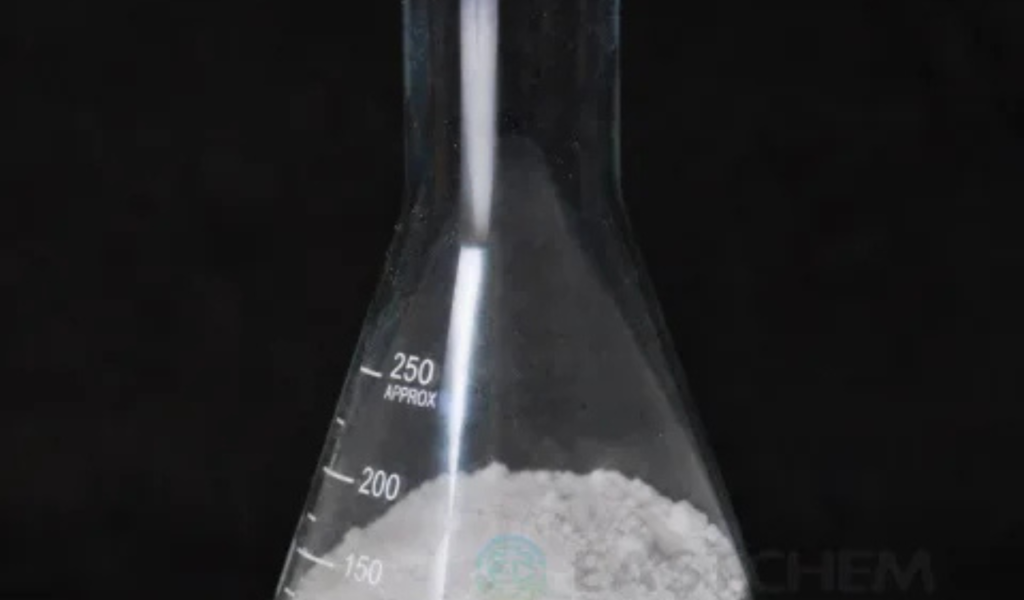
A high range water reducer is a concrete admixture used to significantly improve the workability of a concrete mix while reducing the amount of mixing water required. It is commonly known as a superplasticizer and is especially useful when concrete needs to achieve high flow, improved strength, or better placement without increasing the water-cement ratio. […]
How Waterproof Concrete Additives Reduce Permeability
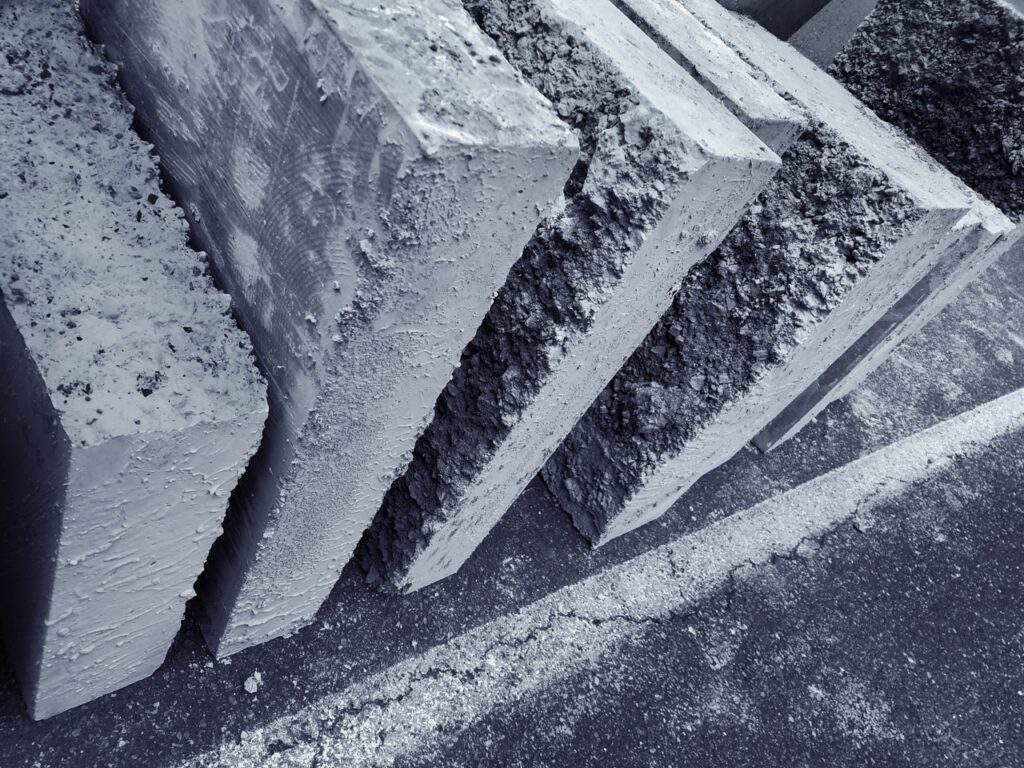
Concrete is naturally porous. Even well-designed concrete contains a network of capillary pores and other microscopic pathways that can allow water and dissolved substances to move through the cementitious matrix. If permeability is too high, moisture can penetrate deeper into the concrete, potentially contributing to durability problems, reinforcement corrosion, freeze-thaw damage, and deterioration in water-exposed […]
How Water Resistant Concrete Admixtures Reduce Permeability and Water Ingress
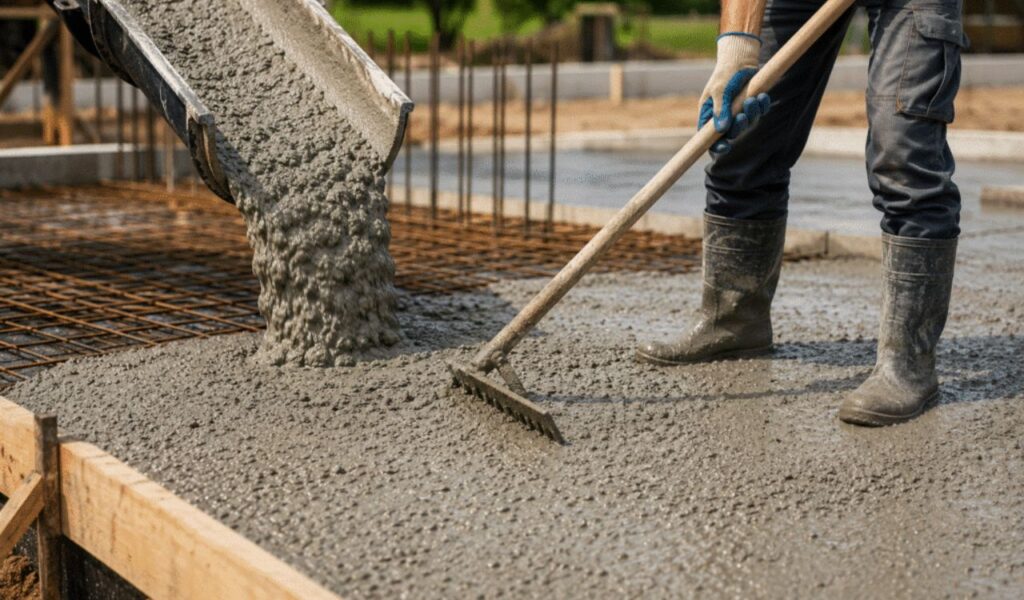
Concrete contains capillary pores that can allow water and aggressive substances to penetrate. A water-resistant concrete admixture can reduce these pathways and improve durability. Such solutions also contribute to concrete admixtures market sustainability by supporting longer-lasting concrete structures. Understanding Concrete Permeability Permeability describes how easily fluids can move through a porous material under a pressure […]
How Waterproofing Concrete Additives Prevent Water Penetration
Concrete is widely used for foundations, basements, tunnels, water tanks, reservoirs, bridges, and other structures exposed to moisture. Although concrete appears solid, its hardened cement paste contains microscopic pores and capillary channels that can allow water to enter and move through the material. A waterproofing concrete additive is incorporated into the concrete mix to reduce […]