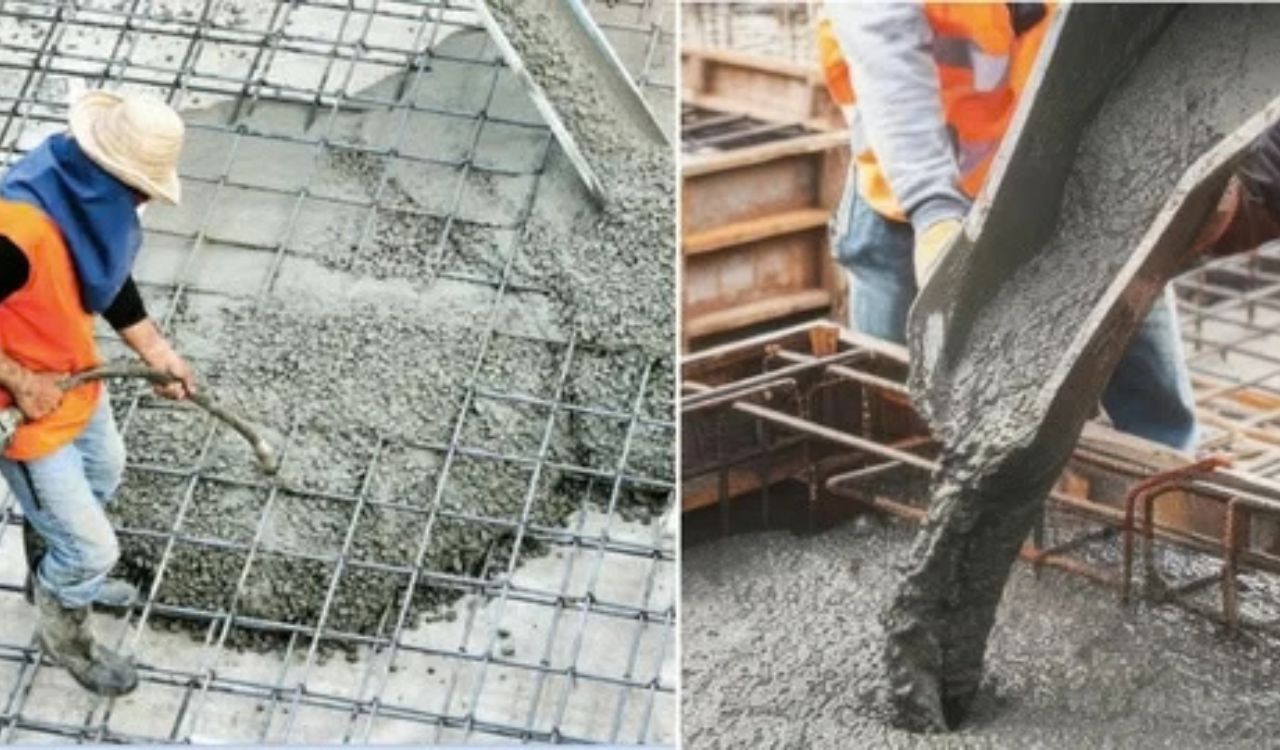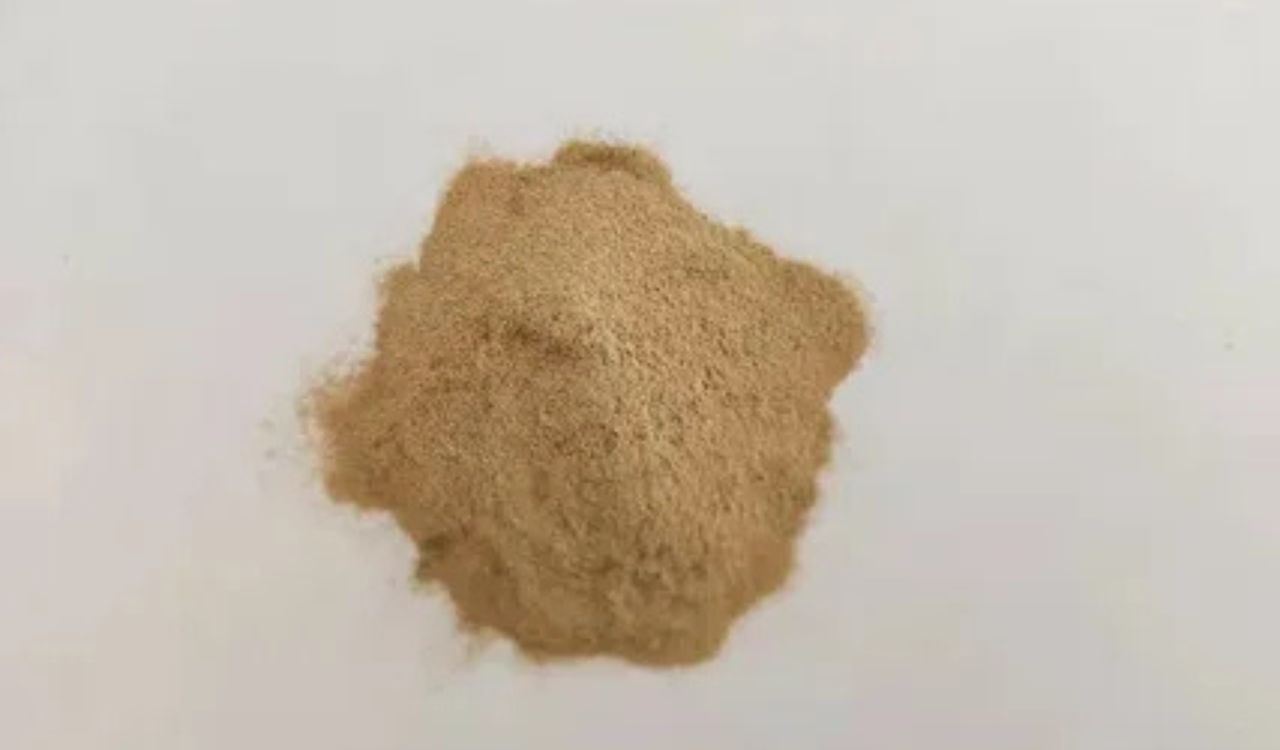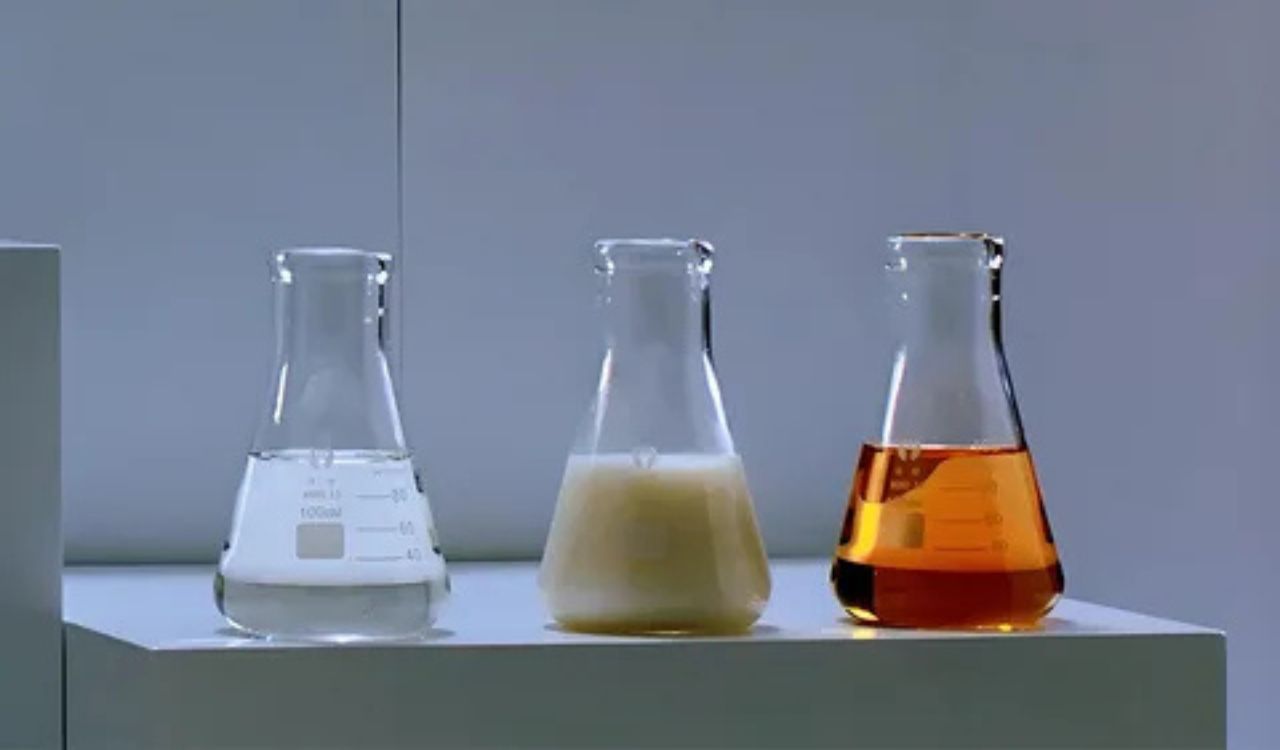
A concrete water reducing agent is a chemical admixture used to reduce the amount of mixing water required to produce concrete with a desired level of workability. By improving the dispersion of cement particles, a water-reducing admixture can make concrete easier to mix, transport, pump, place, and consolidate without relying on unnecessary additional water.
Water-reducing agents are used across a wide range of concrete applications, including ready-mix concrete, precast products, high-strength concrete, infrastructure projects, and self-compacting concrete. Depending on their chemistry and performance requirements, they range from conventional plasticizers to high-range water reducers, commonly known as superplasticizers.
They are also an important part of the broader types of admixtures in concrete, a category that includes water reducers, set retarders, accelerators, air-entraining agents, corrosion inhibitors, and waterproofing admixtures. Each type is designed to modify specific properties of fresh or hardened concrete, making admixture selection an important part of modern mix design.
Understanding how these products work is important for engineers, contractors, concrete producers, and industrial buyers because the right admixture can influence workability, water-cement ratio, strength development, setting behavior, durability, and overall concrete performance.
What Is a Concrete Water Reducing Agent?
A concrete water reducing agent is an admixture added to fresh concrete to reduce water demand while maintaining a required consistency or workability.
Concrete typically contains cementitious materials, water, fine aggregate, coarse aggregate, and, when required, chemical admixtures. Cement particles can naturally form clusters when mixed with water. A water-reducing admixture helps disperse these particles, allowing the cementitious system to flow more efficiently.
This gives concrete producers two main options:
- Maintain the same water content and increase workability.
- Maintain the required workability while reducing mixing water.
The second approach is particularly useful when the goal is to control the water-cement ratio.
How Does a Concrete Water Reducer Work?
The mechanism depends on the chemical composition of the product.
Many water-reducing admixtures interact with cement particles through electrostatic repulsion, steric hindrance, or a combination of these effects. This disperses cement particles and reduces the amount of water trapped between particle clusters.
The simplified process is:
Admixture addition → cement particle dispersion → improved flow → lower water demand
Traditional water reducers often rely primarily on electrostatic dispersion, while modern polycarboxylate ether (PCE) superplasticizers can provide strong steric dispersion because of their molecular structure.
The actual response depends on cement chemistry, admixture dosage, temperature, aggregate characteristics, supplementary cementitious materials, and other components of the concrete mixture.
Why Is Water Reduction Important in Concrete?
Water is necessary for cement hydration and concrete workability, but adding more water than necessary can affect hardened concrete properties.
When excess water is used to increase slump, the resulting concrete may have a higher water-cement ratio than originally intended. Controlling the water-cement ratio can help producers develop concrete with suitable strength and durability.
A properly selected water reducer can therefore help with:
- Controlled water-cement ratio
- Improved workability
- Higher potential strength
- Reduced permeability
- Improved durability
- Better pumping characteristics
- More consistent concrete production
Water reduction should always be considered as part of the complete mix design rather than as an independent method of improving concrete.
Types of Concrete Water Reducing Agents
Water reducers can be divided into several categories based on their performance and additional functions.
Conventional Water-Reducing Admixtures
Conventional water reducers, often called plasticizers, provide moderate water reduction while improving or maintaining concrete workability.
They are commonly used in general concrete applications where producers need better workability or controlled water demand without the very high flow associated with superplasticizers.
Under ASTM C494, Type A represents water-reducing admixtures.
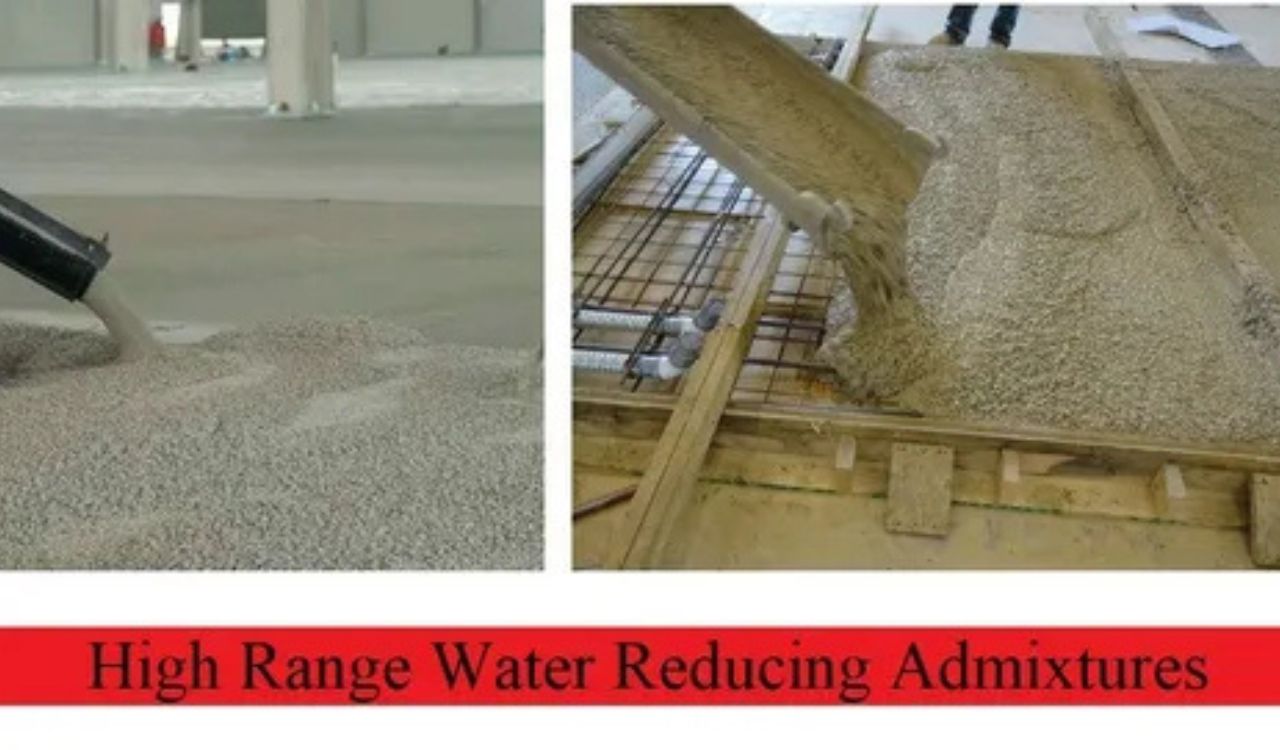
High-Range Water Reducers
High-range water reducers provide greater water reduction or workability improvement than conventional water reducers.
They are also commonly known as superplasticizers and are widely used in high-performance concrete.
Applications can include:
- High-strength concrete
- Self-compacting concrete
- Heavily reinforced structures
- Pumped concrete
- Precast concrete
- High-flow concrete
ASTM C494 identifies Type F as a high-range water-reducing admixture.
Polycarboxylate Ether Superplasticizers
Polycarboxylate ether, or PCE, is an important technology used in modern high-range water-reducing admixtures.
PCE molecules can provide strong dispersion of cement particles and can be formulated for different requirements, such as high initial water reduction or extended slump retention.
PCE-based products are commonly considered for:
- High-performance concrete
- Self-compacting concrete
- Precast production
- High-strength concrete
- Pumped concrete
- Concrete requiring extended workability
Different PCE formulations can respond differently to cement and supplementary cementitious materials, so compatibility testing is important.
Water-Reducing and Retarding Admixtures
Some admixtures combine water reduction with delayed setting.
These products can be useful when concrete must remain workable for longer periods, especially during:
- Hot-weather placement
- Long transportation
- Large concrete pours
- Complex construction operations
ASTM C494 identifies Type D as a water-reducing and retarding admixture.
Water-Reducing and Accelerating Admixtures
Other formulations combine water reduction with acceleration.
These products can be considered when both controlled water demand and faster setting or early strength development are required.
ASTM C494 identifies Type E as a water-reducing and accelerating admixture.
Benefits of a Concrete Water Reducing Agent
Improved Workability
One of the main benefits of a water reducer is improved workability without requiring the same increase in mixing water.
This can make concrete easier to place and consolidate, particularly in congested reinforcement or complex formwork.
Reduced Water Demand
Water-reducing admixtures allow concrete producers to achieve a target consistency with less mixing water.
This can be particularly valuable when a specified water-cement ratio needs to be maintained.
Higher Strength Potential
When a water reducer allows water content to be reduced while maintaining suitable workability, the resulting lower water-cement ratio can contribute to higher concrete strength.
Strength development still depends on cementitious materials, curing, aggregate properties, mixture proportions, and other factors.
Improved Durability
Concrete with an appropriately controlled water-cement ratio can have lower permeability and better resistance to the movement of water and aggressive substances.
Water reducers can therefore support durability when they are incorporated into a properly designed concrete mixture.
Better Pumpability
Suitable admixture technology can improve concrete flow and rheological behavior, helping concrete move through pumping systems.
This can be important for high-rise construction, long-distance pumping, and heavily reinforced structures.
More Efficient Mix Design
Water reduction can allow producers to optimize concrete mixtures around required workability and performance rather than relying on additional water.
Concrete Water Reducer vs. Superplasticizer
The terms water reducer and superplasticizer are sometimes used interchangeably, but they generally refer to different levels of performance.
| Characteristic | Conventional water reducer | High-range water reducer |
| Common name | Plasticizer | Superplasticizer |
| Water reduction | Moderate | High |
| Flow improvement | Moderate | High |
| Typical use | General concrete | High-performance concrete |
| Low water-cement ratio | Suitable | Particularly suitable |
| Self-compacting concrete | Limited | Common |
| ASTM C494 example | Type A | Type F |
The actual performance depends on the specific product formulation and concrete materials.
Where Are Water Reducing Agents Used?
Ready-Mix Concrete
Ready-mix producers use water reducers to control workability and water demand during production and transportation.
For longer delivery times, formulations with suitable slump-retention characteristics may be preferred.
Precast Concrete
Precast production requires consistent concrete properties and efficient production cycles.
Water reducers and superplasticizers can help achieve the required workability while supporting early strength and controlled water content.
High-Strength Concrete
High-strength concrete often requires a relatively low water-cement ratio while maintaining sufficient workability.
High-range water reducers can help achieve this balance.
Self-Compacting Concrete
Self-compacting concrete requires high flowability while maintaining stability and minimizing segregation.
High-range water reducers are commonly used to achieve the required flow characteristics.
Pumped Concrete
Concrete used in pumping applications must have suitable flow and cohesion.
A properly selected water reducer can help achieve workability appropriate for pumping while maintaining the designed water content.
Infrastructure Construction
Bridges, tunnels, foundations, roads, dams, and other infrastructure projects can use water-reducing admixtures when controlled workability, strength, and durability are required.
What Factors Affect Water Reducer Performance?
The performance of a water-reducing agent depends on more than its chemical formulation.
Cement Type and Chemistry
Cement composition and fineness can influence how an admixture interacts with cement particles.
Different cement sources may produce different effects in terms of slump, setting, and water reduction.
Aggregate Properties
Aggregate grading, shape, surface texture, moisture content, and absorption can influence concrete workability and admixture demand.
Temperature
Temperature affects cement hydration and concrete setting.
Hot conditions can increase slump loss and accelerate setting, while cold conditions can slow hydration.
Supplementary Cementitious Materials
Fly ash, slag, silica fume, and other supplementary cementitious materials can change the rheology and admixture response of concrete.
Their presence should therefore be considered during trial batching.
Admixture Dosage
The dosage must be appropriate for the product and concrete mixture.
Using more admixture does not automatically produce better performance and may cause unwanted effects such as excessive retardation, air changes, bleeding, or segregation.
Other Chemical Admixtures
Water reducers may be used together with other concrete additives, including:
- Waterproofing admixtures
- Air-entraining admixtures
- Accelerators
- Retarders
- Corrosion inhibitors
- Shrinkage-reducing admixtures
Compatibility should be verified through testing.
How to Select a Concrete Water Reducing Agent
Selecting the correct product should begin with the required concrete performance.
Consider:
- Target slump or flow
- Required water-cement ratio
- Strength requirements
- Transportation time
- Concrete temperature
- Cement type
- Aggregate characteristics
- Supplementary cementitious materials
- Required slump retention
- Setting-time requirements
- Pumping or placement method
- Compatibility with other admixtures
- Applicable project standards
Laboratory trial batches using the actual project materials can provide more useful information than relying only on generic product data.
Water Reducer Dosage and Testing
Admixture dosage varies according to the product formulation and concrete mixture.
Before full-scale production, trial testing can evaluate:
- Slump
- Slump retention
- Water content
- Air content
- Setting time
- Compressive strength
- Flexural strength where required
- Bleeding
- Segregation
- Pumpability
- Compatibility with other admixtures
Testing should be conducted under conditions that reasonably represent the intended production environment.
Common Problems With Water Reducing Agents
Excessive Slump Loss
Some mixtures may lose workability quickly depending on cement chemistry, temperature, transportation time, and admixture formulation.
A product designed for slump retention may be more appropriate when extended workability is required.
Changes in Setting Time
Water reducers can affect setting behavior, particularly when dosage, temperature, or cement chemistry changes.
Bleeding and Segregation
An unsuitable admixture dosage or poorly balanced mixture can contribute to instability.
Inconsistent Performance
Changes in cement, aggregate moisture, temperature, batching sequence, or admixture dosage can affect results.
Compatibility Problems
A water reducer may behave differently when combined with another chemical admixture. Compatibility should therefore be verified before production.
Best Practices for Using Water Reducing Agents
For reliable performance:
- Follow the manufacturer’s recommended dosage range.
- Conduct trial batches using actual project materials.
- Control aggregate moisture.
- Avoid uncontrolled water addition at the job site.
- Monitor slump and air content.
- Check setting time under expected temperatures.
- Verify compatibility with other admixtures.
- Maintain consistent batching procedures.
- Store admixtures according to technical requirements.
- Monitor concrete performance throughout production.
Water Reducing Agents and Other Concrete Additives
A water reducer is only one type of chemical admixture used in concrete.
Other concrete additives can address different performance requirements.
| Admixture | Primary purpose |
| Water reducer | Reduce water demand and improve workability |
| Superplasticizer | Provide high water reduction or high flow |
| Waterproofing admixture | Reduce water penetration |
| Air-entraining admixture | Improve freeze-thaw resistance |
| Retarder | Delay setting |
| Accelerator | Increase setting or early strength development |
| Shrinkage-reducing admixture | Reduce drying shrinkage |
| Corrosion inhibitor | Help protect reinforcing steel under suitable conditions |
A concrete mixture may use more than one admixture, but compatibility and dosage need to be evaluated carefully.
Water Reducing Agents and Concrete Durability
Water reduction can contribute to durability when it allows the concrete mixture to achieve an appropriate water-cement ratio and lower permeability.
Lower permeability can reduce the movement of water and potentially limit the transport of certain aggressive substances through the concrete.
However, durability depends on many factors, including:
- Cementitious materials
- Water-cement ratio
- Concrete cover
- Curing
- Cracking
- Aggregate quality
- Exposure conditions
- Construction quality
A water-reducing admixture should therefore be viewed as one component of a complete durability strategy.
Role of Luke Chemicals
Luke Chemicals develops concrete admixture technologies for applications requiring controlled workability, water reduction, strength development, and concrete durability. For engineers and industrial buyers, selecting an appropriate product should be based on the required concrete properties, compatibility with local raw materials, dosage requirements, and project-specific testing.
Limitations of Concrete Water Reducing Agents
Although water reducers offer important performance benefits, they cannot replace proper concrete engineering.
They cannot compensate for:
- Poor mix proportions
- Excessive water addition
- Inadequate curing
- Poor aggregate quality
- Incorrect reinforcement
- Improper placement
- Insufficient consolidation
- Poor joint design
- Inadequate quality control
The best results come from combining appropriate admixture technology with sound concrete mix design and construction practices.
Conclusion
A concrete water reducing agent is a chemical admixture designed to improve workability while reducing the amount of water needed to produce concrete with a required consistency. By dispersing cement particles, water reducers can help producers control water demand and develop mixtures with suitable workability, strength, and durability.
Conventional water reducers are suitable for many general applications, while high-range water reducers and PCE-based superplasticizers are commonly used when higher water reduction or flow is required.
Choosing the right product requires consideration of cement chemistry, aggregates, temperature, water-cement ratio, supplementary cementitious materials, dosage, transportation time, and compatibility with other admixtures. Trial batching and consistent quality control are essential for achieving predictable results.
When properly selected and applied, water-reducing technology can be an important part of producing efficient, workable, and durable concrete.
Frequently Asked Questions
What is a concrete water reducing agent?
A concrete water reducing agent is a chemical admixture that reduces the amount of mixing water required to achieve a desired level of concrete workability. It can help control the water-cement ratio while maintaining suitable flow and placement characteristics.
What is the main purpose of a water reducing admixture?
The main purpose is to reduce water demand while maintaining or improving workability. This can help concrete producers achieve the required consistency without unnecessarily increasing the water-cement ratio.
Does a water reducer increase concrete strength?
A water reducer can contribute to higher strength when it allows the mixture to use less water while maintaining suitable workability. However, strength also depends on cementitious materials, aggregate properties, curing, mixture proportions, and other factors.
What is the difference between a water reducer and a superplasticizer?
A conventional water reducer generally provides moderate water reduction, while a superplasticizer or high-range water reducer provides substantially greater water reduction or flow improvement. The appropriate choice depends on the required concrete performance.
Can water reducing agents be used with waterproofing admixtures?
They can potentially be used together, but compatibility should be verified through trial testing. Different admixtures can interact and affect slump, setting time, air content, strength, or other concrete properties.
How is the correct dosage of a water reducing agent determined?
Dosage is determined based on the product formulation, concrete materials, required workability, water-cement ratio, temperature, and other project conditions. Trial batching with the actual materials is the preferred way to establish an appropriate dosage.
Are water reducing agents suitable for precast concrete?
Yes. Water-reducing agents and high-range water reducers are commonly considered for precast concrete where controlled workability, water content, strength development, and production efficiency are important.