
Properties of Sodium Naphthalene Sulfonate (SNF) Superplasticizer: How It Works and Where It Falls Short
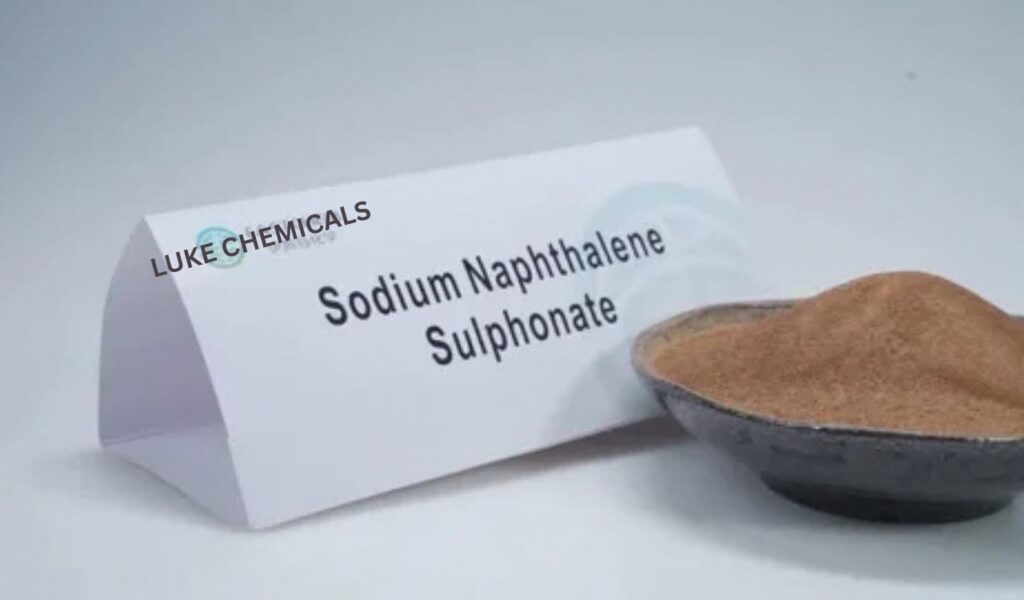
Sodium naphthalene sulfonate (SNF) has been used as a high-range water reducer in concrete for decades. Newer polycarboxylate (PCE) products now take much of the high-end market, but SNF is still widely used because it is predictable, cost-effective, and well suited to precast plants, steam-cured elements, and many ready-mix applications. This guide covers the properties […]
PCE Molecular Structure: How Side Chain Length and Carboxyl Density Control Performance
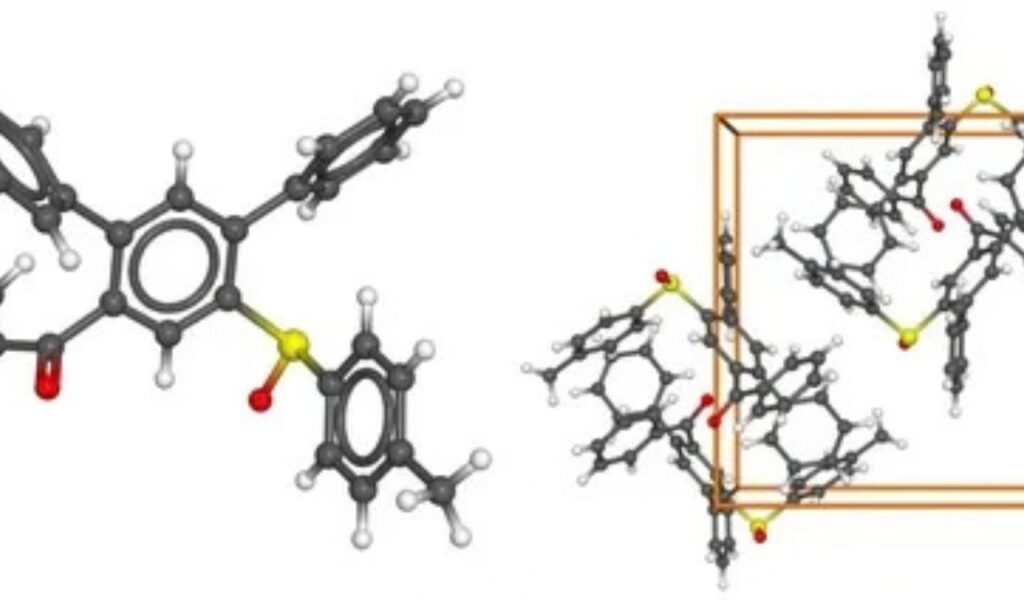
Two polycarboxylate ether (PCE) superplasticizers can look identical on a data sheet, with the same solid content, similar appearance, and nearly the same pH, yet behave very differently in concrete. One may deliver fast flow and early strength, while another maintains slump for two hours. A third may suddenly lose efficiency when the sand source […]
How PCE Superplasticizers Disperse Cement: Electrostatic Repulsion vs Steric Hindrance
Modern high-performance concrete admixtures depend on getting cement particles to move apart and stay apart. Without that, a low water-to-cement ratio produces a stiff mix that is hard to pump, place and finish. Polycarboxylate ether (PCE) superplasticizers solve this better than older chemistries, and the reason comes down to two physical mechanisms. Understanding electrostatic repulsion […]
Why Are Chemical Admixtures Used in Concrete? 7 Problems They Solve
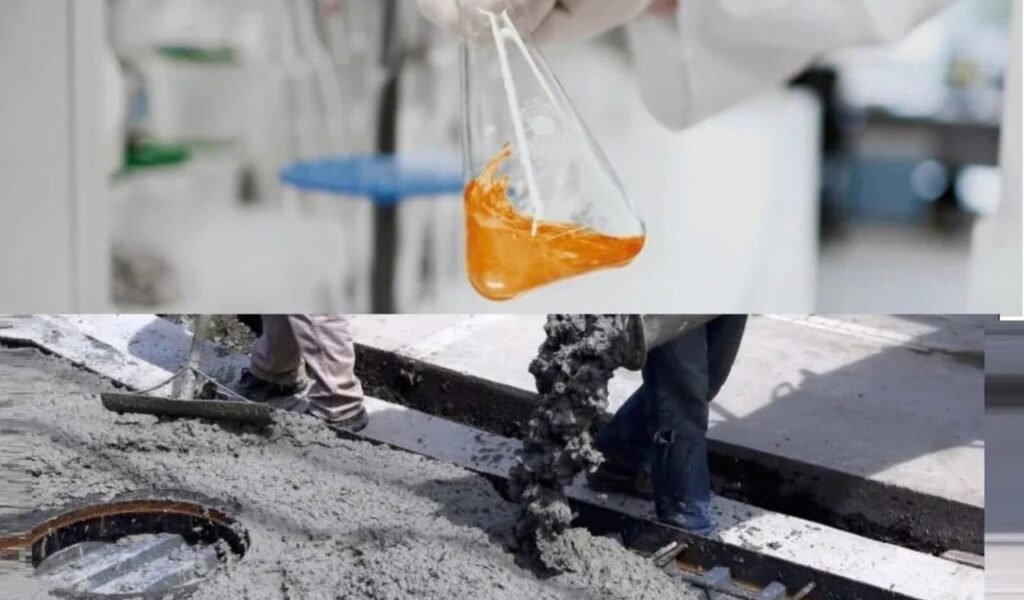
Chemical admixtures are used in concrete because cement, water, sand, and aggregate alone cannot satisfy every demand of a modern project. The mix has to be pumpable at the plant, placeable around dense rebar, and finishable before the sun stiffens the surface. Afterward it must reach its strength on schedule, resist water and chlorides, and […]
Nano Silica Admixtures and Concrete Strength: How They Work, Dosage and Results
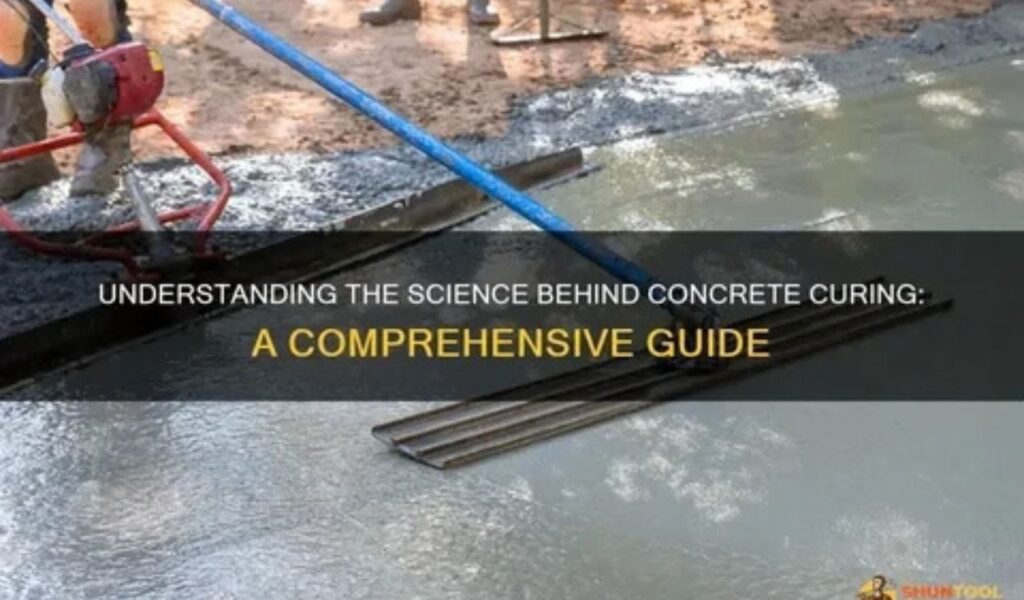
Compressive strength has long been the headline property of concrete, but adding more cement to reach higher strength raises cost, heat of hydration, and carbon footprint. Nano silica offers another route. By working at the scale of the cement paste’s finest pores, it improves the microstructure, boosting strength and durability at low dosages. As one […]
Applications of Waterproof Concrete Additive: Types, Uses and Best Practices
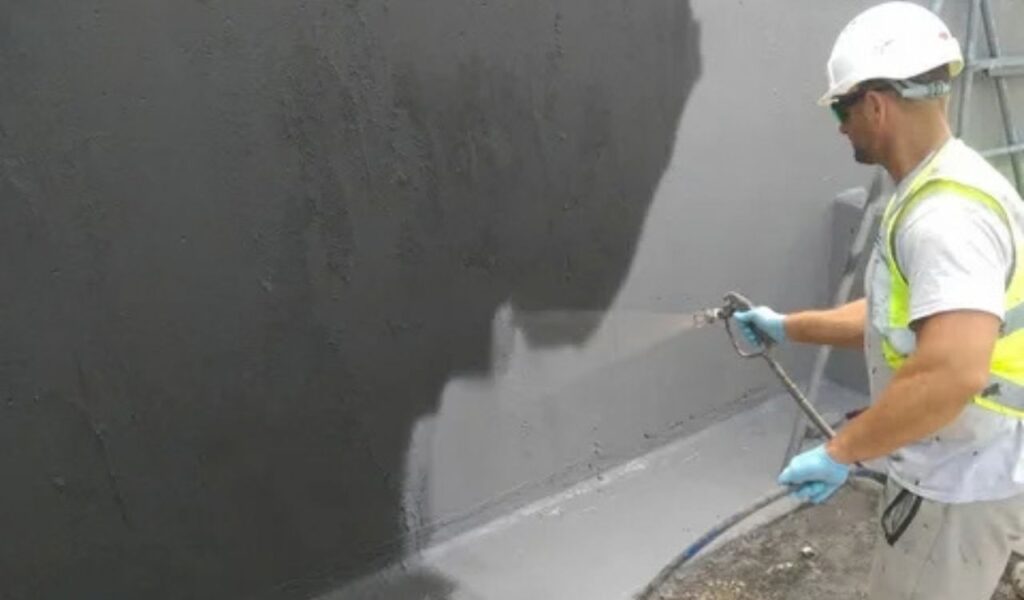
Concrete looks solid, but it is porous. Water moves through its capillary pores under pressure, by suction, or as vapor, and it carries chlorides, sulfates, and carbon dioxide with it. That is why basements seep, tanks leak at joints, and rebar corrodes long before the structure reaches its design life. A waterproof concrete additive tackles […]
Mid Range Water Reducer: Benefits, Uses, Dosage and Selection Guide

A mid range water reducer is a concrete admixture designed to provide more water reduction and plasticizing action than a conventional water reducer while generally offering more controlled workability than a high-range water reducer at typical application dosages. It is used when concrete needs improved flow, placement, finishing, or strength without necessarily requiring the very […]
Benefits of High Range Water Reducers, Their Uses, Dosage, and Selection
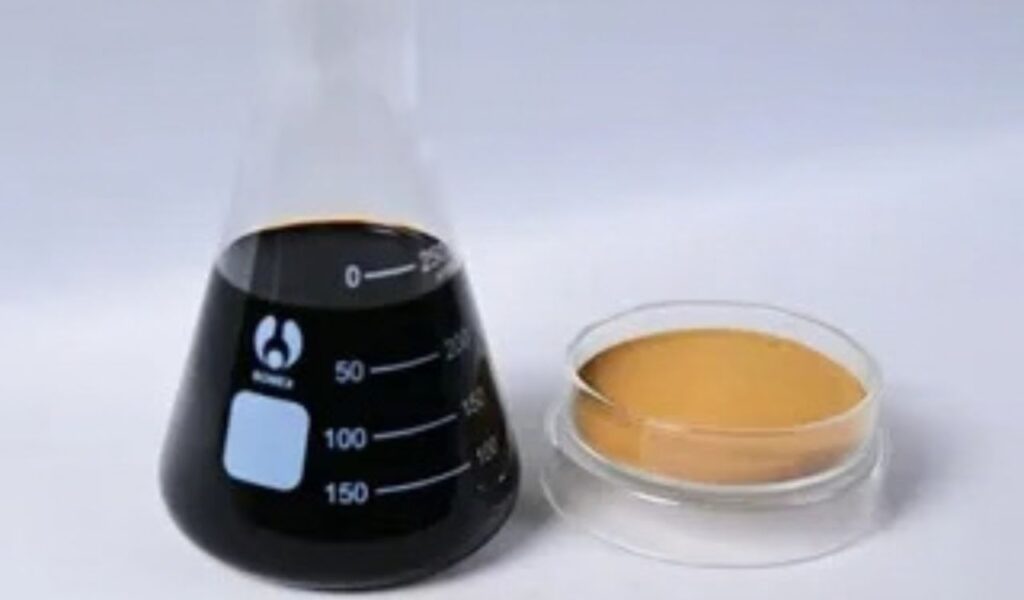
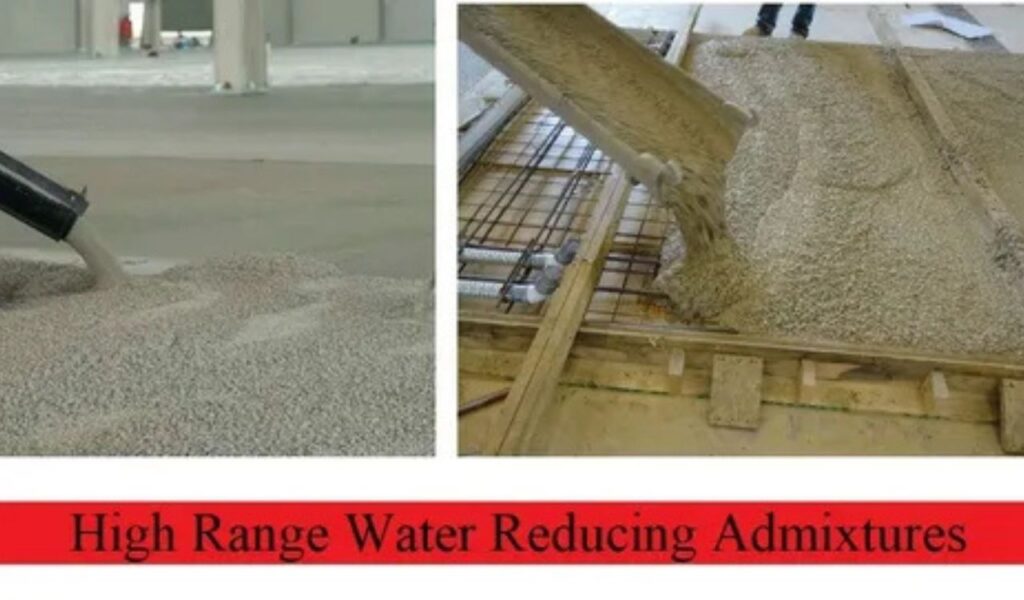
A high range water reducer is a concrete admixture that produces highly workable concrete while significantly reducing the mixing water required for a specified consistency. These admixtures are commonly known as superplasticizers and are widely used in high-performance, high-strength, ready-mix, precast, prestressed, and flowable concrete. The main function of a high-range water-reducing admixture is to […]
How Water Reducing Agents Improve the Impermeability of Concrete
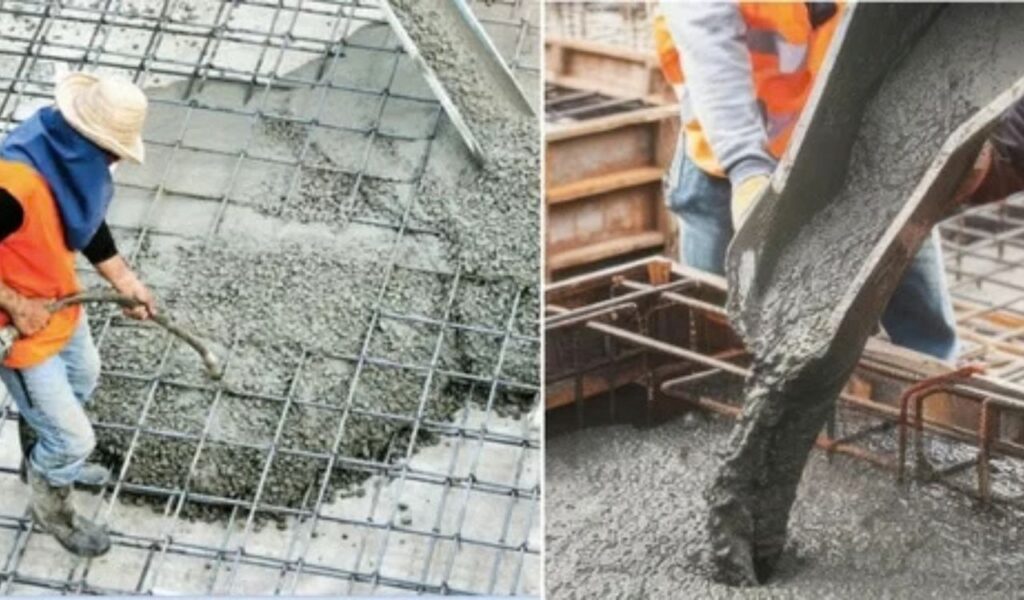
Permeability, not strength, is often the property that determines how long a concrete structure actually lasts in service. Water and dissolved chlorides move through concrete via its capillary pore network, and once they reach embedded steel, corrosion begins regardless of how high the compressive strength rating is on paper. Water reducing agents are usually discussed […]
Shrinkage Reducing Admixture for Concrete: How It Works & Why It Matters
Concrete naturally shrinks as it dries, and when that shrinkage is restrained, it can lead to cracking in slabs, pavements, walls, and other structural elements. Reinforcement, proper curing, and joint design can help control these cracks, but they do not directly reduce the shrinkage that causes them. This is where shrinkage-reducing admixtures become important. As […]