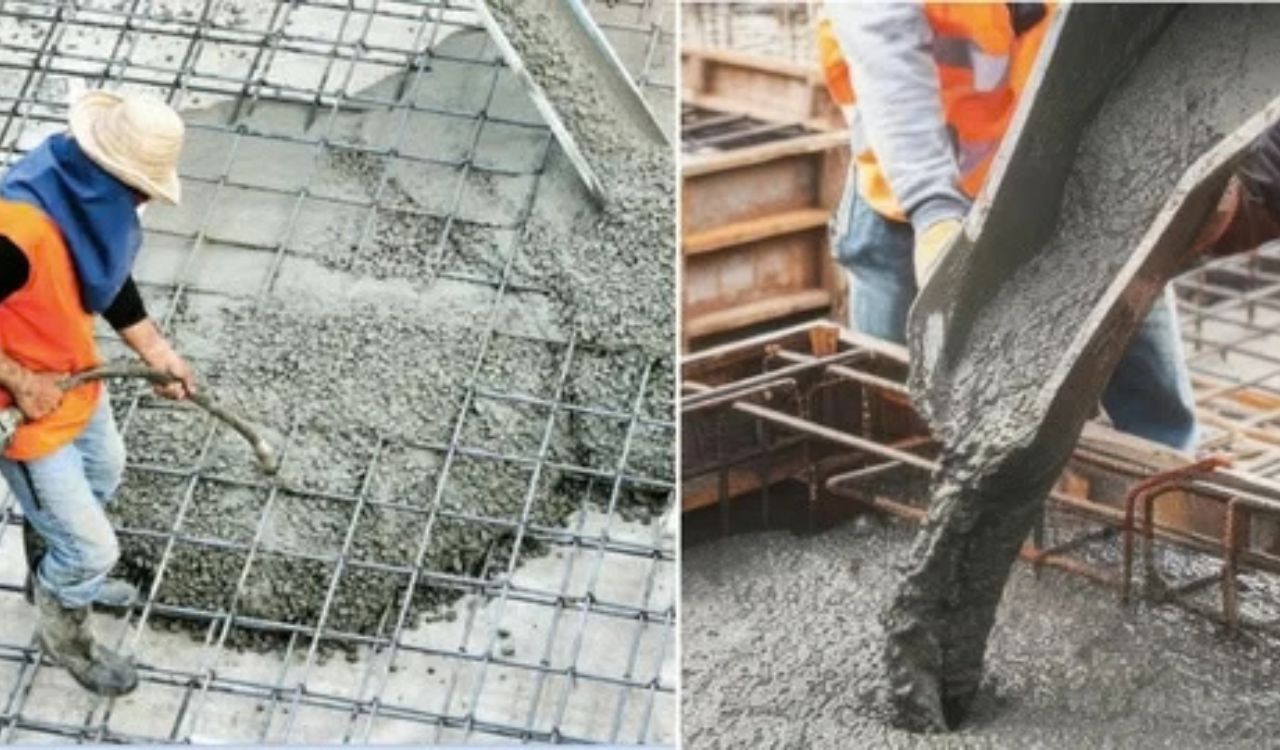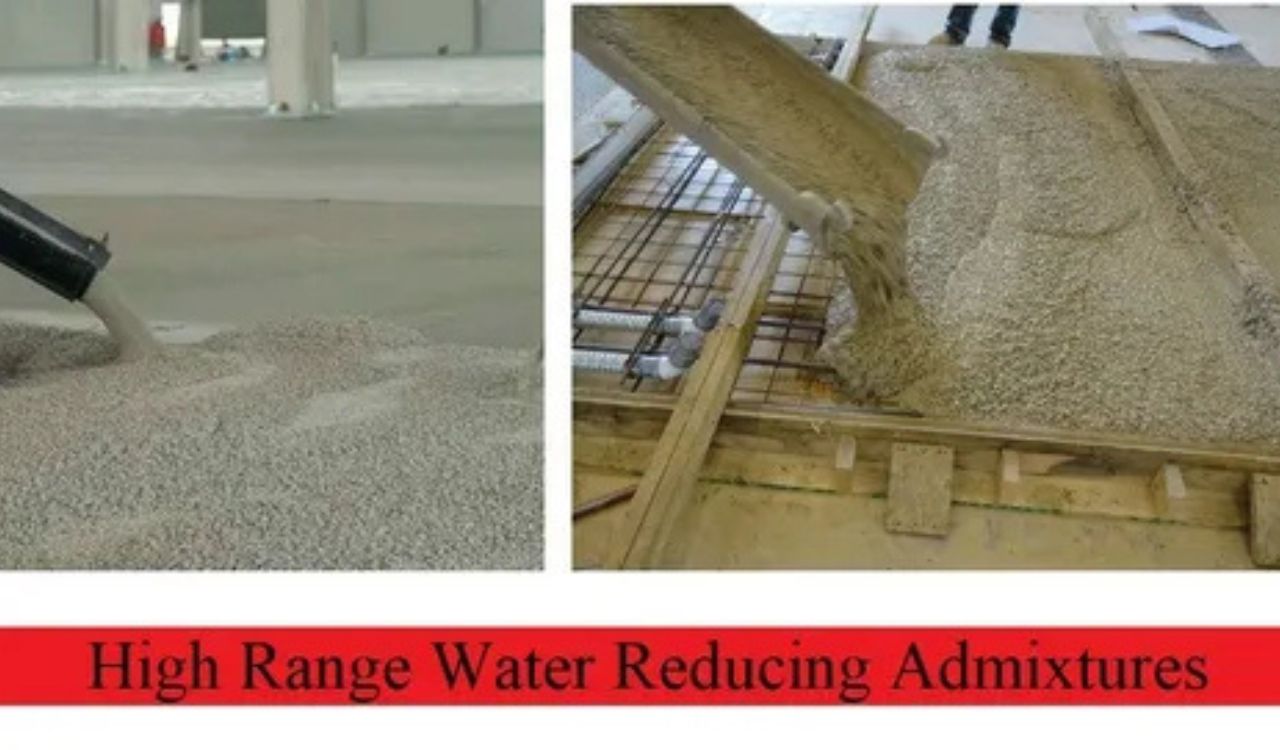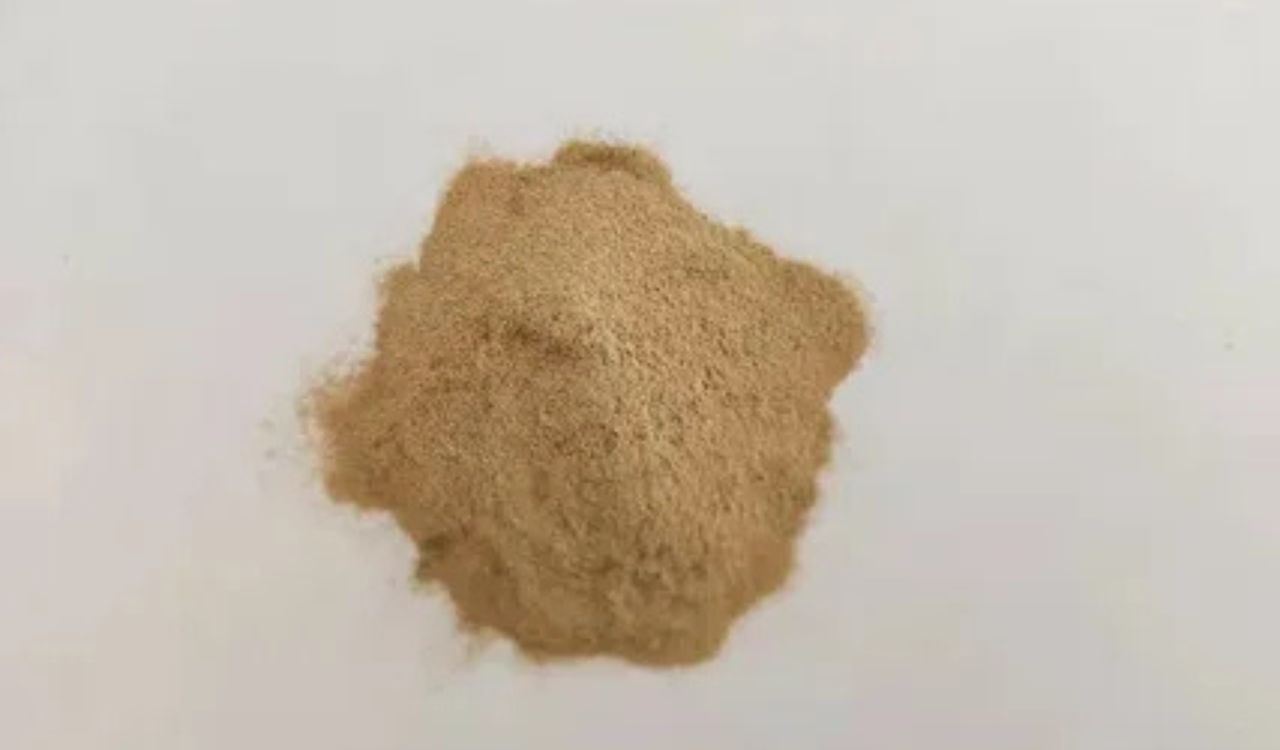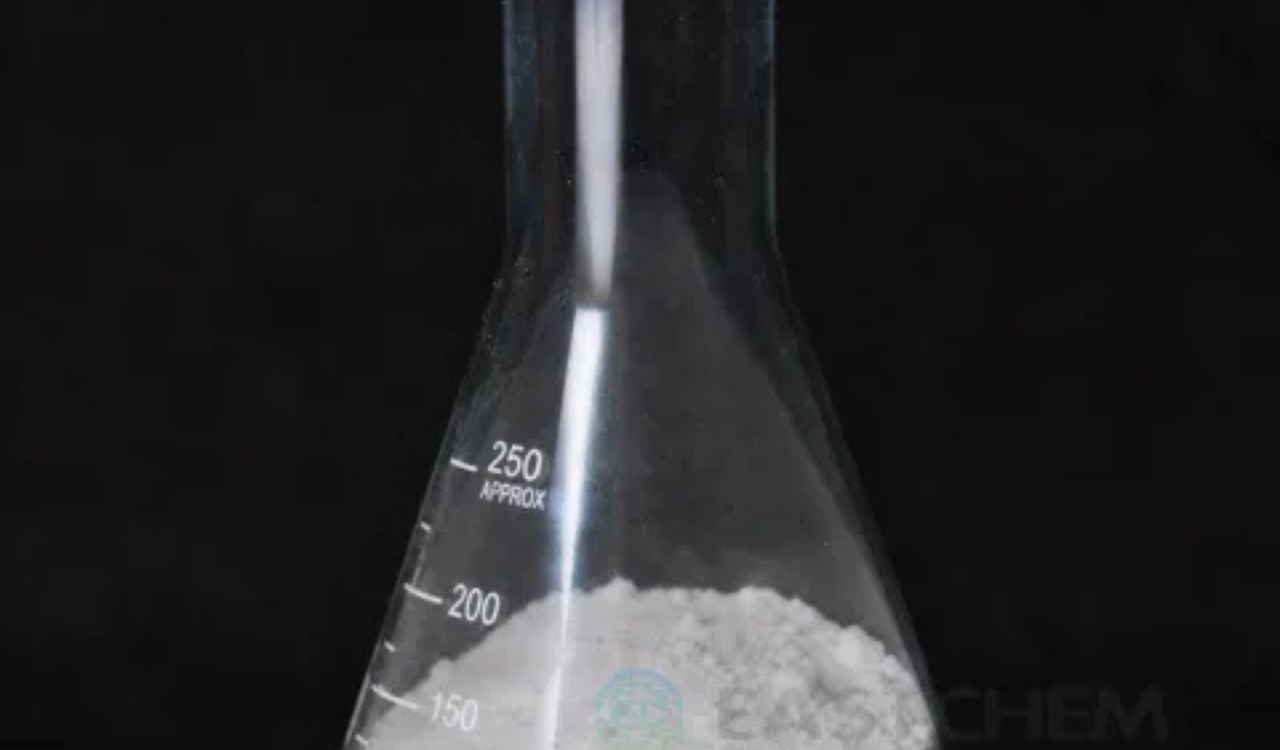
A high range water reducer is a concrete admixture used to significantly improve the workability of a concrete mix while reducing the amount of mixing water required. It is commonly known as a superplasticizer and is especially useful when concrete needs to achieve high flow, improved strength, or better placement without increasing the water-cement ratio.
Unlike conventional water-reducing admixtures, high range water reducers can provide a much greater reduction in mixing water while maintaining the desired consistency. This makes them useful for high-performance concrete, self-consolidating concrete, pumped concrete, precast applications, and other projects where fresh-concrete flow and hardened properties need to be carefully controlled.
How Does a High Range Water Reducer Work?
Cement particles tend to attract and form clusters when mixed with water. These clusters can trap water within the cement paste and reduce the amount of water available for flow.
A high range water reducer disperses cement particles through chemical interactions at their surfaces. This dispersion reduces particle flocculation, allowing the available water to work more efficiently within the mix.
The result can be:
- Higher concrete flow at a similar water content
- Lower water demand at a target slump
- Improved cement-particle dispersion
- Better pumpability and placement
- Potentially higher compressive strength when water content is reduced
The exact mechanism depends on the admixture chemistry. Polycarboxylate ether (PCE) technology, for example, uses polymer structures designed to provide strong dispersion and adjustable workability characteristics.
High Range Water Reducer vs. Conventional Water Reducer
Both products are designed to modify concrete workability and water demand, but their performance ranges can differ.
| Feature | Conventional Water Reducer | High Range Water Reducer |
| Main purpose | Reduce water or improve workability | Greater water reduction or high flow |
| Dispersion | Moderate to high | High |
| Typical application | General concrete | High-performance and demanding mixes |
| Flow improvement | Moderate | Significant |
| Pumpability | Can improve | Often useful for highly workable mixes |
| Mix sensitivity | Depends on materials | Can be sensitive to cement and admixture compatibility |
The appropriate product depends on the concrete design, required slump, cementitious materials, placement method, and project specifications.
Benefits of High Range Water Reducers
Improved Workability
A high range water reducer can produce a highly workable concrete mix without simply adding extra water. This is particularly valuable when concrete must flow around reinforcement or into complex forms.
Reduced Water-Cement Ratio
Reducing water while maintaining workability can allow engineers to design concrete with a lower water-cement ratio. When the mix is properly proportioned, this can contribute to higher strength and lower permeability.
Better Placement
Highly workable concrete can be easier to pump, place, and consolidate, particularly in heavily reinforced or difficult-to-access sections.
Support for High-Performance Concrete
High range water reducers are widely associated with high-performance concrete because they allow engineers to balance workability with strength and durability requirements.
Potential Material Efficiency
When the required performance can be achieved with an optimized cementitious system and lower water demand, the admixture can contribute to more efficient mix design.
Where Are High Range Water Reducers Used?
These admixtures can be considered for a range of concrete applications, including:
- High-performance concrete
- Self-consolidating concrete
- High-strength concrete
- Pumped concrete
- Precast concrete
- Heavily reinforced structures
- High-rise construction
- Bridges and infrastructure
- Long-distance concrete pumping
- Concrete requiring extended workability
The actual suitability should always be established through trial mixes and project-specific testing.
Factors Affecting Performance
The performance of a high range water reducer is influenced by more than its dosage. Cement chemistry, supplementary cementitious materials, aggregate characteristics, water quality, temperature, mixing procedure, and other admixtures can all affect the final result.
Important considerations include:
- Cement type and composition
- Water-cementitious materials ratio
- Cementitious material content
- Aggregate grading and moisture
- Mixing time and sequence
- Concrete temperature
- Admixture dosage
- Required slump or flow
- Compatibility with other admixtures
- Desired setting and slump-retention characteristics
For this reason, the dosage should not be selected simply from a general rule. Laboratory or field trials are normally used to establish the appropriate dosage for a specific concrete mixture.
High Range Water Reducer and Concrete Strength
A high range water reducer does not automatically make concrete stronger. Its main function is to modify workability and water demand.
However, if it allows the required workability to be achieved with less mixing water, the concrete can be designed with a lower water-cementitious materials ratio. With suitable materials, proportioning, curing, and placement, this can support improved compressive strength and reduced permeability.
Good curing remains essential because admixture selection cannot compensate for poor concrete production or curing practices.
Best Practices for Using High Range Water Reducers
For consistent performance:
- Determine the required slump or flow before selecting the dosage.
- Evaluate cement and admixture compatibility.
- Account for aggregate moisture and absorption.
- Use controlled batching procedures.
- Follow the manufacturer’s recommended dosage range.
- Conduct trial batches before large-scale production.
- Monitor slump or flow retention when transport time is significant.
- Avoid adding uncontrolled water to compensate for workability changes.
- Evaluate interaction with other chemical admixtures.
- Monitor concrete temperature and placement conditions.
Conclusion
A high range water reducer is an important tool for controlling concrete workability and water demand. By dispersing cement particles more effectively, it can help produce flowing concrete without relying on excessive mixing water. This makes the technology useful in high-performance, high-strength, self-consolidating, pumped, and other demanding concrete applications.
Its performance ultimately depends on the complete mix design. Cement chemistry, aggregate properties, water content, dosage, mixing sequence, temperature, curing, and compatibility with other admixtures should all be considered when selecting and using a high range water reducer.
Frequently Asked Questions
What is a high range water reducer?
A high range water reducer is a concrete admixture that significantly reduces the amount of mixing water needed to achieve a desired level of workability. It is commonly known as a superplasticizer and is used in high-performance and other demanding concrete applications.
What is the main purpose of a high range water reducer?
Its main purpose is to improve concrete workability or reduce water demand while maintaining the required consistency. This can help engineers design mixes with a lower water-cementitious materials ratio.
Is a high range water reducer the same as a superplasticizer?
Yes. The term high range water reducer is commonly used for admixtures classified as superplasticizers because they can provide substantially greater water reduction or flow improvement than conventional water reducers.
Can a high range water reducer increase concrete strength?
It can contribute to higher strength when its water-reducing effect is used to lower the water-cementitious materials ratio while maintaining suitable workability. Strength also depends on cementitious materials, aggregate quality, curing, compaction, and overall mix design.
Where are high range water reducers used?
They are commonly used in high-strength concrete, high-performance concrete, self-consolidating concrete, pumped concrete, precast concrete, heavily reinforced structures, bridges, and other applications requiring high workability or controlled water content.