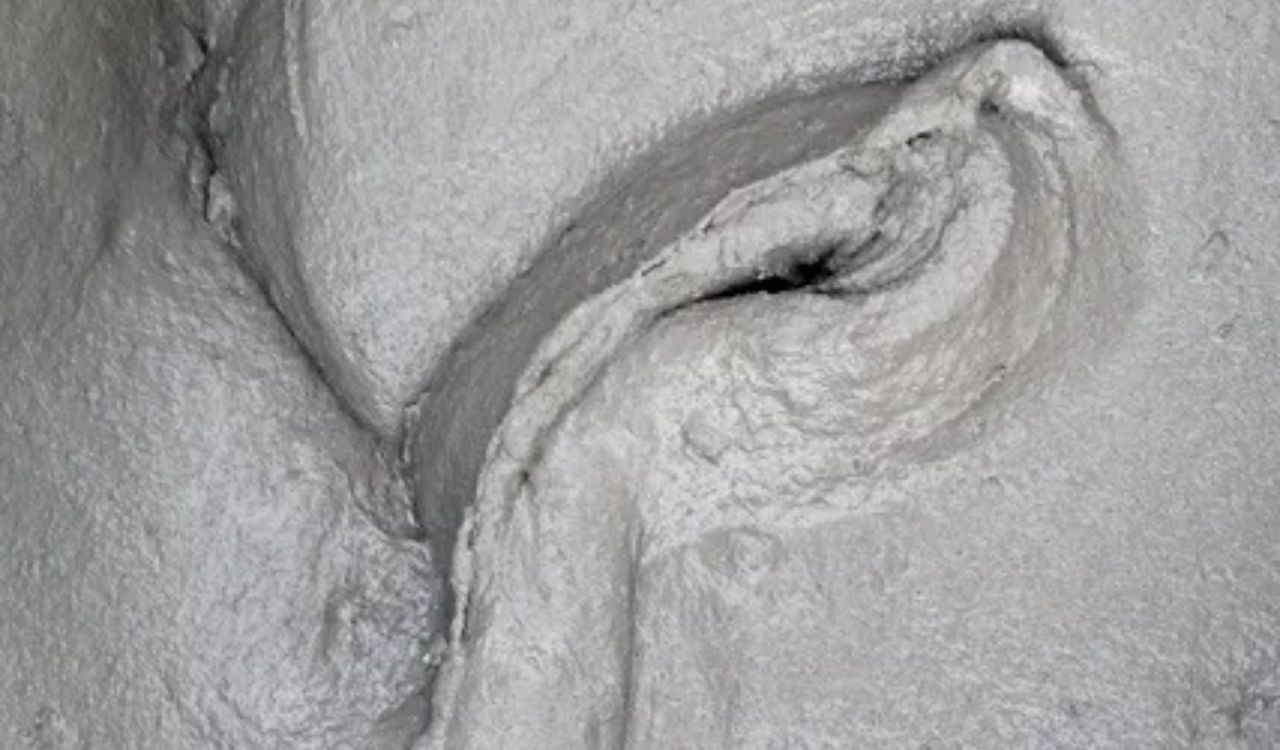
Concrete can crack for many reasons, including drying shrinkage, plastic shrinkage, thermal movement, excess water, settlement, poor curing, and structural restraint. While concrete additives cannot eliminate every type of crack, the right admixture can help control specific properties of a concrete mixture and reduce conditions that contribute to cracking.
The selection of concrete additives should therefore be based on the cause of cracking, the required concrete performance, environmental exposure, and construction conditions. Water reducers, shrinkage-reducing admixtures, waterproofing admixtures, air-entraining agents, and other specialty products each address different aspects of concrete behavior.
Why Does Concrete Crack?
Concrete develops internal stresses as it sets, hardens, loses moisture, changes temperature, and responds to external loads. When these stresses exceed the concrete’s ability to accommodate movement, cracks can form.
Common causes include:
- Plastic shrinkage caused by rapid moisture loss from fresh concrete
- Drying shrinkage as hardened concrete loses moisture
- Thermal stresses caused by temperature changes
- Settlement around reinforcement
- Restrained movement
- Excessive mixing water
- Poor compaction
- Inadequate curing
- Freeze-thaw exposure
- Structural loading or movement
Because these mechanisms are different, there is no single additive that is suitable for every cracking problem.
What Concrete Additives Help Prevent Cracking?
Several types of admixtures can contribute to crack control by modifying fresh or hardened concrete properties.
| Concrete additive | Main function | How it can support crack control |
| Water-reducing admixture | Reduces water demand | Helps maintain workability with controlled water content |
| High-range water reducer | Provides high water reduction and flow | Supports lower water-cement ratios and improved workability |
| Shrinkage-reducing admixture | Reduces drying shrinkage | Helps limit dimensional changes |
| Waterproofing admixture | Reduces water penetration | Helps protect concrete from moisture-related deterioration |
| Air-entraining admixture | Creates controlled microscopic air voids | Improves resistance to freeze-thaw damage |
| Set accelerator | Speeds setting and early strength development | Useful for selected cold-weather and rapid-repair applications |
| Set retarder | Delays setting | Helps maintain workability in hot weather and long placements |
The correct choice depends on the specific cracking mechanism and project requirements.
Water-Reducing Admixtures
Water-reducing admixtures, commonly known as plasticizers, improve concrete workability while allowing the mixture to use less water.
Reducing unnecessary water is important because the water-cement ratio strongly influences the properties of hardened concrete. A properly designed mixture with controlled water content can have lower permeability and improved strength and durability.
A concrete water reducing agent can therefore support crack-control strategies by helping producers achieve the required consistency without simply adding extra water.
However, a water reducer does not directly prevent every type of cracking. Curing, reinforcement, joints, aggregate selection, and placement practices remain important.
High-Range Water Reducers and Superplasticizers
High-range water reducers, often called superplasticizers, provide greater water reduction and workability improvement than conventional water reducers.
Polycarboxylate ether (PCE) technology is widely used in modern concrete because it can provide high flow and water reduction at relatively low dosages.
These admixtures can be useful when concrete requires:
- High workability
- Lower water-cement ratios
- Improved pumpability
- High early or ultimate strength
- Dense and durable concrete
Proper dosage is essential. Excessive use can affect setting time, air content, slump retention, and finishing behavior.
Shrinkage-Reducing Admixtures
Drying shrinkage is one of the important causes of cracking in concrete. As water leaves the hardened cement paste, the concrete can undergo dimensional contraction. If this movement is restrained, tensile stresses can develop.
Shrinkage-reducing admixtures are designed to reduce the magnitude of drying shrinkage by modifying moisture-related behavior within the cementitious matrix.
They may be considered for applications such as:
- Large floor slabs
- Industrial floors
- Parking structures
- Bridge components
- Precast concrete
- Restrained concrete elements
Their effectiveness depends on mixture proportions, curing, environmental conditions, restraint, and dosage.
Waterproofing Admixtures
A waterproofing admixture is used to reduce water penetration through concrete. Depending on the technology, it may work by refining pore structure, blocking capillary pathways, promoting crystalline reactions, or introducing water-repellent properties.
A waterproofing admixture for concrete can be useful for structures exposed to moisture or groundwater, including:
- Foundations
- Basements
- Retaining walls
- Water tanks
- Tunnels
- Swimming pools
- Underground structures
- Water-retaining structures
Waterproofing admixtures primarily address water penetration and durability. They should not be treated as a direct solution for structural cracks caused by movement, loading, or inadequate reinforcement.
Air-Entraining Admixtures
Air-entraining admixtures create a controlled network of microscopic air bubbles within concrete.
This technology is particularly important for concrete exposed to repeated freezing and thawing. The entrained air provides additional space for water to expand when it freezes, reducing internal pressure within the cementitious matrix.
Air content needs to be carefully controlled because excessive entrained air can reduce compressive strength and affect other concrete properties.
Set Accelerating Admixtures
Accelerating admixtures reduce setting time and can increase the rate of early strength development under suitable conditions.
They may be useful for:
- Cold-weather construction
- Concrete repairs
- Precast production
- Projects requiring rapid turnaround
Because accelerators can influence hydration and early-age temperature development, their use should be evaluated carefully where early-age cracking is a concern.
Set Retarding Admixtures
Retarding admixtures delay the setting of concrete. They can be useful when concrete needs to remain workable for longer periods, particularly during hot weather or long transportation times.
By helping maintain workability, retarders can support proper placement and consolidation. However, they also affect the timing of finishing and curing, so site conditions and dosage must be considered.
How Concrete Additives Work Together
Concrete mixtures often contain more than one admixture. For example, a mixture may use a high-range water reducer for workability and a waterproofing admixture to reduce water penetration.
Different products can influence one another, so compatibility testing is important.
Engineers and concrete producers should evaluate:
- Slump and slump retention
- Setting time
- Air content
- Compressive strength
- Water demand
- Shrinkage
- Permeability
- Temperature development
- Surface finishing characteristics
Laboratory trial batches can help identify interactions before production begins.
Applications of Concrete Additives for Crack Control
Structural Concrete
Structural concrete requires a balance of strength, workability, durability, and dimensional stability. Water reducers and superplasticizers can help achieve required workability without unnecessarily increasing water content.
Industrial Floors
Industrial floors can experience drying shrinkage, restraint, temperature changes, and heavy loading. Shrinkage-control strategies should be combined with appropriate joints, reinforcement, curing, and mixture design.
Foundations and Underground Structures
Foundations and underground structures may be exposed to groundwater and soil moisture. Waterproofing admixtures can be incorporated into a broader waterproofing system to reduce water penetration.
Precast Concrete
Precast manufacturers often require predictable setting, high workability, early strength, and consistent production cycles. Water reducers, superplasticizers, accelerators, and other admixtures can be selected according to production requirements.
Water-Retaining Structures
Reservoirs, tanks, treatment facilities, and similar structures require careful control of permeability and cracking. Waterproofing technology can form part of an integrated concrete durability strategy.
Important Factors When Choosing an Admixture
Choosing a concrete additive should begin with identifying the actual cause of cracking rather than selecting a product based only on its general category.
Concrete Mix Design
Consider the cement type, water-cement ratio, aggregate grading, supplementary cementitious materials, and total cementitious content.
Environmental Conditions
Temperature, humidity, wind, freeze-thaw exposure, groundwater, and chemical exposure can all influence concrete performance.
Admixture Compatibility
The selected admixture should be compatible with the cement, supplementary cementitious materials, aggregates, and other chemical admixtures used in the mixture.
Dosage
Admixture dosage should follow technical recommendations and be verified through testing. Increasing dosage does not automatically improve performance.
Curing
Adequate curing remains essential. Even a well-designed admixture system cannot compensate for severe moisture loss or inadequate curing.
Best Practices for Reducing Concrete Cracking
Concrete additives are most effective when combined with appropriate construction practices.
Key measures include:
- Control the water-cement ratio.
- Avoid adding unnecessary water on site.
- Use properly graded and suitable aggregates.
- Provide appropriate reinforcement.
- Design and install joints correctly.
- Control evaporation during hot or windy conditions.
- Begin curing at the appropriate time.
- Maintain suitable curing conditions.
- Use trial batches before large-scale production.
- Monitor admixture dosage and concrete consistency.
- Evaluate compatibility between multiple admixtures.
These measures address different contributors to cracking and should be considered as part of one concrete performance strategy.
Limitations of Concrete Additives
Concrete additives modify specific properties; they do not replace fundamental concrete engineering.
For example, a waterproofing admixture can help reduce water penetration but cannot repair a major structural crack. A water reducer can help control water demand but cannot compensate for poor curing. A shrinkage-reducing admixture can reduce drying shrinkage but cannot eliminate movement caused by structural loading or thermal expansion.
For this reason, crack prevention should consider mixture design, reinforcement, joints, placement, finishing, curing, and environmental exposure alongside admixture selection.
The Role of Concrete Additives in Durable Construction
The broader use of admixtures for concrete allows producers to design mixtures for specific performance requirements. Water reducers, superplasticizers, waterproofing technologies, shrinkage-control products, air-entraining agents, accelerators, and retarders each address different challenges.
For construction chemical manufacturers and industrial buyers, product selection should focus on measurable performance rather than simply choosing the highest dosage or the most general-purpose product.
Luke Chemicals provides concrete admixture technologies designed for specific construction requirements, making proper product selection, compatibility testing, dosage control, and application conditions important parts of successful concrete production.
Conclusion
The best concrete additive for crack prevention depends on why the concrete is cracking. Water-reducing admixtures can help control water demand, shrinkage-reducing admixtures can address drying shrinkage, and waterproofing admixtures can reduce water penetration. Air-entraining agents, accelerators, retarders, and high-range water reducers address other specific performance requirements.
No single admixture can eliminate every type of concrete cracking. The most reliable approach combines the appropriate additive with a controlled mix design, suitable reinforcement, properly designed joints, careful placement, and effective curing.
For engineers, contractors, manufacturers, and industrial buyers, understanding the mechanism behind cracking is the first step toward selecting the right concrete additive and achieving durable concrete performance.
Frequently Asked Questions
What concrete additives help prevent cracking?
Several concrete additives can help address factors associated with cracking, including water-reducing admixtures, shrinkage-reducing admixtures, waterproofing admixtures, air-entraining admixtures, and high-range water reducers. The appropriate additive depends on the cause of cracking and the required concrete performance.
Can a water reducer prevent concrete cracking?
A water reducer can help reduce the amount of mixing water needed to achieve a required level of workability. When properly incorporated into the mix design, this can support a controlled water-cement ratio and improve concrete durability. However, water reducers alone cannot prevent all types of cracking.
Does waterproofing admixture prevent cracks in concrete?
A waterproofing admixture primarily helps reduce water penetration and moisture movement through concrete. It may improve durability where water exposure is a concern, but it does not prevent structural, thermal, or shrinkage cracks by itself.
What admixture is used for shrinkage cracking?
Shrinkage-reducing admixtures are specifically designed to reduce drying shrinkage and can help limit cracking caused by restrained dimensional changes. Their performance also depends on mix design, curing, environmental conditions, reinforcement, and joint detailing.
Can superplasticizers reduce concrete cracking?
Superplasticizers, or high-range water reducers, can improve workability while allowing concrete producers to reduce water content. This can support a lower water-cement ratio and a denser concrete matrix. They do not directly eliminate cracking and should be used as part of an overall crack-control strategy.
What factors should be considered when choosing concrete additives?
Important factors include the cause of cracking, concrete mix design, cement type, water-cement ratio, aggregate properties, temperature, exposure conditions, required workability, curing conditions, admixture compatibility, and dosage. Laboratory trial batches are recommended before large-scale use.
Can concrete additives replace proper curing?
No. Concrete additives cannot replace proper curing. Adequate curing is essential for hydration, strength development, moisture retention, and durability. Admixtures work most effectively when combined with suitable mix design, placement, finishing, jointing, and curing practices.