
How to Choose Admixtures for Uniform Surface Finish and Color in Architectural Concrete

Architectural concrete is judged by eye. Specifiers and owners don’t ask for a compressive strength figure when they walk up to a facade. They ask why one panel looks darker than its neighbor, why a wall is pitted with bugholes, or why white bloom appeared after the first rain. Strength can pass every test while […]
Returned Concrete and Washout: Reduce Waste with Better Slump Control
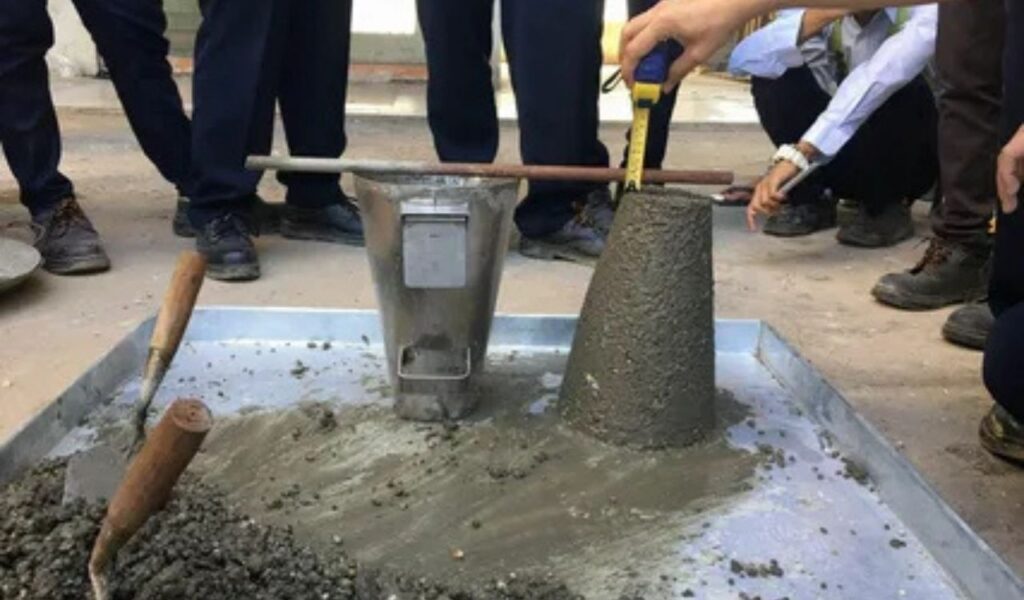
Every ready-mix producer knows the sight of a truck coming back with a load nobody wanted. The concrete is too stiff to place, the pour was delayed, or the mix lost workability somewhere between the plant and the site. Now that load has to be reused, recycled or disposed of, and the drum still has […]
How Long Can Fresh Concrete Wait? Transport Time and Discharge Limits
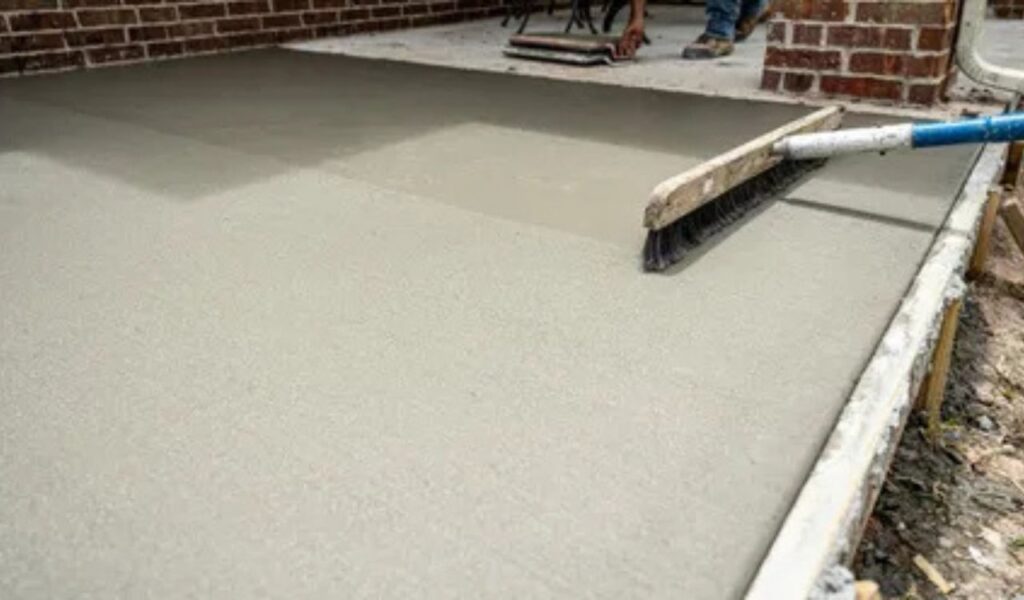
A truck full of concrete is a clock that has already started. From the moment water meets cement, hydration begins, and every minute spent in traffic, at a congested site, or waiting for a pump eats into the workable life of the mix. Understanding transport time and discharge limits is how engineers, contractors and ready-mix […]
How to Test Concrete Impermeability: Water Penetration Depth and Permeability Coefficient
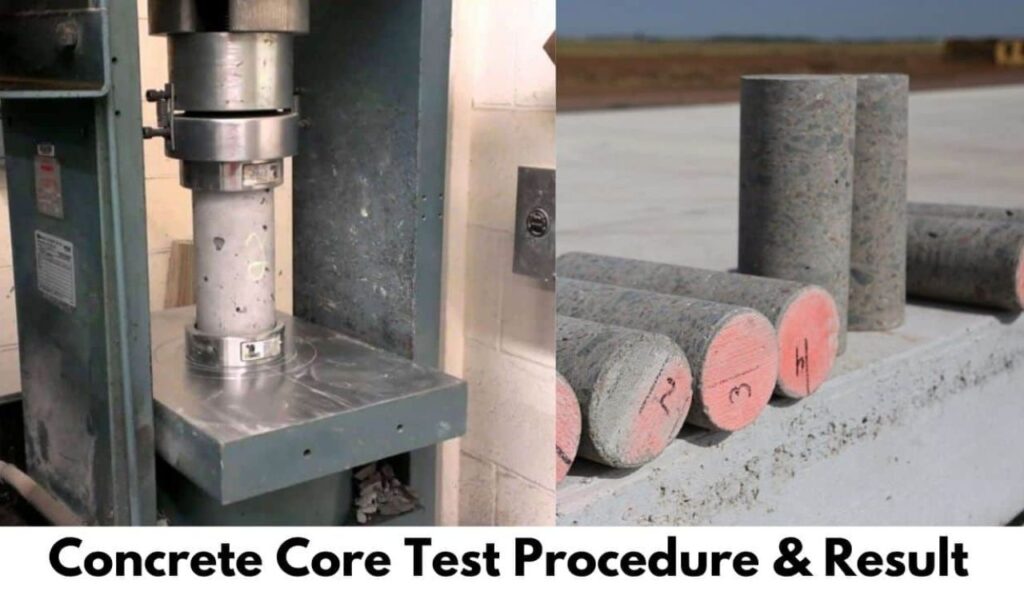
How do you test concrete impermeability? You expose a cured concrete specimen to pressurized water for a set time, then measure how far the water travels or how much passes through. The first approach gives the water penetration depth; the second gives the permeability coefficient. A smaller depth and a lower coefficient both show that […]
What Is Expansive Concrete? Early Crack Control for Basements, Pools and Water Tanks
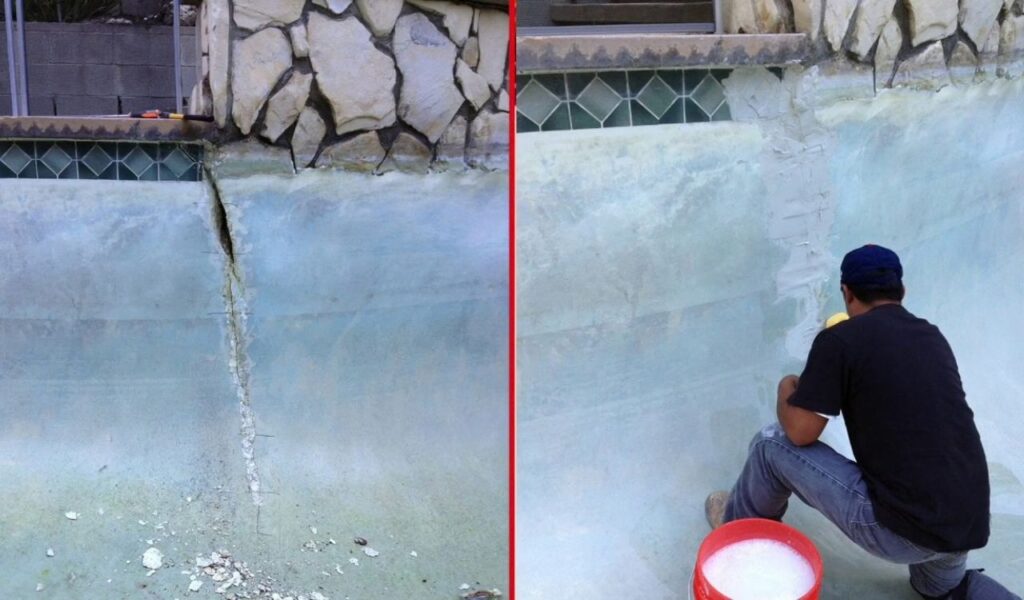
Why do basements, swimming pools and water tanks so often crack within weeks of being cast? The answer is early-age shrinkage acting on large, restrained concrete elements. As cement hydrates and moisture leaves the mix, the concrete tries to contract, but footings, rebar and adjacent pours hold it back. Tensile stress builds, and cracks open […]
Expansion Agents for Concrete: Types, Mechanism, Dosage, Curing and SRA Comparison
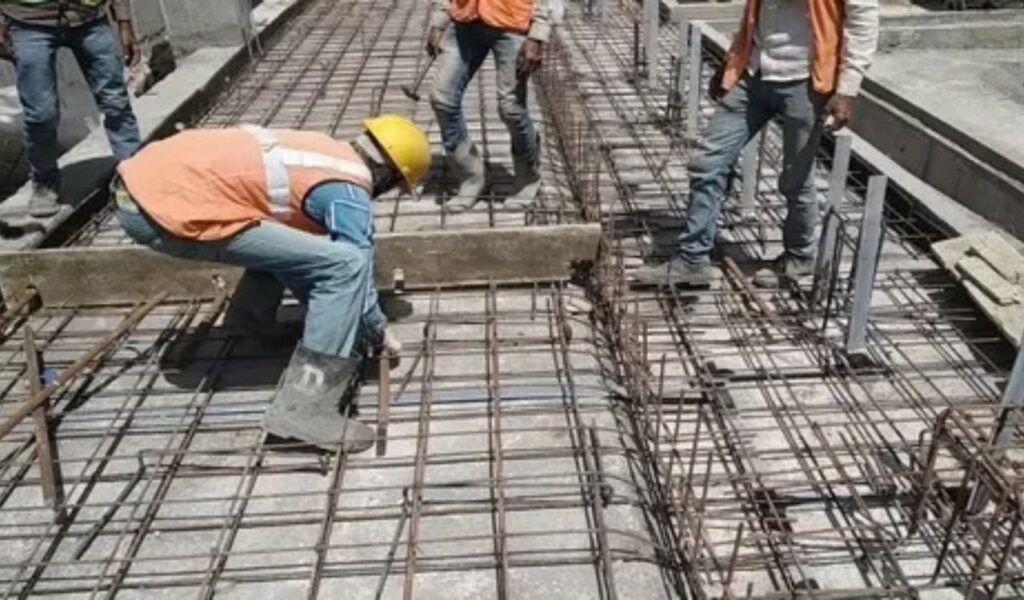
Concrete naturally changes volume as it hydrates, loses moisture, and responds to temperature and environmental conditions. Some of these volume changes are small, while others can create tensile stresses that exceed the tensile capacity of young or hardened concrete. The resulting cracks can affect durability, watertightness, appearance, and service life. Expansion agents for concrete are […]
Construction Joints: The Weak Point in Crystalline-Waterproofed Concrete
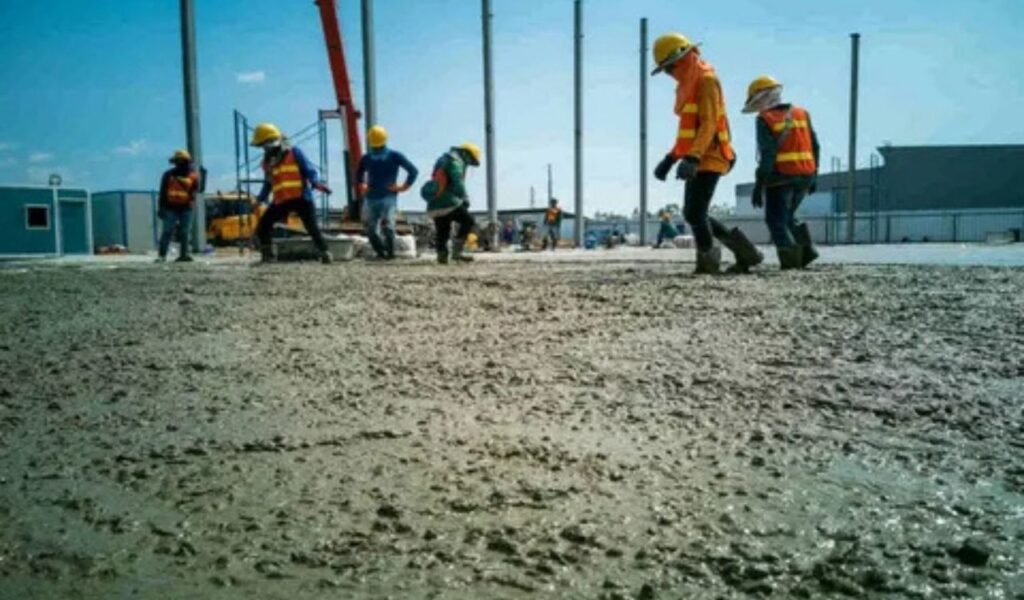
Crystalline waterproofing can significantly reduce water penetration through the concrete matrix, but waterproof concrete is not simply a matter of adding a waterproofing admixture to the mix. The locations where one concrete pour meets another require separate attention because the continuity of the concrete matrix is interrupted. This is why construction joints in concrete can […]
Admixtures for Pumped Concrete: Reducing Pressure and Blockages
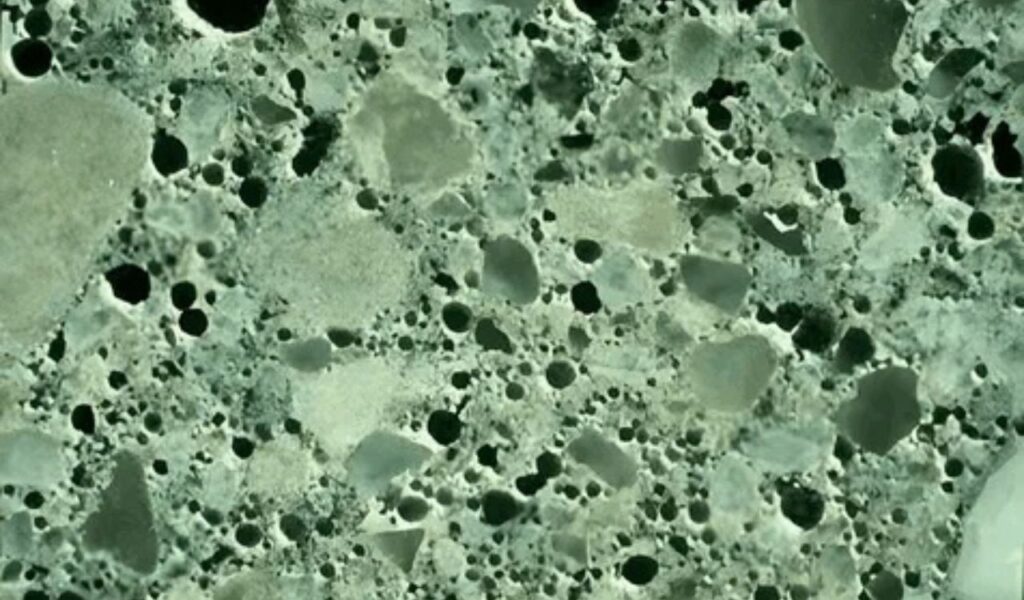
Pumping allows fresh concrete to be transported through pipelines and placed at locations that may be difficult to reach with conventional discharge methods. However, concrete must have the right combination of flowability, cohesion, stability, and rheological behavior to move through the pipeline without excessive pressure or blockage. A concrete mix can appear workable before pumping […]
Self-Compacting Concrete: Admixture Requirements and Mix Design Basics
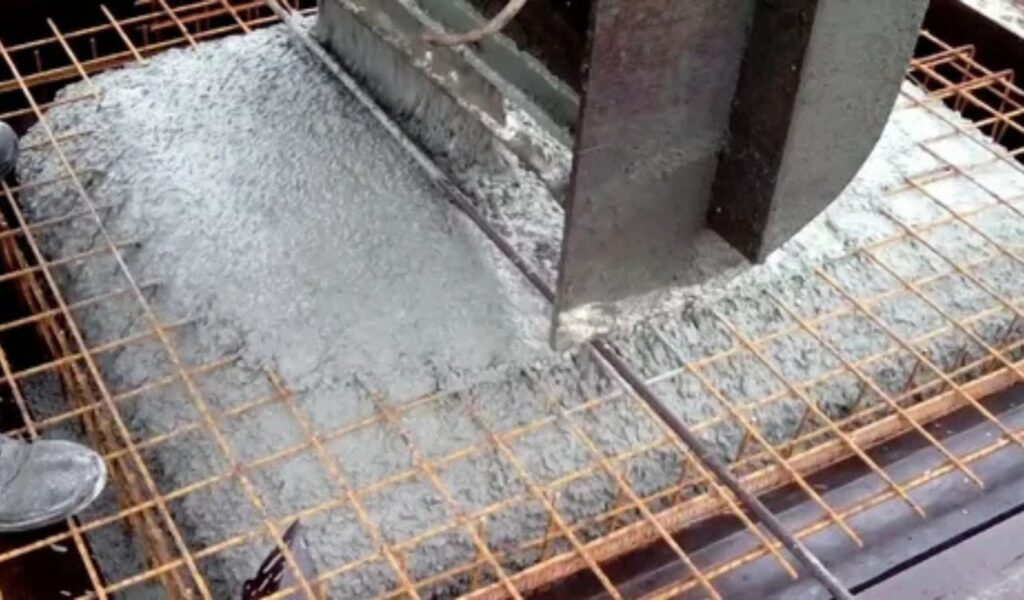
Self-compacting concrete (SCC) is designed to flow under its own weight, fill complex formwork, pass through congested reinforcement, and achieve adequate consolidation without mechanical vibration. Unlike conventional concrete, SCC must balance several fresh-state properties at the same time: filling ability, passing ability, flowability, and resistance to segregation and bleeding. This performance depends on more than […]
Calcium vs Sodium Lignosulfonate: Chemistry and Performance Differences
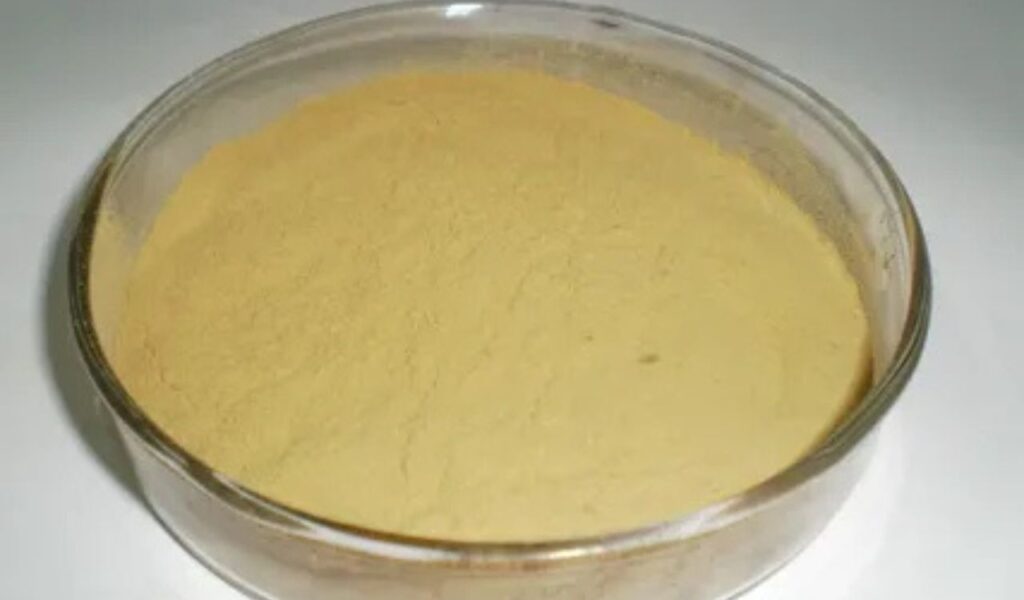
Lignosulfonates are among the oldest and most widely used water-reducing agents in concrete. They are plant-derived, low in cost, and effective as a normal-range plasticizer and set retarder. But “lignosulfonate” is not one product. The cation attached to the sulfonated lignin, usually calcium or sodium, affects solubility, alkali content, handling, and how the product behaves […]