Every ready-mix producer knows the sight of a truck coming back with a load nobody wanted. The concrete is too stiff to place, the pour was delayed, or the mix lost workability somewhere between the plant and the site. Now that load has to be reused, recycled or disposed of, and the drum still has to be washed out.
The cost goes beyond the load itself. Returned concrete and washout mean wasted cement, wasted admixtures, extra fuel and labor, and a real environmental compliance risk. The problem is even more expensive when the mix is a premium one. A load containing a waterproofing admixture for concrete, batched for a basement, tunnel or water tank, carries a higher material cost, so every rejected truck hurts more.
The good news is that most returned loads trace back to one controllable variable: slump, and how well it is held from batching to placement. This guide explains why concrete is returned, how washout works, and how better slump control, smarter concrete admixtures and tighter dosing can reduce both.
What Is Returned Concrete?
Returned concrete is fresh concrete that was batched and delivered, or partially delivered, but not placed at the job site. It comes back to the plant in the transit mixer. It typically falls into three groups:
- Rejected loads, where the concrete failed a slump, air content, temperature, or appearance check.
- Surplus loads, where the order exceeded what the pour required.
- Delayed loads, where site delays pushed discharge past acceptable time or workability limits.
ASTM C94 sets general limits for discharge, commonly 90 minutes from batching or 300 drum revolutions, whichever comes first, unless the purchaser approves otherwise and the concrete is still workable. Many plants also set stricter internal limits in hot weather.
What Is Concrete Washout?
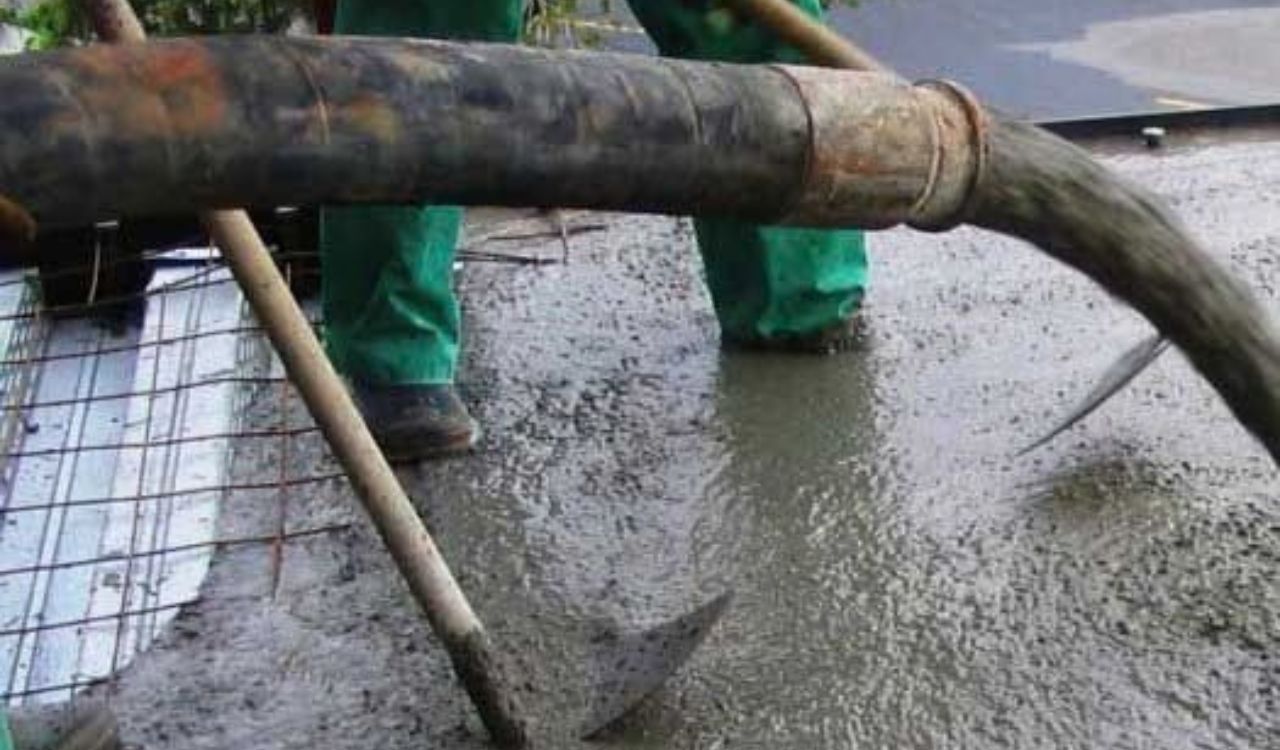
Washout is the cleaning of mixer drums, chutes, hoppers, pump lines and tools after discharge. The process creates alkaline slurry, often with a pH above 12, along with residual cement paste, aggregates, and admixture residues. Left unmanaged, this slurry can contaminate soil and surface water and cause regulatory problems.
Common washout practices include:
- Dedicated washout pits or lined basins on site
- Plant-based reclaimers that separate aggregates from slurry
- Settling ponds and slurry water recycling
- Containment systems with pH monitoring before discharge
Reclaimed slurry water can be reused as mixing water if it meets limits in standards such as ASTM C1602 or EN 1008. This usually means controlling solids content and monitoring density, because variable slurry water can affect set time and slump.
Why Concrete Gets Returned: Slump Is the Common Thread
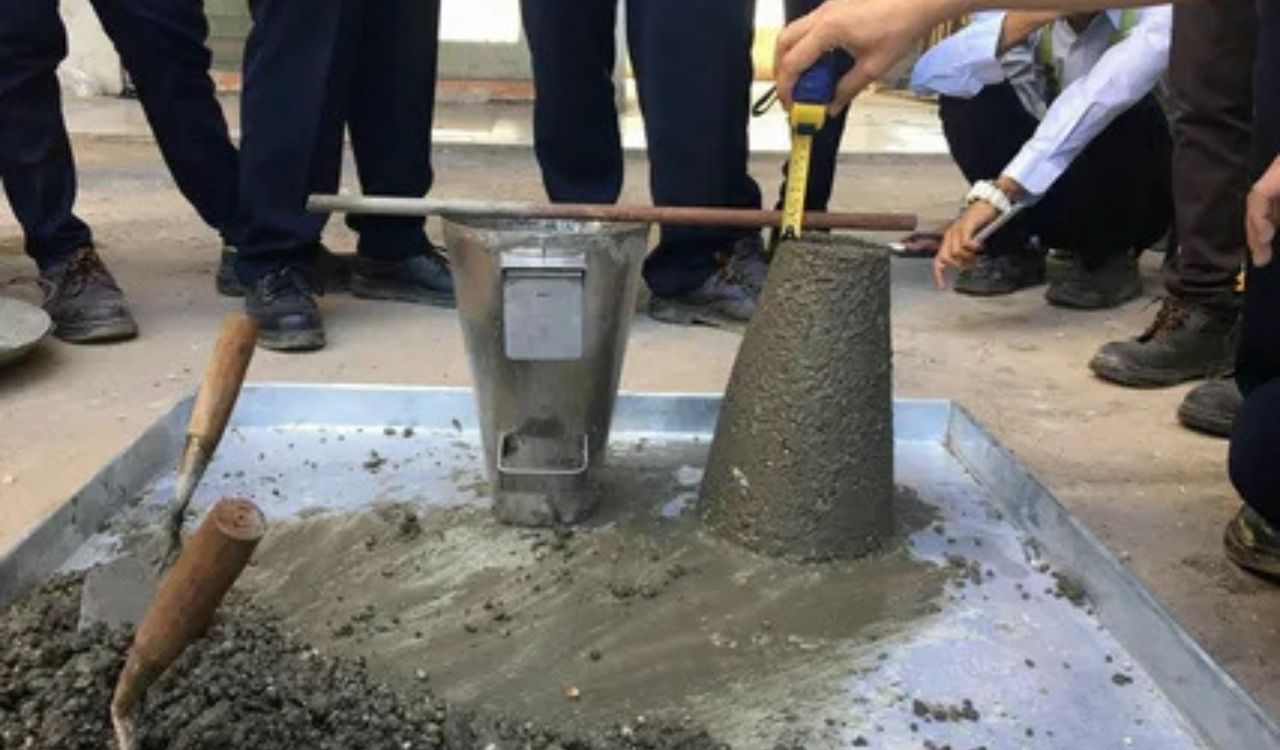
Slump, measured under ASTM C143, is the simplest indicator of consistency. Many returns are linked to one of these slump problems.
| Cause | What happens | Typical result |
| Slump loss in transit | Hydration and evaporation stiffen the mix | Load rejected or watered down |
| Hot weather | Faster hydration and moisture loss | Early stiffening |
| Site delays | Long waiting time, extra drum revolutions | Out-of-spec concrete |
| Batching variability | Moisture in aggregates not corrected | Slump too high or too low |
| Admixture dosing errors | Over- or under-dosing | Inconsistent workability or set |
| Uncontrolled water addition | Water-cementitious ratio exceeded | Strength and durability risk |
Adding water on site is the usual quick fix, and also the riskiest. ASTM C94 allows limited water addition only if the maximum water-cementitious ratio is not exceeded, followed by additional mixing. Excess water raises permeability and lowers strength, so it is a poor trade for avoiding a return.
How Better Slump Control Reduces Returned Concrete
Start with a robust mix design
A stable mix design handles real-world variation in temperature, delivery time and material moisture. Key levers include:
- A lower water-cementitious ratio supported by a water reducer
- Well-graded aggregates to reduce water demand
- Supplementary cementitious materials such as fly ash or slag, which can moderate heat and slump loss in some mixes
- Target slump set with the delivery time in mind, not just plant conditions
Use concrete admixtures that hold workability
Concrete admixtures give producers control that mix design alone cannot. For slump retention, the main options are:
- Polycarboxylate ether (PCE) superplasticizers: high-range water reducers that disperse cement particles, allowing high workability at low water content. Some PCE types are designed specifically for slump retention.
- Mid-range and normal water reducers: useful for everyday mixes where moderate water reduction is enough.
- Retarders (ASTM C494 Type B and Type D): slow early hydration and help in hot weather or long hauls.
- Hydration-control (stabilizing) admixtures: pause cement hydration in the drum, and in some systems are used to reactivate or recycle returned concrete. Their use should follow supplier guidance and local specifications.
The right choice depends on cement type, supplementary materials, temperature and haul time. Trial batches under realistic conditions are the best way to confirm slump retention before a product goes into daily production.
Keep admixture dosing accurate
Even the best admixture underperforms if dosing drifts. Overdosing a superplasticizer can cause segregation or bleeding, while underdosing leads to early stiffening. Practical controls include calibrated dispensers, regular flow-meter checks, and dosing based on batch weight and slump targets.
This is where concrete additive storage sensors earn their place. Level sensors, often ultrasonic or radar-based, track how much admixture remains in storage tanks. Used well, they:
- Prevent running out of admixture mid-production
- Flag unexpected consumption that suggests a dosing or leak problem
- Support inventory planning and delivery scheduling
- Provide data for batch records and quality audits
Sensors do not replace calibration, but they make dosing problems visible sooner. Storage conditions also matter: many admixtures are sensitive to freezing, heat and contamination, so tank cleanliness and temperature control protect product performance.
Manage the truck, not just the mix
Slump control continues after batching. Useful practices include:
- Slump testing at the plant for borderline mixes and at site before discharge
- Dispatch coordination so trucks do not queue at the site
- Moderate drum speed during transit to limit extra revolutions
- Clear policies on who may authorize water or admixture addition, and in what quantity
- Records for each load: batch time, arrival time, slump, temperature and any adjustments
Dosing admixtures at the site (re-dosing with a superplasticizer) can restore slump more safely than adding water, provided the dose is controlled and the mix is then thoroughly mixed.
Handling Returned Concrete: Options Compared
Even with good control, some loads will come back. Here are the main routes.
| Option | How it works | Best for | Key consideration |
| Reuse in another order | Re-dose and use quickly in non-critical work | Fresh, still workable loads | Needs specification approval |
| Hydration-controlling admixture | Stabilizes the load so it can be reused later | Plants with planned reuse | Follow supplier dosing and verification |
| Aggregate reclaiming | Washes out and recovers sand and stone | High-volume plants | Reclaimer investment, water management |
| Precast products | Casts blocks, barriers or bricks | Plants with available molds | Planning and labor |
| Disposal | Landfill or approved disposal | Last resort | Highest cost, regulatory exposure |
Aggregate recovered from returned concrete can be reused in new concrete under ASTM C1798, subject to limits on fines and quality checks.
Waterproofing Admixtures and Workability
Mixes that include a waterproofing admixture for concrete need slump planning too. A concrete waterproof admix, such as crystalline, hydrophobic or pore-blocking types, can influence water demand, set time and finishing behavior depending on its chemistry. Basements, tunnels, water tanks and marine structures often combine low permeability targets with long placement times, which makes slump retention even more important.
Practical points:
- Trial the waterproofing admixture together with the water reducer or superplasticizer
- Check compatibility, because some combinations alter slump or set
- Keep the water-cementitious ratio low, since this has the biggest effect on permeability
- Follow dosing guidance for the specific product and cement type
The same logic applies to cementitious waterproofing systems. Admixture-based approaches reduce permeability throughout the concrete, while coatings and membranes work at the surface, and the best choice depends on the structure and exposure.
Shotcrete and Accelerators
Slump control looks different in sprayed concrete. Wet-mix shotcrete needs enough workability to pump but must stay on the substrate once sprayed, so accelerators are added at the nozzle. In dry-mix shotcrete, the mix is conveyed dry and water is added at the nozzle, so rebound and consistency depend more on nozzle operation and material preparation than on slump.
Accelerating admixtures (alkali-free types are often preferred for safety and long-term performance) shorten set time and build early strength. Because they act within minutes, they reduce returns from delayed projects only if they are dosed at the nozzle, not in the truck. Tunnel linings, slope stabilization and repair work are typical applications.
Market Context: Why Admixture Choices Are Expanding
Infrastructure spending, urbanization, and stricter durability and sustainability requirements have shaped demand for concrete admixtures. The broader concrete admixtures market, along with segments such as the accelerating admixtures market, the dry mix sprayed concrete market and the cementitious waterproofing market, reflects growing use of chemical solutions that improve performance per unit of cement.
For producers, the same trend shows up in a wider product catalog. The concrete admixtures additive market and the wider cement additive market now cover water reducers, retarders, accelerators, shrinkage reducers, corrosion inhibitors and waterproofing systems. More choice makes compatibility testing more important, not less. Buyers should look for suppliers that provide technical data sheets, standards compliance and application support rather than selecting on price alone.
Best Practices Checklist
- Set the slump target based on the delivery time and temperature, not plant conditions alone
- Use PCE-based admixtures or retarders for long hauls and hot weather
- Control site water addition with written rules and ratio limits
- Calibrate dispensers regularly and use level sensors on admixture tanks
- Test slump at the plant and at site, and record the results per load
- Match order quantities to pour size, with a documented tolerance
- Treat returned concrete as a managed stream, with reuse, reclaiming or disposal defined in advance
- Keep washout areas lined, signed and monitored for pH
- Review return data monthly to find repeat causes by project, driver, mix or time of day
Limitations to Keep in Mind
Admixtures help, but they are not a cure-all. Retarders and stabilizers can delay strength gain, which affects formwork removal and finishing schedules. Overdosing can cause bleeding or segregation. Performance varies with cement chemistry, supplementary materials and temperature, so lab and field trials remain essential. Reuse of returned concrete also depends on specifications, so purchaser approval is often required.
Working with an Admixture Supplier
Reducing returned concrete is easier when mix design, admixtures and dosing are evaluated as one system. Luke Chemicals supplies concrete admixtures and construction chemicals, and can support producers and contractors with product selection and trial guidance for slump retention and waterproofing needs.
Frequently Asked Questions
What is considered returned concrete?
Returned concrete is fresh concrete that is not placed at the job site and comes back to the plant in the truck. Common reasons include rejection, surplus, delays, and failed slump, air or temperature checks.
How long can concrete stay in a truck?
ASTM C94 commonly refers to a limit of 90 minutes or 300 drum revolutions, whichever comes first, though extensions may be allowed with approval if the concrete remains workable. Always check project specifications and local rules.
Is adding water on site acceptable to restore slump?
Limited water addition can be permitted if the maximum water-cementitious ratio is not exceeded and the load is mixed afterward. Uncontrolled water addition reduces strength and durability, so re-dosing with a superplasticizer is often the better option.
How can admixtures reduce returned concrete?
Water reducers, PCE superplasticizers, retarders and hydration-control admixtures help hold slump longer, resist hot-weather stiffening and tolerate delivery delays. This lowers the chance that a load will fail slump limits.
What is concrete washout, and why does it matter?
Washout is the cleaning of drums, chutes and pump lines, which produces alkaline slurry with high pH. It must be contained and treated or recycled to avoid environmental and regulatory problems.
Can washout water be reused in new concrete?
In many cases yes, if it meets requirements such as ASTM C1602 or EN 1008, including limits on solids content. Reuse should be monitored because slurry water variability can affect set time and workability.
Do concrete additive storage sensors really help?
They don’t improve concrete directly, but they improve control. Level sensors reduce stock-outs, expose unusual consumption and support accurate dosing records, which helps keep slump consistent.