
How to Stabilize Foam Concrete: Admixtures and Mix Basics for Lightweight Concrete

Foam concrete looks simple: cement, water, maybe sand, and a lot of air. In practice, most failed batches share one cause: the foam did not survive mixing, pumping, and the hours before set. Bubbles drain, merge, and burst; the mix settles, and the density you designed becomes a density you did not want. This guide […]
What Admixtures Control Pumpability, Buildability and Open Time in 3D-Printed Concrete?
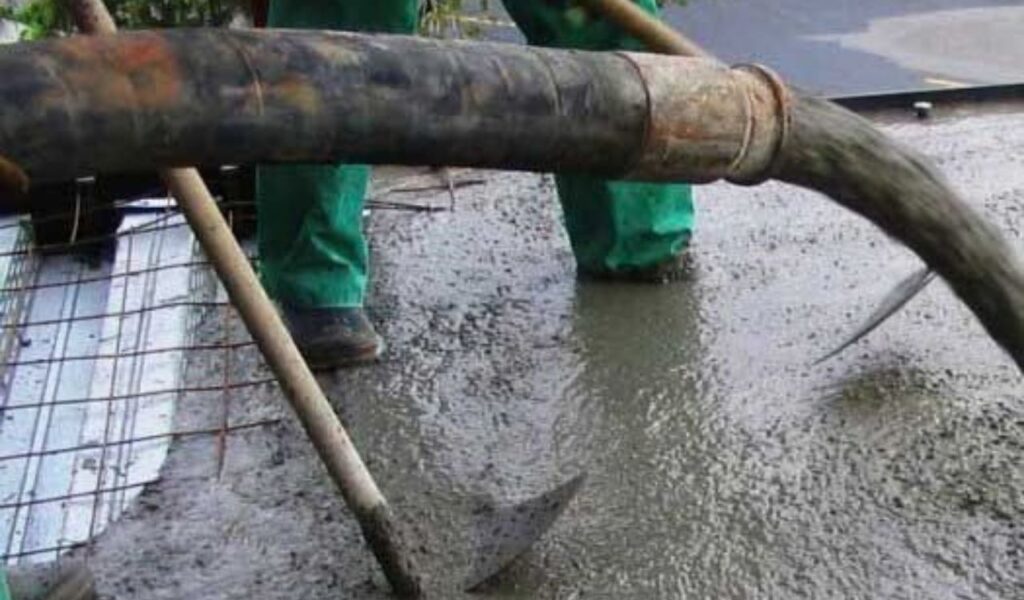
3D concrete printing (3DCP) requires one mix to perform two opposite jobs. It must flow through a pump and hose like a fluid, then hold its shape under its own weight within seconds of leaving the nozzle. To understand this balance, it helps to know what the concrete admixtures are and how they modify the […]
What Is a Viscosity Modifying Admixture (VMA) and When Should You Use It?
Modern concrete has to flow through congested reinforcement, travel long distances in a pump line, and hold together underwater, all without separating into paste and aggregate. Water reducers make concrete flow, but they don’t make it stable. That is the gap viscosity-modifying admixtures fill. So, what is a viscosity modifying admixture? It is a chemical […]
What Causes Dusting, Crazing and Blistering in Concrete Floors?

A concrete slab can pass its compressive strength test and still fail where it matters most: the top few millimetres. Dust on the surface, a web of fine cracks, or small hollow bumps under a trowel pass are all signs that the surface layer did not form properly. These three problems account for a large […]
What Should You Check Before Using a Crystalline Admixture in Potable Water Tanks and Reservoirs?
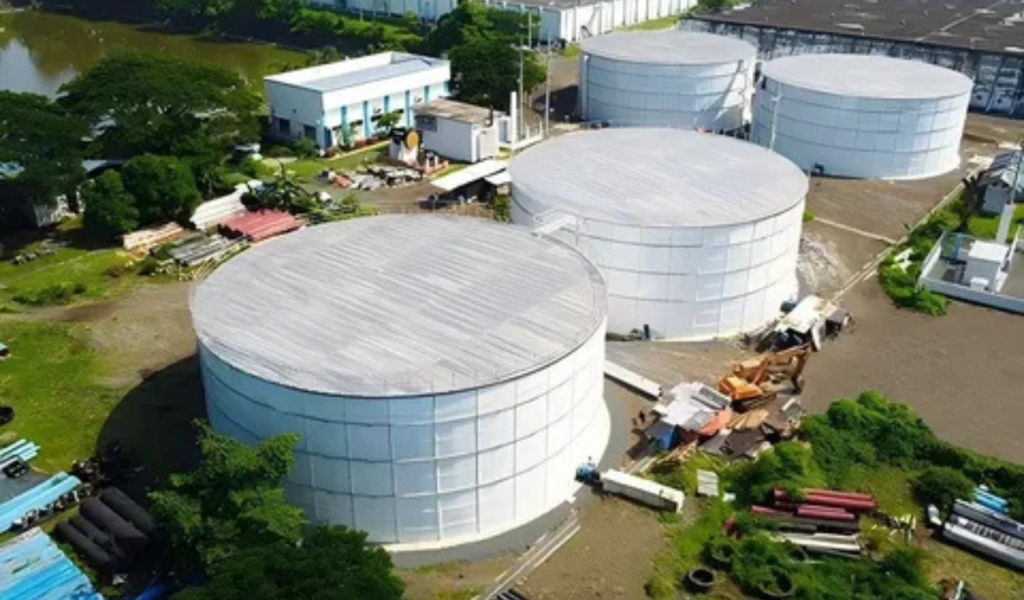
A concrete water tank has two jobs. It must hold water without leaking, and it must not change the quality of what it holds. Engineers often choose a crystalline admixture because it can help with the first job without a membrane or coating. But the second job is why the choice deserves more scrutiny than […]
How Does Tremie Concrete Flow Underwater, and When Are Anti-Washout Admixtures Needed?
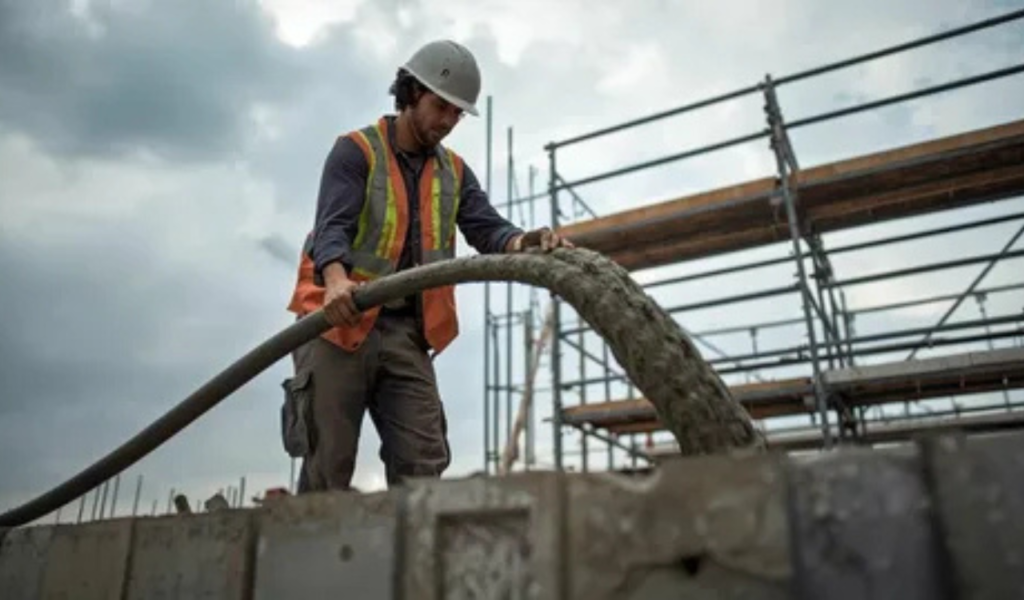
Tremie concrete flows underwater by displacement. Fresh concrete is fed down a water-tight pipe whose outlet stays buried in concrete already placed. The heavy concrete column pushes new material into the base of the existing mass, the mass swells like a slow bulge, and water is pushed upward and outward without ever mixing into the […]
What Admixtures Are Used in Shotcrete for Tunnels and Slope Support?
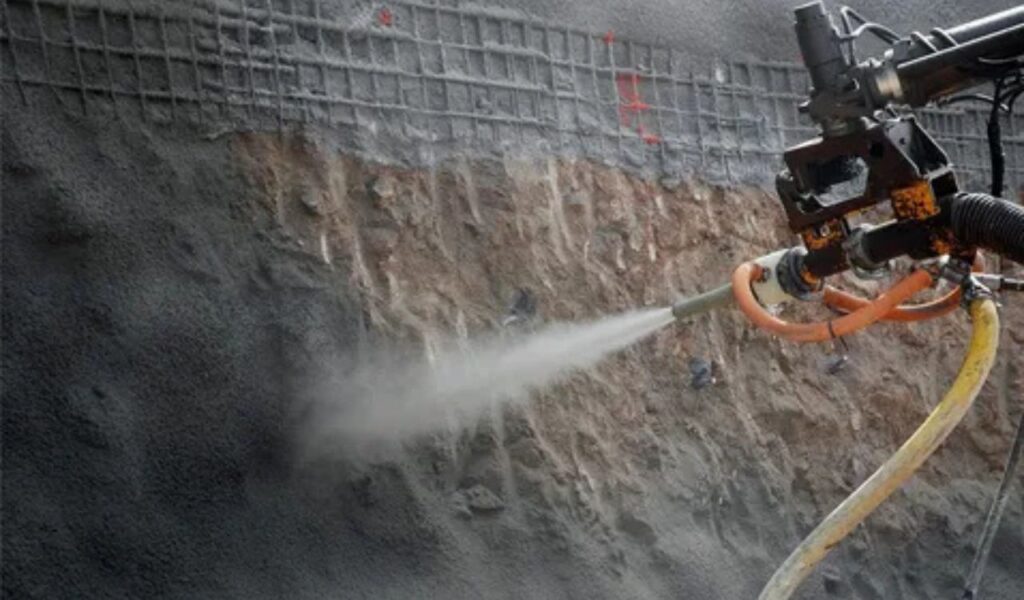
Shotcrete is sprayed onto rock, soil and formwork-free surfaces, so it has to do two opposite things: flow through a pump and hose, then stiffen almost instantly once it lands. Admixtures make that possible, and the right combination is what keeps a lining strong, tight and crack-resistant long after the spray crew has moved on. […]
How Long Can Fresh Concrete Wait Before Discharge? Transport Time Limits Explained

Most will start with “ninety minutes.” That number is real, but it is a default in a specification, not a law of chemistry. How long fresh concrete can wait before discharge depends on temperature, cement chemistry, mix design, admixtures, and what the project specification allows. This guide explains where the time limits come from, what […]
Why Does Fresh-From-Mill Hot Cement Cause Sudden Slump Loss in Concrete?
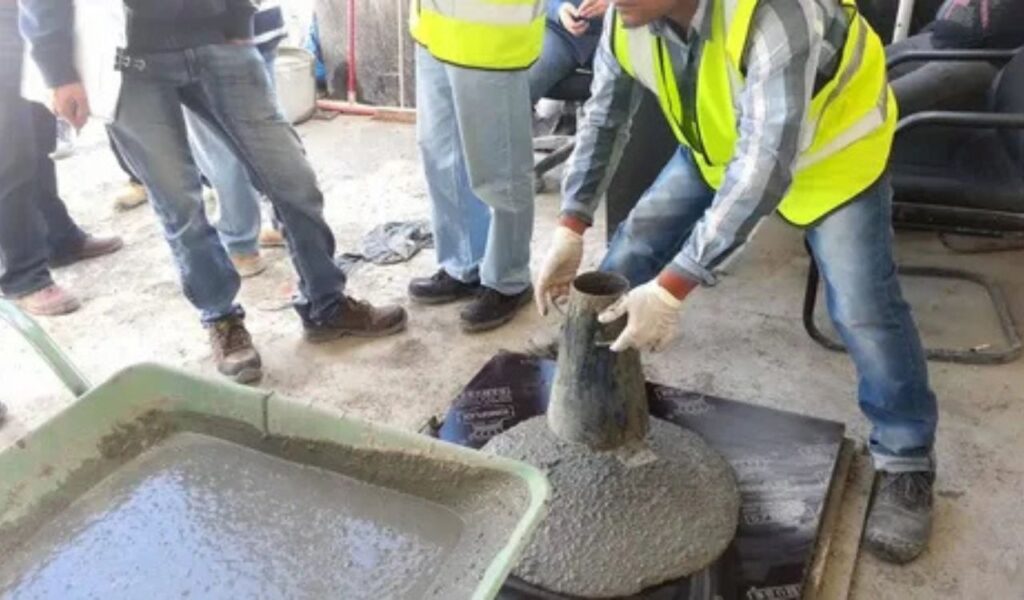
A mix that behaved perfectly yesterday suddenly stiffens within minutes today. Nothing changed in the mix design, the admixture dose looks right, and the aggregates test normal. The one thing that did change is the cement, which arrived hot from the mill or silo. Fresh-from-mill hot cement can cause sudden slump loss in concrete through […]
Can Expansive Concrete Replace Post-Pour Strips in Large Slabs? How It Works

Post-pour strips are a familiar headache on large slabs. They hold back formwork removal, stall trades above and below, collect debris, and require a closure pour weeks later. So when a designer asks whether expansive concrete can replace post-pour strips in large slabs, the question is really about schedule, cost, and cracking risk. The short […]