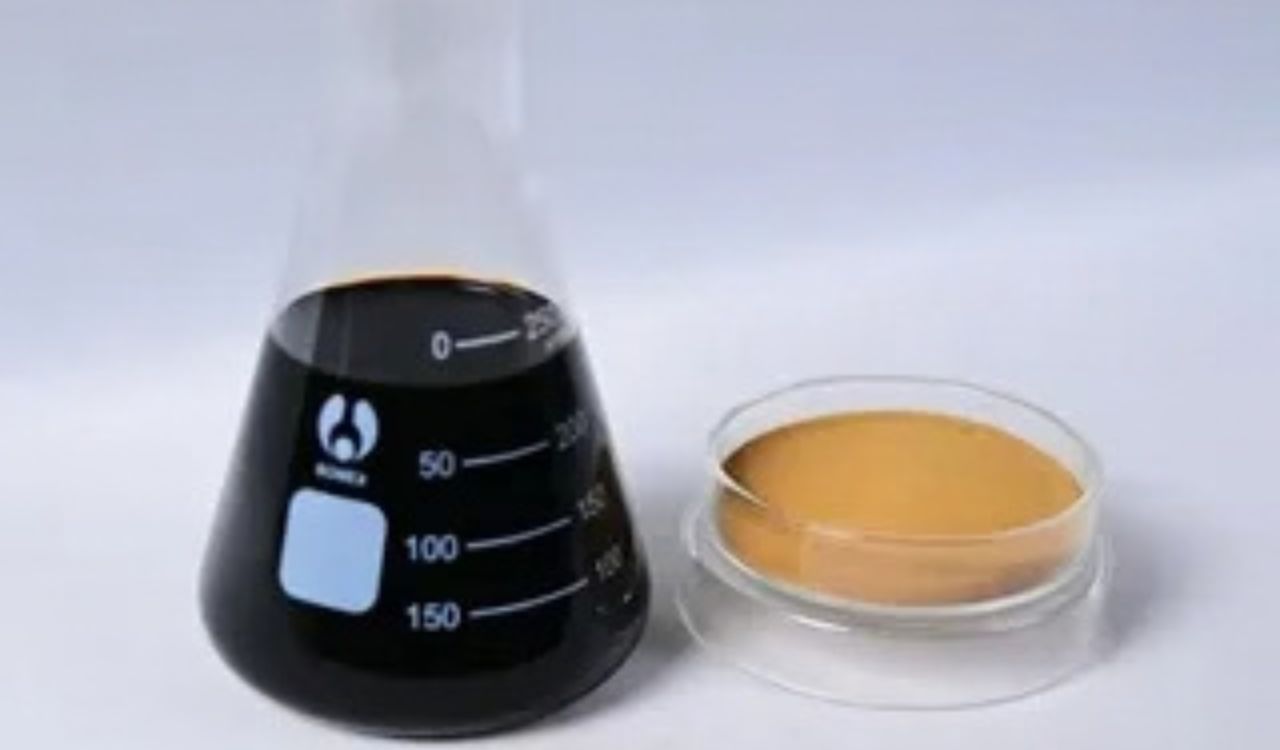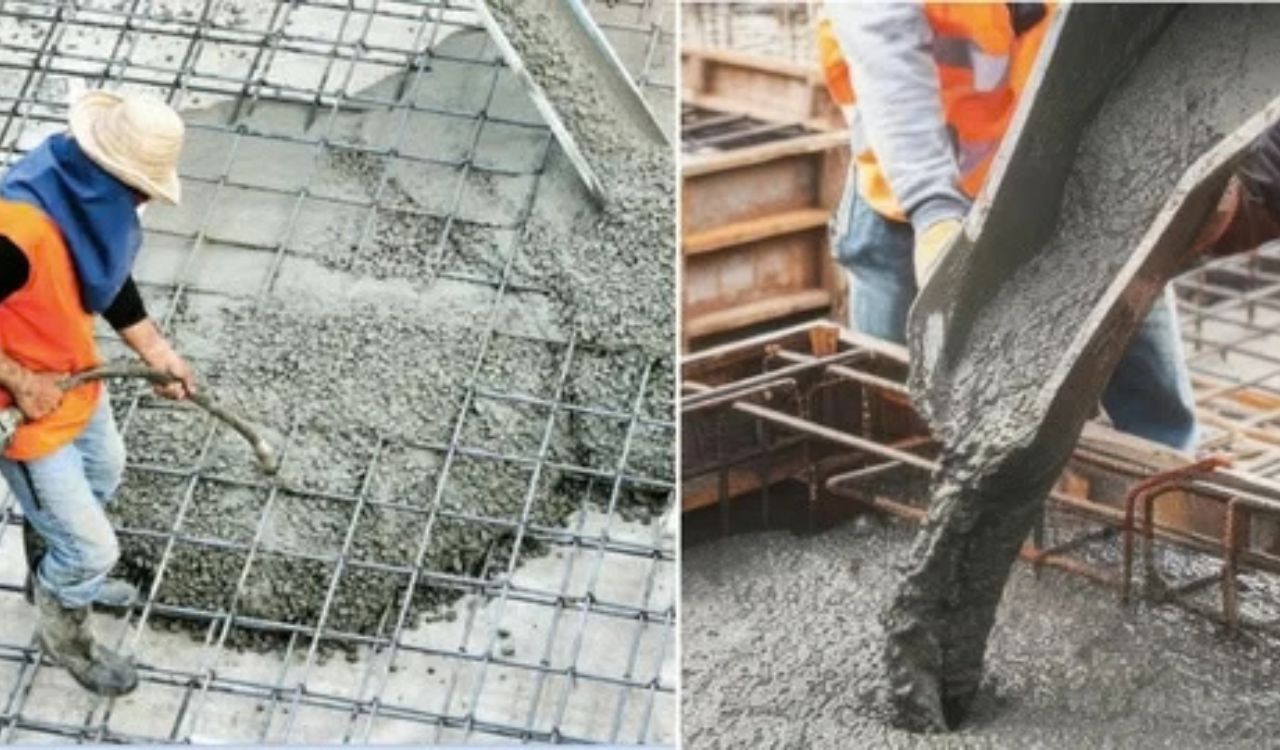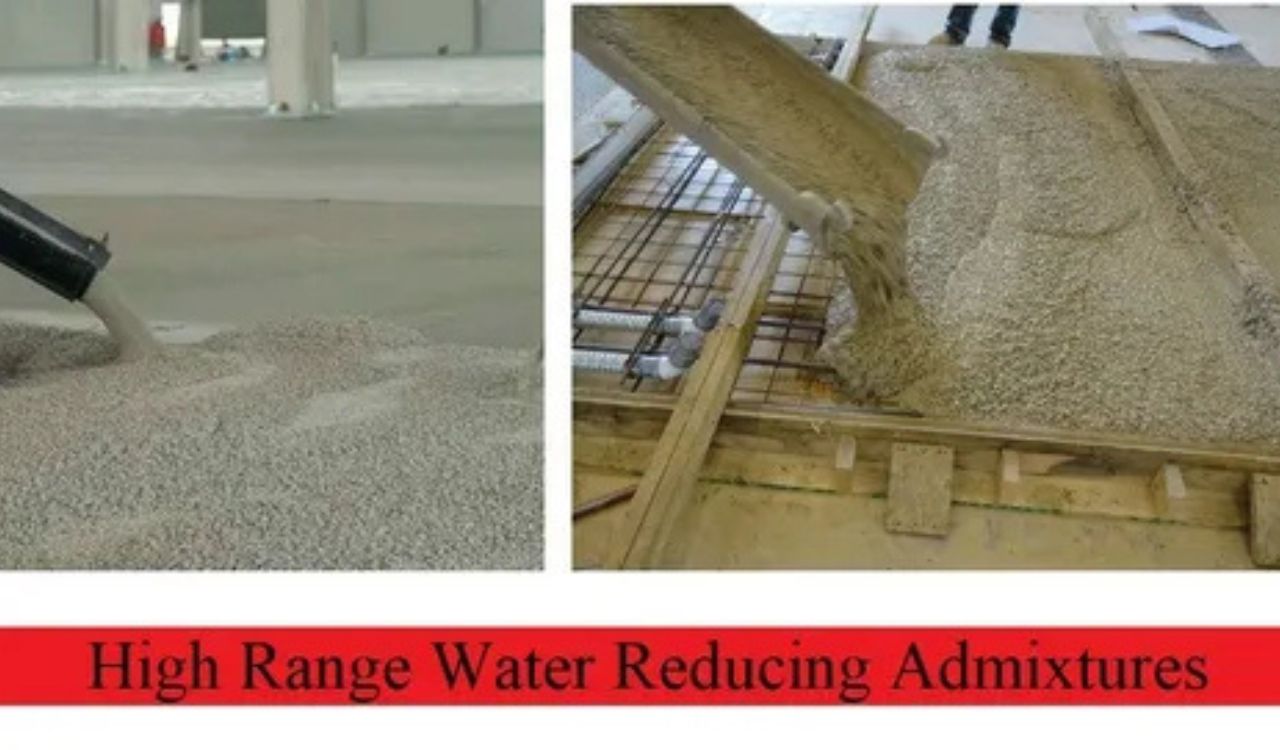
A mid range water reducer is a concrete admixture designed to provide more water reduction and plasticizing action than a conventional water reducer while generally offering more controlled workability than a high-range water reducer at typical application dosages. It is used when concrete needs improved flow, placement, finishing, or strength without necessarily requiring the very high water reduction associated with full superplasticizer applications.
The term “mid-range” describes the performance and dosage range rather than one single chemical composition. Different types of mixture chemistry can be used to achieve this performance, with commercial formulations often relying on various dispersing technologies, including polycarboxylate-based systems. Their effectiveness depends on factors such as cement chemistry, aggregates, supplementary cementitious materials, temperature, water content, and dosage. Current commercial products commonly aim to provide moderate water reduction, improved workability, and better slump retention, making them suitable for concrete mixes that require a balance between plasticizing performance and handling time.
For concrete producers, engineers, contractors, and industrial buyers, the main advantage is flexibility. A properly selected mid-range admixture can help achieve a practical balance between water reduction, slump, cohesion, finishability, setting behavior, and strength development.
What Is a Mid Range Water Reducer?
A mid range water reducer is a chemical admixture added to concrete during batching to disperse cement particles and improve the efficiency of the mix. By improving particle dispersion, the admixture can reduce the amount of mixing water required to obtain a specified level of workability.
The resulting reduction in the water-cement or water-cementitious ratio can contribute to a denser cementitious matrix and improved hardened-concrete properties when the mix is properly designed and cured. This performance is particularly relevant in the China concrete superplasticizer market, where concrete producers increasingly require admixture solutions that balance workability, water reduction, and concrete performance.
Unlike a conventional water reducer, which generally provides a lower level of water reduction, a mid-range formulation is intended for mixes requiring greater plasticizing action. It also occupies a useful middle ground between conventional plasticizers and high-range water-reducing admixtures.
There is no universal water-reduction percentage that defines every product as “mid-range.” Product performance varies by formulation and test conditions. Commercial examples commonly report moderate reductions in the approximate 5–15% range when used in mid-range applications, while some products can provide higher reductions at increased dosage rates.
How Does a Mid Range Water Reducer Work?
Concrete contains cement particles that naturally tend to form agglomerations when mixed with water. These agglomerations can trap water and reduce the efficiency of the available mixing water.
A water-reducing admixture modifies the interaction between cement particles, allowing them to disperse more effectively throughout the paste.
The basic process can be understood in four stages:
1. Cement particles become dispersed
The admixture interacts with cement particles and reduces their tendency to remain clustered together.
2. Trapped water becomes more available
Better particle dispersion can release water that would otherwise be held within cement agglomerations.
3. Concrete becomes easier to move
The improved dispersion changes the rheology of the fresh concrete, allowing the required slump or workability to be achieved with less mixing water.
4. The water-cement ratio can be reduced
If the original workability is maintained while water is reduced, the mix can achieve a lower water-cementitious ratio. This can contribute to higher strength and lower permeability when other mix variables are appropriately controlled.
PCE-based technologies are particularly common in modern mid-range and multi-range formulations because polymer structure can be engineered to provide different combinations of dispersion, workability retention, and water reduction.
Mid Range vs Normal and High Range Water Reducers
Understanding the difference between water-reducing admixture categories helps determine when a mid-range product is appropriate.
| Characteristic | Conventional Water Reducer | Mid Range Water Reducer | High Range Water Reducer |
| Water reduction | Lower | Moderate | High |
| Plasticizing effect | Moderate | Moderate to strong | Strong |
| Typical purpose | Improve basic workability | Balance workability and water reduction | High flow and major water reduction |
| Slump requirements | Conventional | Moderate to high | High to very high |
| Typical applications | General concrete | Ready-mix, pumped and difficult mixes | High-performance and flowable concrete |
| Dosage sensitivity | Generally moderate | Depends on formulation | Often more sensitive |
| Common technologies | Lignosulfonate and other plasticizers | PCE and blended technologies | PCE and other superplasticizer technologies |
The boundaries are not absolute. Some modern products are formulated as multi-range water reducers, meaning their dosage can be adjusted so that the same product performs as a mid-range or high-range water reducer.
Key Benefits of a Mid-Range Water Reducer
Improved Workability
A mid-range admixture can increase the mobility of fresh concrete without requiring additional water. This can make batching, pumping, placing, screeding, and finishing easier.
Improved workability is particularly useful where the mix contains challenging aggregates, manufactured sand, supplementary cementitious materials, or relatively low paste fluidity.
Reduced Water-Cement Ratio
One of the primary reasons to use a water reducer is to achieve the required workability with less water.
Lowering the water-cementitious ratio can improve the density and strength potential of hardened concrete, provided the cementitious system, curing conditions, and overall mix proportions are properly controlled.
Better Slump Retention
Some mid-range formulations are designed specifically to maintain workable consistency during transportation and placement.
This can be important for ready-mix concrete where the concrete may spend considerable time in transit before discharge. Commercial formulations are available with extended slump retention and controlled setting characteristics.
Improved Finishability
Concrete that is too harsh or sticky can be difficult to finish. A suitable mid-range water reducer can improve rheology and cohesion, helping contractors achieve a more consistent surface.
Strength Development
Reducing unnecessary mixing water can support higher compressive strength when the lower water-cementitious ratio is maintained without compromising proper hydration and curing.
Some products are also designed to support early strength development, which can be valuable for construction schedules requiring earlier form removal or structural use.
Reduced Bleeding and Segregation
A well-balanced admixture system can improve cohesion and reduce problems associated with excessive free water. However, bleeding and segregation also depend strongly on aggregate grading, paste volume, water content, air content, and placement practices.
Where Are Mid Range Water Reducers Used?
Ready-Mix Concrete
Ready-mix production is one of the most common applications because concrete may need to retain workability from batching through transportation and placement.
A mid-range formulation can provide a useful balance between slump, water reduction, and setting behavior.
Pumped Concrete
Pumping requires concrete with suitable flow characteristics and cohesion. Excessive water addition can negatively affect the mix, while insufficient workability can increase pumping difficulty.
A suitable mid-range admixture can help achieve pumpable rheology without relying on unnecessary additional water.
Precast Concrete
Precast producers often need consistent workability, good surface appearance, predictable strength development, and efficient production cycles.
Mid-range water reduction can be useful where moderate plasticization is required without moving completely into a high-flow concrete design.
Concrete Containing Supplementary Cementitious Materials
Concrete containing fly ash, slag, or silica fume can exhibit different rheological behavior from conventional cement-only mixtures.
Some mid-range products are specifically formulated for mixes containing high levels of supplementary cementitious materials and challenging aggregates.
Harsh or Difficult Concrete Mixes
Concrete containing manufactured sand, crushed-rock fines, or poorly shaped aggregate particles may require additional plasticizing action.
A suitable mid-range water reducer can improve the handling characteristics of such mixes without simply increasing water content.
What Materials Affect Mid Range Water Reducer Performance?
The same dosage does not necessarily produce the same result in every concrete mixture.
Important variables include:
- Cement type and chemical composition
- Cement fineness
- Supplementary cementitious materials
- Aggregate size and grading
- Manufactured sand and fines content
- Water quality
- Concrete temperature
- Initial slump
- Water-cementitious ratio
- Admixture dosage
- Mixing sequence
- Mixing energy and duration
- Compatibility with other admixtures
- Transportation time
Cement chemistry is particularly important because different cementitious systems can interact differently with dispersing polymers. Therefore, laboratory or field trials are more reliable than selecting a dosage based solely on a general percentage.
Mid Range Water Reducer Dosage
There is no universal dosage that can be applied to every concrete mix.
Commercial product recommendations vary considerably according to formulation and intended performance. For example, one commercial mid-range product specifies a general application dosage of 0.4–0.8% by weight of cementitious material, while other products use different dosage ranges.
A practical dosage-selection process should include:
- Establish the target slump or flow.
- Determine the required water-cementitious ratio.
- Select the cementitious materials and aggregates.
- Start with the manufacturer’s recommended dosage range.
- Produce trial batches.
- Measure slump immediately after mixing.
- Check slump retention at the expected discharge time.
- Evaluate air content, setting behavior, bleeding, and segregation.
- Test compressive strength at the required ages.
- Adjust the dosage based on actual project conditions.
Increasing the dosage does not automatically produce better concrete. Excessive dosage can affect setting time, air content, slump, finishing behavior, or other properties depending on the chemistry.
Factors to Consider When Selecting a Mid Range Water Reducer
Target Water Reduction
Determine whether the project requires moderate water reduction or a substantially higher reduction. If the required water reduction is very high, a high-range or multi-range water reducer may be more appropriate.
Slump Retention
For ready-mix concrete, long transportation distances or hot-weather placement, slump retention can be as important as initial water reduction.
Setting Characteristics
A project requiring rapid finishing may need a formulation with limited retardation, while other applications may benefit from controlled setting.
Cement and Aggregate Compatibility
The admixture should be tested with the actual cement, supplementary cementitious materials, aggregates, and other chemicals used in the mix.
Temperature
Concrete temperature can affect hydration, slump loss, and admixture performance. Hot-weather applications may require a formulation specifically designed for workability retention.
Other Admixtures
Air-entraining agents, accelerators, retarders, waterproofing admixtures, and other concrete additives can interact with a water reducer.
The compatibility of the complete admixture system should therefore be evaluated rather than treating each admixture chemical independently.
Mid Range Water Reducers and Concrete Waterproofing
A mid-range water reducer is not the same thing as a waterproofing admixture for concrete.
Water reduction can contribute to lower permeability by reducing excess water and producing a denser cementitious matrix. However, a water reducer should not automatically be described as a dedicated concrete waterproofing admixture.
Projects requiring integral water-resistance performance may use a specifically designed waterproofing system in addition to appropriate water reduction.
The same distinction applies to mortar and plaster. A plaster waterproofing chemical, waterproof chemical for plaster, or plastering waterproofing chemical is selected for a different performance objective than a mid-range concrete water reducer.
This distinction is important when comparing waterproofing admixture, admixture waterproofing, and general additives for concrete. The correct product should be selected according to the required property rather than simply using the broad term “construction chemical.”
Mid Range Water Reducers and Multi-Range Water Reducers
The terms can sometimes overlap in commercial product descriptions.
A mid range water reducer is generally positioned around moderate water reduction and improved plasticization.
A multi-range water reducer, on the other hand, is designed to provide different performance levels depending on dosage and formulation. Some commercial products can operate as conventional, mid-range, or high-range water reducers under different conditions.
For producers managing several concrete mix designs, this flexibility can simplify admixture selection and inventory management.
Quality Control and Testing
Quality control is essential because admixture performance depends on the entire concrete system.
Important tests can include:
- Slump or slump flow
- Slump retention
- Air content
- Setting time
- Compressive strength
- Flexural strength where required
- Bleeding and segregation observation
- Density
- Temperature
- Water-cementitious ratio
- Compatibility with other admixtures
The admixture should also be evaluated according to the relevant project specification and applicable standards. ASTM C494 provides performance classifications for chemical admixtures, but “mid-range water reducer” itself is a commercial/performance description rather than a single ASTM classification. Some mid-range products are designed to meet Type A, Type D, or other applicable requirements depending on their performance.
Storage and Handling Considerations
Proper storage is important for maintaining admixture consistency.
Manufacturers’ instructions should be followed for:
- Storage temperature
- Protection from freezing
- Container sealing
- Shelf life
- Agitation or recirculation where specified
- Dispensing equipment
- Batch identification
- Compatibility with dosing systems
For large concrete operations, reliable dosing and monitoring can be supported by appropriate concrete additive storage sensors and inventory controls. These systems can help operators monitor storage conditions and reduce the risk of dosing errors or material deterioration.
Common Problems When Using a Mid Range Water Reducer
Too Much Water Is Added
Adding extra water after admixture dosing can undermine the intended water-cementitious ratio and reduce the performance benefits of water reduction.
Dosage Is Increased Without Trial Batching
Higher dosage is not always better. Excessive dosage may change setting, air content, slump retention, or finishing characteristics.
Cement Changes Without Requalification
Changing cement source or cementitious materials can change admixture response. A dosage that worked with one cement may not provide identical results with another.
Slump Is Used as the Only Performance Indicator
Initial slump does not tell the complete story. Strength, setting time, slump retention, air content, segregation, and durability-related properties should also be considered.
Different Admixtures Are Combined Without Compatibility Testing
A water reducer may interact with accelerators, retarders, air-entraining agents, or other construction chemicals. Compatibility should be confirmed before full-scale production.
Best Practices for Using a Mid Range Water Reducer
For consistent results, concrete producers and contractors should:
- Define the target slump and water-cementitious ratio before dosing.
- Follow the product’s technical data sheet.
- Conduct trial batches using actual project materials.
- Optimize dosage rather than simply maximizing dosage.
- Monitor slump retention when transportation time is significant.
- Check compatibility with other admixtures.
- Avoid uncontrolled water addition at the job site.
- Monitor concrete temperature in hot or cold conditions.
- Maintain consistent aggregate moisture corrections.
- Record batch results and adjust the mix based on measured performance.
For manufacturers and industrial buyers, Luke Chemicals can evaluate a mid-range water-reducing solution within the broader requirements of the concrete mix rather than treating the admixture as an isolated chemical component.
How to Choose Between Mid Range and High Range Water Reduction
The choice should be based on the required concrete performance.
Choose a mid-range approach when the priority is generally a balanced combination of moderate water reduction, workability, finishability, and slump retention.
A high-range water reducer may be more appropriate when the project requires very high flow, significantly lower water-cementitious ratios, or high-performance concrete.
For some applications, a multi-range formulation may provide greater production flexibility by allowing the dosage to be adjusted according to the required performance level.
The correct choice should ultimately be confirmed through trial batching with the actual materials and project conditions.
Conclusion
A mid range water reducer provides a practical middle ground between conventional water reducers and high-range superplasticizers. Its main purpose is to improve concrete workability while reducing the amount of water needed to achieve the required consistency.
When properly selected and dosed, it can support better slump retention, finishability, strength development, cohesion, pumping performance, and durability-related properties. Its effectiveness, however, depends on cement chemistry, aggregates, supplementary cementitious materials, temperature, dosage, mixing procedure, and compatibility with other admixtures.
For ready-mix, precast, pumped, and other concrete applications, the most reliable approach is to evaluate the complete concrete mix through controlled trial batches rather than selecting an admixture solely from a generic dosage recommendation.
FAQs About Mid Range Water Reducers
What is a mid range water reducer?
A mid range water reducer is a chemical admixture that provides moderate water reduction and plasticizing action in concrete. It is commonly used when greater workability and water reduction are needed than a conventional water reducer can provide, without necessarily requiring the full performance range of a high-range water reducer.
How much water can a mid range water reducer reduce?
The amount varies by product and concrete mix. Commercial products commonly report moderate water reductions around 5–15% in mid-range applications, although some formulations can achieve higher reductions at increased dosages.
Is a mid range water reducer the same as a superplasticizer?
Not necessarily. Some modern products can function as both mid-range and high-range water reducers depending on dosage. However, a product specifically formulated for mid-range performance is generally intended to provide moderate water reduction and plasticization rather than maximum water reduction.
Can mid range water reducers be used in ready-mix concrete?
Yes. Ready-mix concrete is a common application because the admixture can improve workability and, depending on formulation, help maintain slump during transportation and placement.
Can a mid range water reducer improve concrete strength?
It can contribute to higher strength when it allows the concrete to achieve a lower water-cementitious ratio while maintaining appropriate workability. Actual strength depends on the complete mix design, cementitious materials, curing, and construction practices.
Can it be used with fly ash and slag?
Many formulations are designed for concrete containing supplementary cementitious materials such as fly ash and slag. However, compatibility and dosage should be verified through trial batching with the actual materials used on the project
Is a mid range water reducer a waterproofing admixture?
No. Although reducing excess water can contribute to a denser and less permeable concrete matrix, a mid-range water reducer is not automatically a dedicated waterproofing admixture. If integral waterproofing is required, a compatible waterproofing admixture should be selected according to the project’s performance requirements.