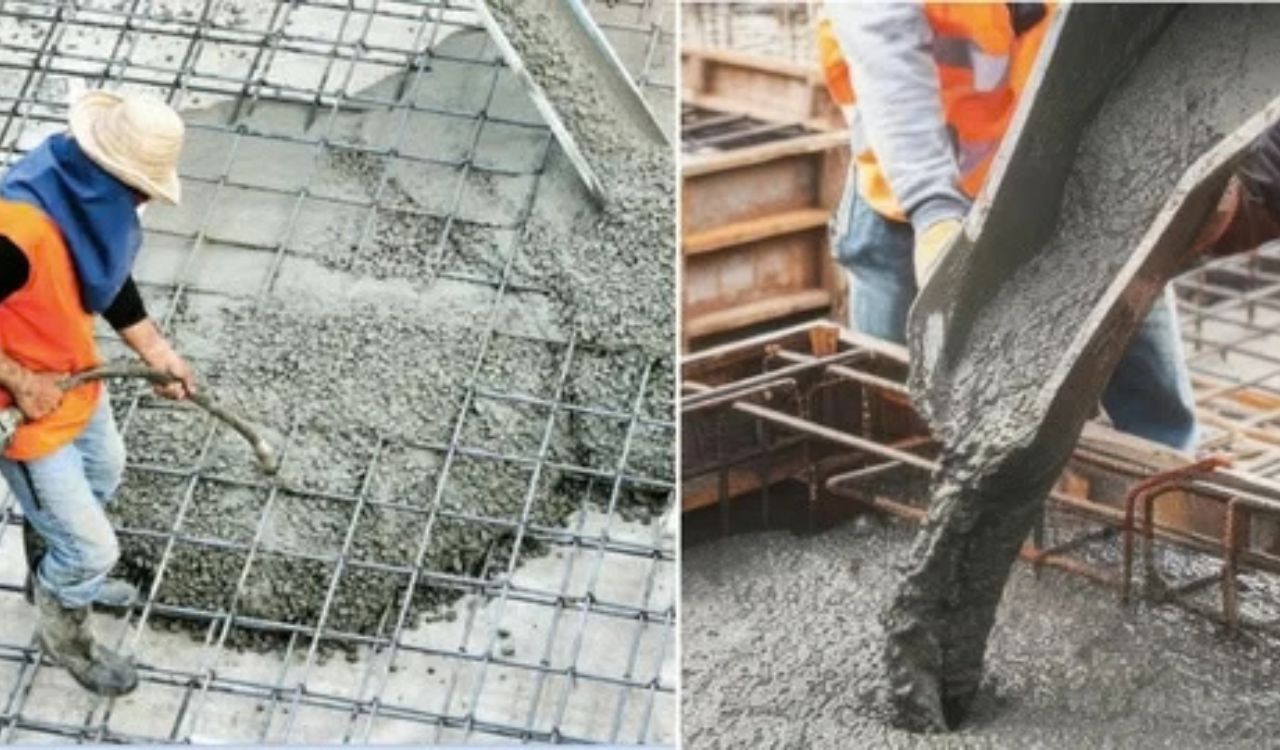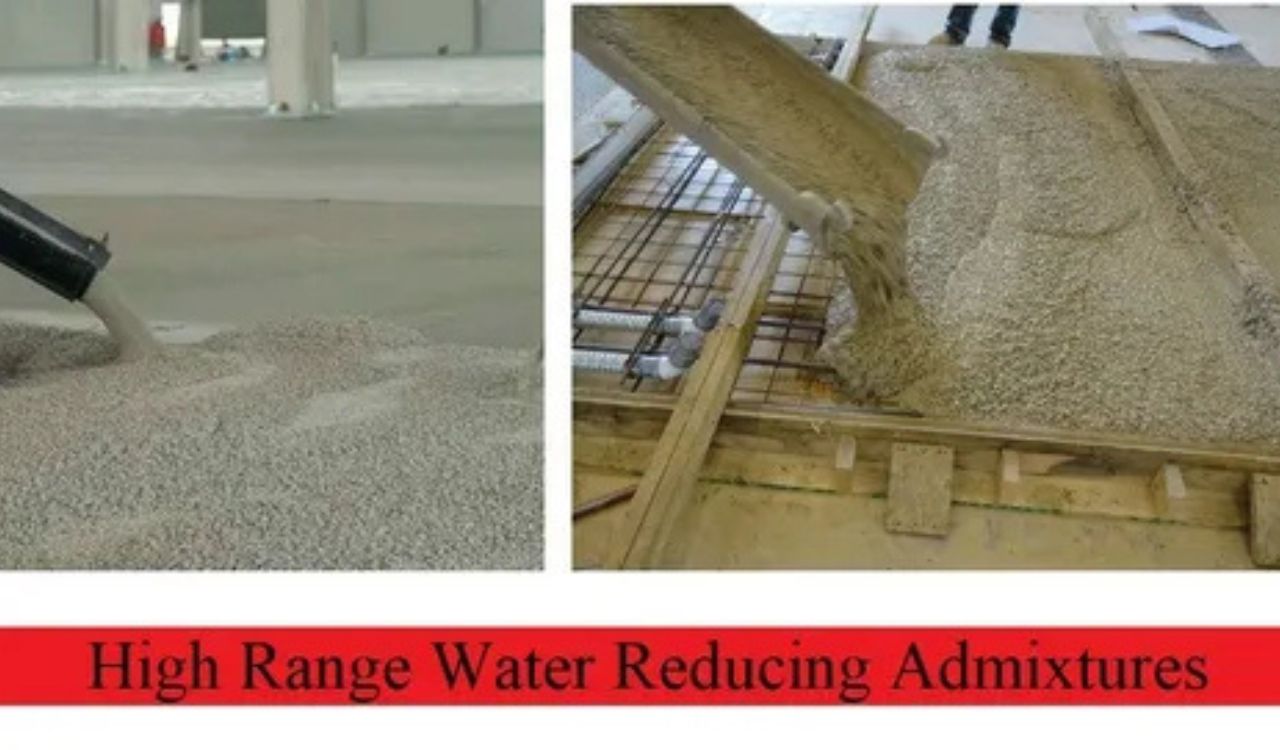
Concrete needs water to become workable, but too much water weakens the finished structure. Every extra liter added beyond what cement hydration actually requires leaves behind capillary pores once the concrete cures, and those pores lower strength, increase permeability, and shorten service life. Water reducing admixtures solve this problem by allowing concrete producers to achieve the same slump and flow with noticeably less mixing water, or to keep water content fixed while gaining extra workability. I will walk through the main types available today, how each one functions at a chemical level, and where they fit into a mix design.
Why Water Content Matters in Concrete
The water-to-cement ratio, often written as w/c, is one of the strongest predictors of concrete performance. A lower ratio generally means denser microstructure, higher compressive strength, and better resistance to chloride and sulfate ingress. The challenge is that reducing water by simply leaving it out tends to make fresh concrete stiff and difficult to place, especially in congested reinforcement or when concrete needs to be pumped over long distances. Water-reducing admixtures break this trade-off. They disperse cement particles so the same or less water produces a fluid, workable mix.
How Water Reducers Work at the Particle Level
Freshly mixed cement particles carry surface charges that cause them to clump together, trapping water inside these flocculated clusters instead of letting it lubricate the mix. Water-reducing admixtures adsorb onto the surface of cement grains and break up this clumping through one or both of two mechanisms.
The first is electrostatic repulsion, where negatively charged groups on the admixture molecule coat the cement particles and push them apart, similar to how magnets with the same pole repel each other. Lignosulfonates and naphthalene-based products rely mainly on this effect.
The second is steric hindrance, where long polymer side chains physically stand off the particle surface and prevent grains from approaching each other closely enough to flocculate. Polycarboxylate ether admixtures use this mechanism, often combined with a milder electrostatic effect, which is part of why they achieve much stronger dispersion at lower dosages than older chemistries.
The Main Chemistries Used as Water Reducers
Lignosulfonate-based admixtures are the oldest and most widely available water reducers, derived as a byproduct of the paper and pulp industry. They typically deliver 5 to 10 percent water reduction and correspond to ASTM Type A. They are inexpensive and effective for general-purpose concrete, though they can introduce some air entrainment and, at high dosages, may slow setting time more than intended, so dosage control matters.
Naphthalene sulfonate formaldehyde condensate, often shortened to SNF or referred to as a naphthalene-based superplasticizer, was the first widely used high range water reducer. It disperses cement mainly through electrostatic repulsion and can achieve water reductions in the 12 to 25 percent range depending on dosage. It performs reliably across a wide range of water reducing admixture types and remains popular where cost efficiency and consistent slump retention over a short window are priorities, such as ready mix batching close to the job site.
Melamine sulfonate formaldehyde condensate, or SMF, works on a similar electrostatic principle to naphthalene products but tends to have less impact on setting time and produces a lighter colored residue, which some precast and architectural concrete producers prefer for surface finish reasons. Its water reducing effect is generally comparable to or slightly lower than naphthalene-based products.
Polycarboxylate ether, commonly abbreviated PCE, represents the current generation of high range water reducers. Its comb-like molecular structure allows steric hindrance to do most of the dispersing work, which means much lower dosages are needed compared with older chemistries, often a fraction of the naphthalene or melamine dosage for an equivalent water reduction. PCE-based admixtures can reduce water content by 25 percent or more while maintaining workability retention for longer periods, making them well suited to ready mix concrete transported over distance, self-compacting concrete, and high strength or high performance concrete mixes.
Mid-range water reducers sit between conventional Type A products and full superplasticizers. They are used when a moderate slump increase is needed without the cost or dosing sensitivity of a high range product, and are common in pumped concrete and concrete requiring a consistent, workable but not flowing consistency.
Combination and modified water reducers extend the base chemistries above by pairing them with a retarder for hot weather or long haul transport, an accelerator for cold weather or fast turnaround formwork, or an air entraining agent for freeze-thaw exposure. These correspond to ASTM Types D, E, and combinations used alongside Type S performance admixtures.
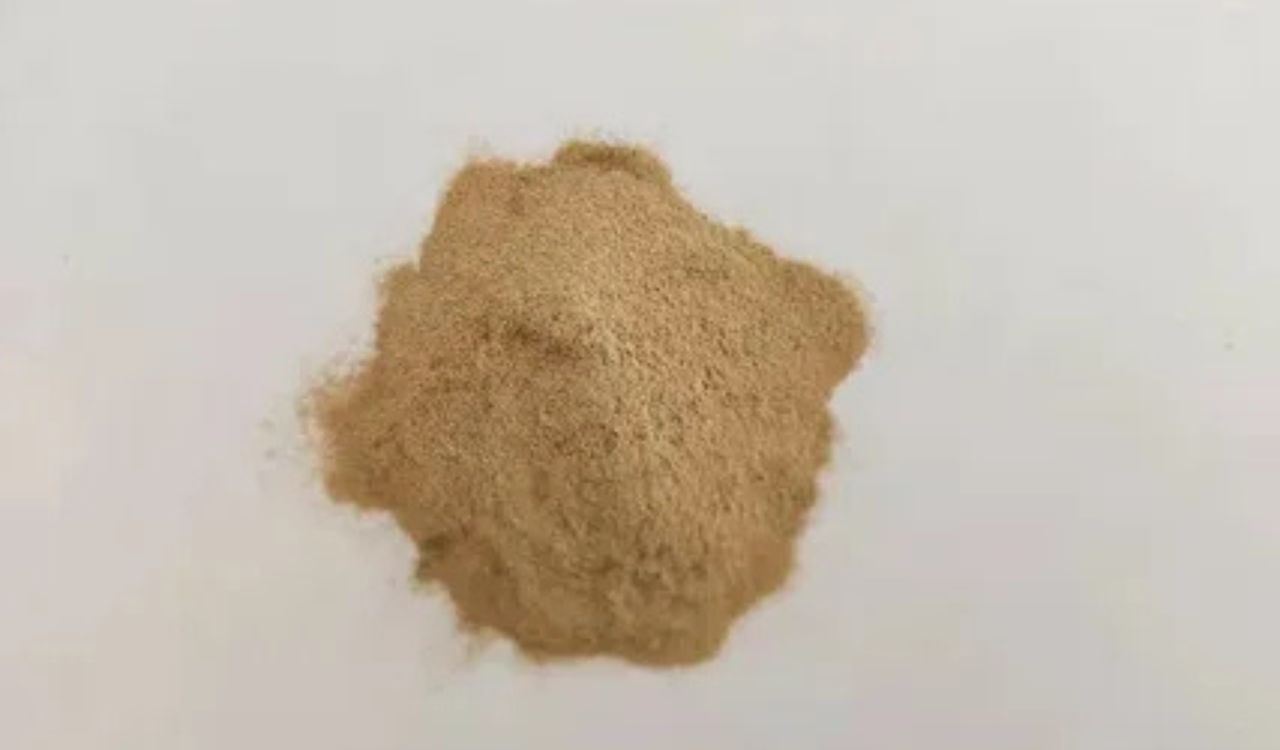
Chemical raw material suppliers, including Luke Chemicals, produce both naphthalene-based water reducers and polycarboxylate ether flake products, which gives ready mix and precast manufacturers flexibility to choose a chemistry that matches their cement source, climate, and cost target.
Factors That Influence Which Water Reducer to Choose
Cement chemistry and fineness affect how much of an admixture gets adsorbed before it starts dispersing particles, so compatibility testing with the actual cement source is important, particularly for PCE products which are more sensitive to cement composition and alkali content than older chemistries.
Ambient temperature changes how fast a mix loses slump. Hot climates often call for a water reducer paired with retardation, while cold weather placement may need an accelerating water reducer to maintain reasonable strength development timelines.
Transport time between the batching plant and the job site determines how much slump retention is required. PCE-based products generally hold workability longer than naphthalene or lignosulfonate products at equivalent starting slump.
Target strength and durability class matter as well. High performance and high strength mixes with very low water-to-cement ratios typically require PCE chemistry, since older water reducers cannot achieve the necessary reduction without excessive retardation or dosage.
Cost and local availability remain practical constraints, especially for large volume infrastructure work where lignosulfonate or naphthalene based products may offer adequate performance at a lower price point than PCE.
Testing and Dosage Considerations
Because water reducer performance depends heavily on the specific cement, aggregate, and any supplementary cementitious materials in a mix, trial batching is standard practice before full-scale use. Marsh cone flow tests and slump flow tests help determine the saturation dosage for superplasticizers, the point beyond which additional admixture stops improving flow and can instead cause segregation, bleeding, or excessive retardation. Getting dosage right is as important as choosing the correct chemistry.
Summary
Water reducing admixtures are not a single product but a family of chemistries, each suited to different mix designs, climates, and performance targets. Lignosulfonates remain a reliable, economical entry point, naphthalene and melamine-based superplasticizers offer a strong middle ground for high range water reduction, and polycarboxylate ether admixtures deliver the highest performance for demanding modern concrete applications. Matching the chemistry to the project and validating it through trial batching is what turns a water reducer from a generic additive into a genuine performance tool.