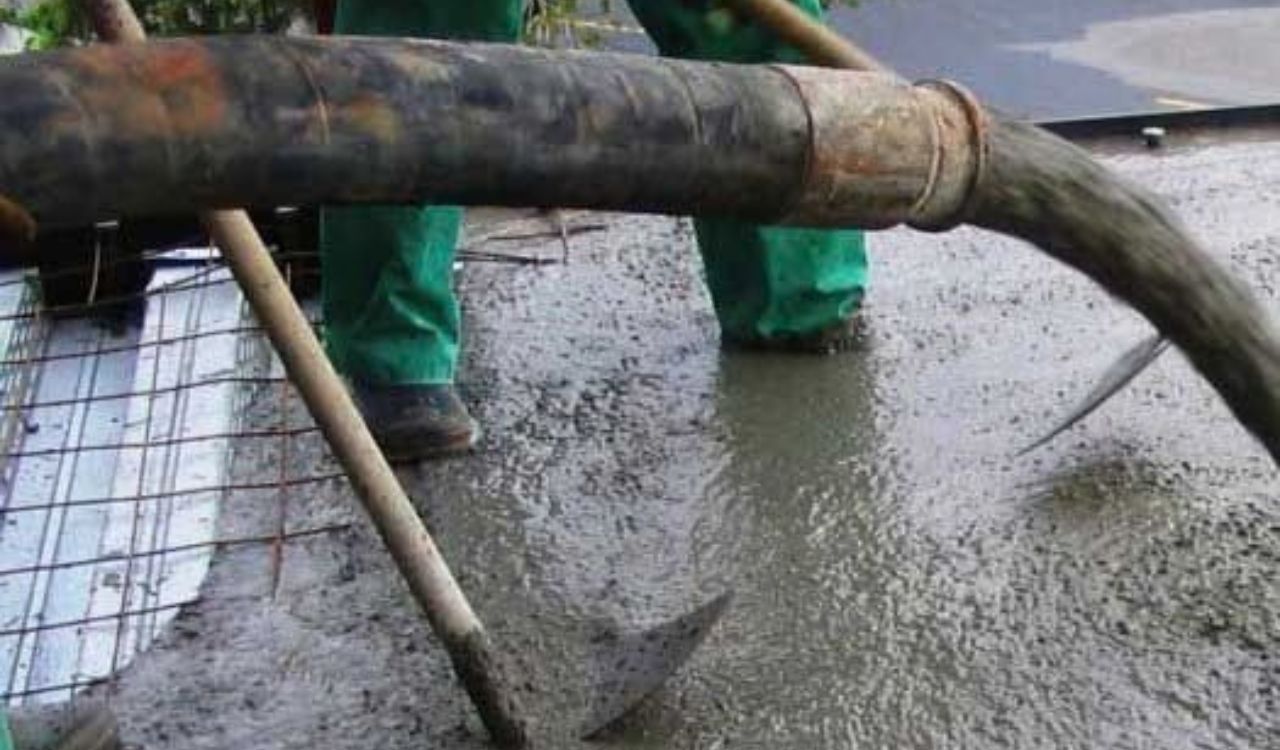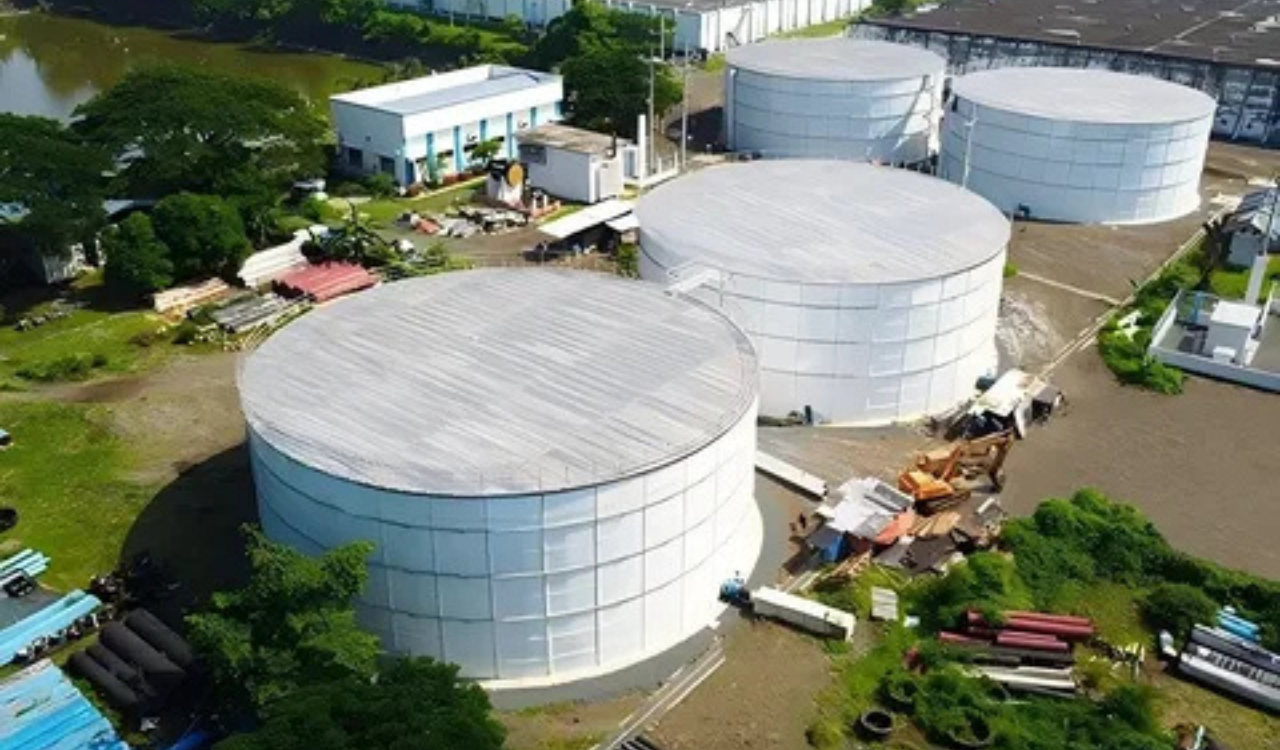
A concrete water tank has two jobs. It must hold water without leaking, and it must not change the quality of what it holds. Engineers often choose a crystalline admixture because it can help with the first job without a membrane or coating. But the second job is why the choice deserves more scrutiny than a standard waterproofing admixture for concrete.
This guide covers what engineers, contractors and buyers should verify before approving a crystalline waterproofing admixture for a potable water tank: certification, chemistry, mix compatibility, testing and commissioning. It also explains how the market context affects those decisions.
What a Crystalline Admixture Does Inside a Water Tank
A crystalline admixture is a type of cement permeability reducer. It is added to the concrete at batching and contains “active chemicals” carried in a cement and sand base. When moisture is present, these chemicals react with cement hydration products and form insoluble crystals in capillary pores and fine cracks. The pores narrow, so water moves through the concrete more slowly.
Two behaviours matter for tanks:
- Early pore blocking. Part of the product reacts during setting and hardening, reducing early porosity.
- Delayed, moisture-triggered response. The unreacted portion stays dormant until water reaches it, for example through a hairline crack. That is why a tank full of water is close to an ideal environment for the technology.
Independent testing supports the permeability benefit without a strength penalty. A 2016 Acta Polytechnica study reported that a crystalline admixture reduced the water vapour permeability of concrete by 16 to 20 percent, with full waterproofing effect reached around the 12th day after casting, and 28-day compressive strength almost identical to reference concrete at a 2 percent dose. That is one study on one product. Treat it as a reason to run your own trials, not as a guarantee.
Why Potable Water Tanks Need a Stricter Review
In a basement or a tunnel, the admixture’s job ends at waterproofing. In a potable water tank, the concrete is in permanent contact with drinking water, so everything that can leach from it is a potential contaminant. Tanks also face conditions that stress concrete:
- Constant immersion and, in some tanks, fluctuating water levels
- Chlorine or chloramine residuals, which can etch the cement paste over the years
- Soft or low-alkalinity water that can leach calcium from the surface
- Cold joints, penetrations and failed waterstops, which are the usual leak points
- Freeze-thaw exposure on roof slabs
A material that performs well in a basement can still be the wrong choice here if it lacks the right approvals or does not suit the mix design.
Ten Checks Before You Specify a Crystalline Admixture
| # | Check | What to confirm |
| 1 | Drinking water approval | Current certificate valid in the project’s country |
| 2 | Certificate scope | Approved dosage, product name and exposure conditions match the intended use |
| 3 | Leachables | Test data on metals, organics and TOC, if the project requires it |
| 4 | Dosage and form | Powder or liquid, dose as a percentage of cement weight, per the data sheet |
| 5 | Mix compatibility | Interaction with superplasticizers, accelerators, fly ash, slag, silica fume |
| 6 | Fresh and hardened properties | Workability, setting time, strength and permeability in trial mixes |
| 7 | Crack and joint design | Crystalline action supplements, but does not replace, joint detailing |
| 8 | Curing plan | Moist curing so the crystalline reaction can develop |
| 9 | Batching quality control | Calibrated dosing and documented mixing |
| 10 | Commissioning | Leak testing, disinfection and flushing before the tank enters service |
1. Drinking Water Approval for the Right Jurisdiction
This is the first gate. Approval requirements differ by region. Typical references include NSF/ANSI 61 in the US and Canada, WRAS in the UK, KTW/DVGW in Germany, ACS in France and AS/NZS 4020 in Australia. Some manufacturers also hold third-party certification for specific product grades.
Read the certificate itself, not the brochure. Check that it names the exact product, that it is current, and that it covers your intended use. Many certifications are tied to a maximum dose and to specific conditions of use.
2. Dosage Limits and Product Form
Dosage is usually expressed as a percentage of cementitious material by weight, and data sheets for powder products commonly sit in the range of roughly 1 to 2 percent. The correct figure depends on the product and on the performance required. Stay inside the certified and tested dose. Overdosing does not make a better tank, and it may take you outside the approval.
Choose the form that suits your batching setup. Powder products are usually pre-blended with cement or dry-mixed with aggregates, while liquid products go through a calibrated dispenser. Many liquid grades also have a plasticising effect, which affects the water demand.
3. Leachables and Water Quality Impact
Ask for evidence that the admixture does not add unwanted substances to the stored water. Items to look for include heavy metals, organic content (TOC), taste, odour and turbidity. For critical projects, a pilot test with the project’s own water chemistry is worthwhile, particularly where the water is soft or aggressive.
4. Compatibility with the Rest of the Mix
Modern tank concrete rarely contains cement and water alone. It often includes superplasticizers for low water-cement ratios, set-accelerating or retarding admixtures depending on the season, and supplementary cementitious materials such as fly ash or slag. Interactions are possible.
- Confirm that the crystalline product does not delay set unexpectedly or cause slump loss.
- If a high-range water reducer is used, test them together. Admixtures from different suppliers are not always interchangeable.
- If an accelerator is needed for cold-weather pours, check that early strength and permeability still meet the specification.
Global supply chains are relevant here. The concrete admixtures market is large and fast-moving, and the cement and concrete additives market in APAC, including China’s superplasticizer sector, supplies many of the water reducers used alongside waterproofing admixtures. Specifiers should not assume that a new superplasticizer brand behaves like the one used in an earlier approved mix. Lock the full admixture package in the trial stage.
5. Performance in Trial Mixes
Do not rely only on catalogue values. A trial mix lets you compare control and admixture concrete using your own cement, aggregates and water.
| Property | Typical test reference |
| Water penetration under pressure | EN 12390-8 |
| Water absorption and sorptivity | ASTM C1585 |
| Compressive strength | Standard cylinder or cube tests at 7 and 28 days |
| Workability and setting | Slump and setting time tests |
| Admixture performance classification | ASTM C494 or EN 934-2, where applicable |
Aim for a low water-cementitious ratio and proper consolidation as well. The admixture reduces permeability, but it cannot compensate for a porous, poorly compacted concrete.
6. Realistic Crack-Healing Expectations
Crystalline products are designed to seal fine hairline cracks when water is present. Manufacturers typically quote healing of cracks up to a few tenths of a millimetre. They are not designed to close wide structural or thermal cracks.
That means crack control still comes from the structural design: reinforcement detailing, joint spacing, shrinkage control and thermal management. Tanks should be designed to the relevant code, such as ACI 350 for environmental engineering concrete structures, with the admixture adding a layer of protection.
7. Joints, Penetrations and Details
Most tank leaks start at construction joints, pipe penetrations and failed waterstops, not through the sound concrete body. A crystalline admixture does not replace waterstops, sealants or careful joint preparation. Specify them together and make sure the sequence is clear on site.
8. Curing and Moisture Availability
The crystalline reaction needs moisture. In dry or low-humidity conditions, the effect can be slower or incomplete. Plan proper moist curing, and avoid leaving freshly cast walls to dry out in hot or windy weather. This is a common reason why identical products perform differently from site to site.
9. Batching and Quality Control
A good admixture can still fail through poor handling. Check that:
- Dosing equipment is calibrated and weights are recorded
- Powder admixtures are dry mixed according to the supplier’s procedure
- Batch tickets show admixture type and quantity
- Storage keeps products sealed and dry
- Staff use appropriate PPE when handling powders
10. Commissioning and Acceptance
Before the tank goes into service, plan the full sequence:
- A hydraulic tightness (fill) test to the project specification, such as methods referenced in ACI 350 practice.
- Cleaning, disinfection and flushing in line with local practice, for example AWWA C652 for storage facilities.
- Water quality sampling before the tank is connected to the network.
Record each step. If a problem appears, those records show whether the cause is the concrete, the joints or the commissioning procedure.
Crystalline Admixture vs Other Waterproofing Options for Tanks
| Option | Strengths | Limitations for potable tanks |
| Integral crystalline admixture | Part of the concrete, no applied layer to peel, self-sealing of fine cracks | Needs moisture, needs proper mix design and curing |
| Crystalline coating or slurry | Useful for repair and for existing tanks | Surface applied, needs good preparation |
| Epoxy or polymer lining | Continuous barrier | Can be moisture sensitive and may delaminate; needs certified, drinking-water-grade products |
| Membranes | Effective on external faces | Do not protect against internal leakage paths, and depend on installation quality |
The cementitious waterproofing market includes both integral and surface-applied products, and the waterproofing admixtures market is growing alongside infrastructure investment in water storage and treatment. The right answer is often a combination: integral admixture in the structure, with cementitious repair products for joints or later maintenance.
Common Mistakes
- Assuming that “non-toxic” on a data sheet means a drinking water approval exists
- Approving the admixture without testing it with the project’s superplasticizer
- Using a dose above the certified level, in the hope of better performance
- Skipping trial mixes for a project that already has a tight schedule
- Treating crystalline technology as a replacement for joint design
- Leaving walls uncured in hot weather
- Not documenting batching, so problems cannot be traced
How Luke Chemicals Can Support Your Specification
Luke Chemicals supplies concrete admixtures and construction chemicals to contractors, precast producers and ready-mix suppliers. For potable water projects, the team can help you review technical data sheets and certification, discuss dosage and compatibility with your mix design, and prepare for trial mixes before the pour.
Frequently Asked Questions
Is a crystalline admixture safe for drinking water tanks?
It can be, provided the specific product holds a valid drinking water approval for your country and is used within its certified conditions. Check the certificate scope, dose and product name. A general claim of being “non-toxic” is not a substitute.
How much crystalline admixture should I add to concrete?
It depends on the product. Dosage is commonly given as a percentage of cementitious material by weight, and powder products often fall in a range of about 1 to 2 percent. Always follow the manufacturer’s data sheet and the certified dose, and confirm it in trial mixes.
Can crystalline admixtures be used with superplasticizers and fly ash?
Usually yes, but compatibility should be tested rather than assumed. Check slump retention, setting time, strength and permeability with your actual cement, supplementary cementitious materials and superplasticizer.
Will a crystalline admixture stop all cracks and leaks?
No. It reduces permeability and can seal fine hairline cracks when water is present. Wide structural cracks, badly formed joints and failed waterstops still need proper design and repair.
How long does it take for a crystalline admixture to work?
Part of the effect starts during setting and hardening, and further crystal growth continues as moisture is available. One published study found full waterproofing effect at roughly 12 days under its test conditions, so allow time and proper curing before testing and commissioning.
Can I use a crystalline admixture in an existing tank?
Admixtures are added at batching, so they suit new construction or new concrete elements. For existing tanks, crystalline coatings, slurries or repair mortars are the more usual route. Make sure those products also hold drinking water approval.
What tests should I run before approving the product?
At minimum: check the drinking water certification, then run trial mixes to compare workability, setting, strength and water penetration against a control. For critical projects, add leachate and water quality testing with your project’s water chemistry.