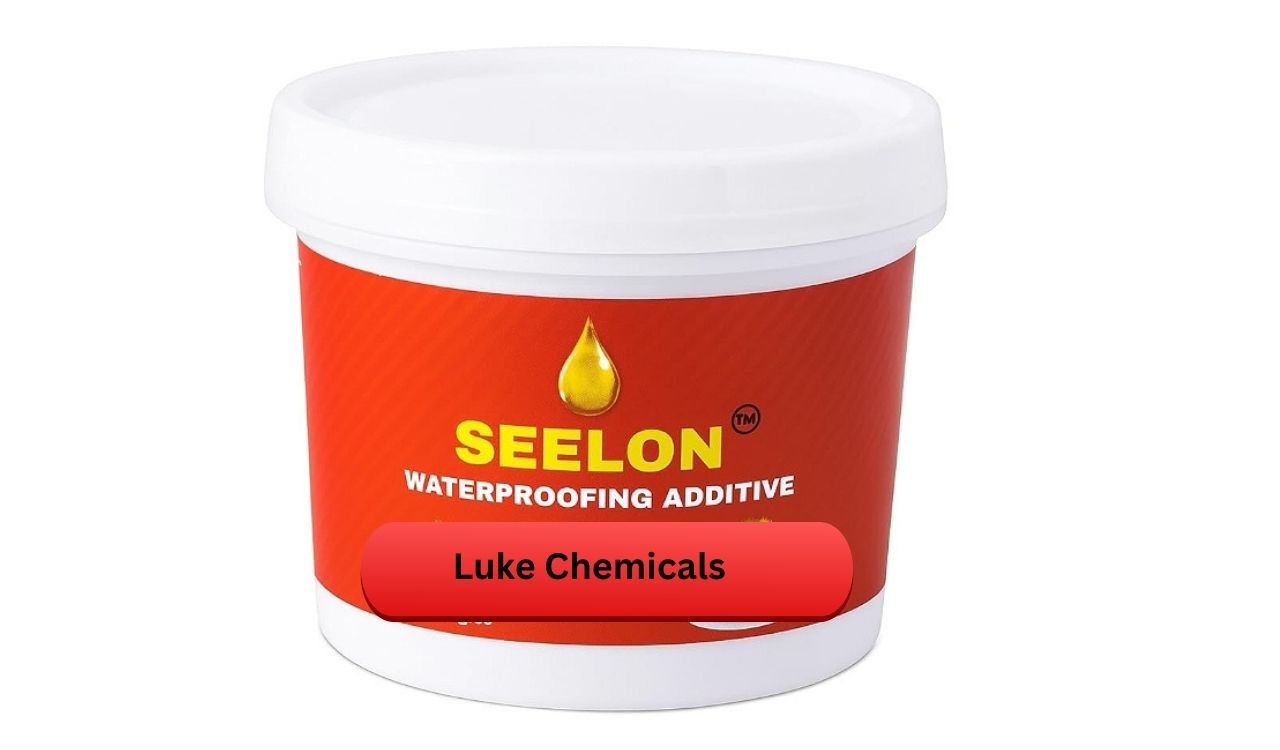
Plaster is widely used to protect and finish masonry and concrete surfaces, but conventional cement-based plaster can absorb water when exposed to rain, humidity, groundwater, or repeated wetting and drying. A waterproofing additive to plaster can be incorporated into the plaster formulation to reduce water penetration and improve resistance to moisture.
Waterproofing additives are formulated to interact with the cementitious matrix, pore structure, or water phase of the plaster. Depending on their chemistry, they may reduce capillary water absorption, improve water repellency, modify pore characteristics, or provide additional resistance to moisture movement. The appropriate product depends on the plaster composition, exposure conditions, required performance, and application method.
What Is a Waterproofing Additive to Plaster?
A waterproofing additive to plaster is a chemical or polymeric material incorporated into a cement-based plaster mixture to improve its resistance to water penetration and moisture absorption.
Unlike a waterproofing coating applied to the surface after plastering, an integral additive is incorporated into the plaster itself. This means the waterproofing function is distributed through the plaster matrix rather than being limited to a surface film. This approach is similar to how different types of admixtures in concrete are incorporated into the mix to improve specific properties and performance.
Depending on the formulation, waterproofing additives may work through mechanisms such as:
- Reducing capillary water absorption
- Increasing water repellency
- Blocking or modifying pores
- Improving the density of the cementitious matrix
- Reducing pathways for liquid water movement
- Improving resistance to moisture-related deterioration
A waterproofing additive does not eliminate the need for proper plaster formulation, curing, surface preparation, or construction detailing. Water can still enter through cracks, joints, poorly sealed penetrations, or structural defects.
Why Is Waterproofing Important in Cement Plaster?
Cement plaster contains interconnected pores that can allow water to move through the material by capillary absorption. The extent of water movement depends on factors such as water-to-cement ratio, curing, cement hydration, aggregate characteristics, compaction, cracking, and environmental exposure.
Moisture penetration can contribute to problems such as:
- Damp patches
- Surface staining
- Efflorescence
- Plaster deterioration
- Reduced aesthetic quality
- Freeze-thaw damage in suitable climates
- Corrosion risks when moisture reaches reinforced concrete components
- Biological growth under favorable conditions
Reducing water absorption can therefore be an important part of designing durable cement-based plaster for exposed or moisture-prone applications.
How Does a Waterproofing Additive Work in Plaster?
The mechanism depends on the chemical type of additive. Different products can provide water resistance through different physical and chemical effects.
Reducing Capillary Water Absorption
Some additives reduce the ability of the hardened plaster to absorb liquid water through capillary pores. This can limit the movement of moisture into the cementitious matrix.
Increasing Water Repellency
Water-repellent additives can modify the surface characteristics of pores and capillaries, making them less receptive to liquid water.
This can help reduce water uptake while still allowing the material to retain other important properties when properly formulated.
Modifying the Pore Structure
Some waterproofing technologies influence the internal pore structure of cement-based materials. A more controlled and less connected pore network can reduce pathways through which liquid water travels.
Improving Matrix Density
Certain additives can contribute to a denser cementitious matrix by influencing particle dispersion, hydration behavior, or the formulation’s water demand. However, the overall mix design remains critical because an additive cannot compensate for fundamentally poor plaster production or application.
Types of Waterproofing Additives for Plaster
There is no single chemistry suitable for every plaster application. Waterproofing additives can be broadly categorized according to their mechanism and formulation.
Integral Waterproofing Additives
Integral waterproofing additives are incorporated directly into the plaster mixture before application.
They are designed to provide water-resistance characteristics throughout the plaster rather than creating a separate surface layer.
Their performance depends on factors such as:
- Chemical composition
- Dosage
- Cement type
- Aggregate grading
- Water content
- Mixing procedure
- Curing conditions
- Compatibility with other additives
Water-Repellent Additives
Water-repellent additives are designed to reduce the affinity of the plaster matrix for liquid water.
Hydrophobic technologies can be useful where reducing water absorption is a primary requirement. The effectiveness depends on how uniformly the additive is distributed and how it interacts with the cementitious system.
Polymer-Based Additives
Polymer-based materials can modify the properties of cementitious plaster by improving adhesion, flexibility, water resistance, and other characteristics depending on the polymer chemistry and formulation.
Some polymer-modified systems are particularly useful when plaster needs improved resistance to moisture and mechanical stresses.
Pore-Blocking Additives
Pore-blocking technologies aim to reduce the accessibility or connectivity of pores through which water can migrate.
Their effectiveness depends on the specific chemistry, cementitious system, curing conditions, and application environment.
Crystalline Waterproofing Additives
Certain crystalline waterproofing technologies are designed to react within cementitious systems and form insoluble crystalline structures in suitable pores or capillaries.
These systems are application-specific and should be evaluated according to the manufacturer’s technical documentation and the requirements of the plaster formulation.
Benefits of Using a Waterproofing Additive in Plaster
When correctly selected and incorporated, waterproofing additives can provide several potential benefits.
Reduced Water Absorption
A major purpose of waterproofing additives is to reduce the amount of liquid water absorbed by cement-based plaster.
Improved Moisture Resistance
Reducing water penetration can help plaster perform more reliably in environments exposed to rain, humidity, splash water, or intermittent wetting.
Better Durability
Lower moisture uptake can help reduce certain forms of moisture-related deterioration, particularly when combined with good plaster formulation and construction practices.
Improved Surface Protection
Water-resistant plaster can provide an additional barrier against moisture entering masonry or cementitious substrates.
Application Flexibility
Integral additives can be incorporated during mixing, allowing waterproofing characteristics to become part of the plaster formulation rather than relying entirely on a separate surface treatment.
Where Can Waterproofing Additives Be Used in Plaster?
The appropriate additive depends on the substrate, exposure conditions, plaster formulation, and required water resistance.
Exterior Wall Plaster
Exterior walls can be exposed to rain, wind-driven water, humidity, and repeated wetting and drying. Waterproofing additives can be considered as part of a broader exterior wall protection system.
Bathrooms and Wet Areas
Cement-based plaster in areas exposed to regular moisture may benefit from reduced water absorption. However, areas subject to direct or continuous water exposure may require a dedicated waterproofing system in addition to water-resistant plaster.
Basements
Below-grade walls can encounter moisture from surrounding soil or groundwater. Waterproofing additives may contribute to the performance of cementitious plaster, but they should not be considered a substitute for a complete below-grade waterproofing design.
Masonry Walls
Water-resistant plaster can be useful on masonry substrates where reducing moisture absorption through the plaster layer is part of the overall wall protection strategy.
Cement-Based Repair and Protective Mortars
Certain waterproofing additives can also be incorporated into cement-based repair or protective mortars where reduced water absorption is required.
Waterproofing Additive to Plaster vs Surface Waterproofing
Integral waterproofing additives and surface waterproofing products serve different purposes.
| Characteristic | Waterproofing Additive | Surface Waterproofing |
| Application | Mixed into plaster | Applied to finished surface |
| Location | Throughout the plaster matrix | Primarily at the surface |
| Main purpose | Reduce water absorption or penetration | Form a surface barrier or waterproofing layer |
| Timing | Added during mixing | Applied after substrate preparation |
| Crack protection | Depends on formulation | Depends on coating system |
| Suitable for | Integral moisture resistance | Dedicated surface waterproofing |
In many construction systems, the two approaches can be complementary rather than mutually exclusive.
How to Choose a Waterproofing Additive for Plaster
Selecting an additive should begin with the performance requirement rather than simply choosing the highest advertised waterproofing performance.
Consider the Plaster Formulation
The additive should be compatible with the cement, sand, mineral fillers, polymers, and other components in the plaster.
Evaluate Water Resistance Requirements
Determine whether the requirement is reduced water absorption, resistance to rain, resistance to intermittent wetting, or protection against sustained water pressure.
These are different performance requirements and may require different waterproofing technologies.
Check Compatibility
The additive should be compatible with other components in the mixture. Unfavorable interactions can affect setting, workability, air content, adhesion, or final performance.
Consider Application Conditions
Temperature, humidity, substrate condition, curing, and exposure conditions can influence the performance of cement-based plaster.
Review Technical Data
Important product information may include:
- Recommended dosage
- Application method
- Compatibility information
- Mixing instructions
- Storage requirements
- Physical and chemical characteristics
- Performance test data
Waterproofing Additive Mixing Guide
The exact mixing procedure and dosage should always follow the product’s technical documentation because waterproofing additives can have significantly different chemistries and recommended use levels.
A general mixing sequence for an integral additive may include:
- Prepare the cement, aggregates, and other dry components according to the plaster formulation.
- Measure the waterproofing additive accurately.
- Introduce the additive according to its specified form and mixing instructions.
- Add the required amount of water gradually.
- Mix sufficiently to achieve uniform distribution.
- Check the consistency and workability of the plaster.
- Apply the plaster to a properly prepared substrate.
- Cure the plaster according to the formulation and project requirements.
The objective is not simply to add more waterproofing chemical. Excessive or insufficient dosage can affect the balance of the plaster formulation.
Does Waterproofing Additive Replace Proper Plastering?
No. A waterproofing additive should be considered one component of a complete moisture-control strategy.
Even a well-formulated water-resistant plaster can be affected by:
- Cracks
- Construction joints
- Poor substrate preparation
- Excessive mixing water
- Inadequate curing
- Incorrect thickness
- Poor detailing around openings
- Unsealed pipe penetrations
- Structural movement
- Hydrostatic pressure
Good workmanship remains essential for achieving consistent performance.
Common Problems When Using Waterproofing Additives in Plaster
Incorrect Dosage
Using an additive outside its recommended dosage range can alter workability, setting characteristics, air content, or water resistance.
Poor Mixing
If the additive is not uniformly distributed, different portions of the plaster may have different properties.
Excessive Water Addition
Adding too much water can increase porosity after hardening and may reduce the effectiveness of a waterproofing formulation.
Incompatible Materials
An additive that is unsuitable for a particular cement, polymer, or other chemical component may produce inconsistent results.
Poor Surface Preparation
A waterproofing additive cannot correct a weak, dusty, contaminated, or poorly prepared substrate.
Inadequate Curing
Proper curing supports cement hydration and the development of the intended plaster properties. Curing requirements depend on the specific material and environmental conditions.
Best Practices for Waterproofing Cement Plaster
For consistent results, consider the following practices:
- Select an additive designed for the intended cementitious application.
- Follow the manufacturer’s recommended dosage.
- Maintain consistent raw-material proportions.
- Control the amount of mixing water.
- Ensure thorough and uniform mixing.
- Check compatibility with other additives.
- Prepare the substrate correctly.
- Apply the plaster at the specified thickness.
- Avoid unnecessary retempering with additional water.
- Follow appropriate curing procedures.
- Evaluate water absorption and other relevant performance characteristics where required.
Waterproofing Additives and Construction Chemicals
Waterproofing additives are one part of the broader construction-chemical sector. Cement-based mortars, plasters, concrete systems, repair materials, and specialty formulations can use different chemical components to achieve specific performance characteristics. This wider market also includes concrete admixtures, where global demand is supported by infrastructure development, urbanization, and the need for durable, high-performance concrete. Regional trends of concrete vary, with Asia Pacific representing a major share of global demand, while North America and Europe continue to emphasize durable, sustainable, and performance-focused construction solutions.
The formulation approach depends on whether the primary objective is water resistance, workability, adhesion, setting control, strength development, durability, or a combination of these properties.
This is why additive selection should be based on the complete formulation rather than evaluating a waterproofing chemical in isolation.
Conclusion
A waterproofing additive to plaster can help reduce water absorption and improve the moisture resistance of cement-based plaster when the additive is properly selected, dosed, mixed, and applied. Different technologies work through different mechanisms, including water repellency, pore modification, matrix densification, polymer modification, and other formulation effects.
The most suitable additive depends on the plaster composition, substrate, exposure conditions, required performance, and compatibility with other ingredients. Integral waterproofing can be useful as part of a broader moisture-control strategy, but it does not replace sound mix design, substrate preparation, curing, crack control, and appropriate construction detailing.
For engineers, contractors, manufacturers, and material buyers, evaluating the complete formulation and application system is essential for achieving reliable waterproofing performance.
Frequently Asked Questions
What is a waterproofing additive to plaster?
A waterproofing additive to plaster is a chemical or polymeric material incorporated into cement-based plaster to reduce water absorption or improve resistance to moisture penetration.
Can waterproofing additive be mixed with cement plaster?
Yes. Certain waterproofing additives are specifically designed for incorporation into cement-based plaster and mortar. The appropriate dosage and mixing procedure depend on the product chemistry and formulation.
How does waterproofing additive work in plaster?
Depending on the chemistry, it may reduce capillary absorption, increase water repellency, modify pore characteristics, improve matrix density, or provide other moisture-resistance effects.
How much waterproofing additive should be added to plaster?
There is no universal dosage. The correct amount depends on the specific product, plaster formulation, cement type, aggregate, required performance, and manufacturer’s technical recommendations.
Can waterproofing additive prevent dampness in walls?
It can help reduce water absorption through the plaster, but it cannot address every source of dampness. Rising damp, hydrostatic pressure, cracks, leaks, defective joints, and plumbing problems may require separate remedial measures.
Is waterproofing additive suitable for exterior plaster?
Some waterproofing additives are suitable for exterior cement-based plaster and can help reduce water absorption from rain and moisture. The product should be selected according to the expected exposure conditions.
What is the difference between waterproofing additive and waterproofing coating?
A waterproofing additive is incorporated into the plaster mixture, while a waterproofing coating is applied to the surface as a separate layer. They can serve different functions and may sometimes be used together as part of a complete waterproofing system.