Concrete bleeding and segregation are common fresh-concrete problems that can affect placement, finishing, strength development, durability, and surface quality. Although these issues can have several causes, poor control of water, aggregate grading, paste volume, workability, and mix stability are among the factors that can contribute to them.
Bleeding occurs when water moves upward toward the concrete surface after the heavier solid particles begin to settle. Segregation, by comparison, occurs when the components of a concrete mixture separate instead of remaining uniformly distributed.
Admixture technology can help address these problems by modifying the rheology and stability of the concrete mixture. Depending on the mix requirements, water-reducing, viscosity-modifying, air-entraining, and other specialized admixtures may help improve cohesion and control excess water movement.
Understanding how these admixtures work is important when developing concrete mixes for ready-mix production, precast manufacturing, pumping, and demanding construction applications.
What Causes Bleeding and Segregation in Concrete?
Bleeding and segregation are influenced by the physical and chemical characteristics of the concrete mixture.
Several factors can increase the risk, including:
- Excessive mixing water
- High water-to-cementitious-material ratio
- Poor aggregate grading
- Insufficient fines
- Low paste viscosity
- Excessive vibration or consolidation
- Inappropriate admixture dosage
- Poor compatibility between cementitious materials and admixtures
- Improper handling and placement
Bleeding generally involves upward movement of water, while segregation involves separation of coarse aggregate, mortar, paste, or other components.
The two problems can occur independently, but an unstable concrete mixture may experience both.
How Concrete Bleeding Affects Concrete Performance
A moderate amount of controlled bleeding can occur naturally in some concrete mixtures. However, excessive bleeding can create problems during placement and finishing.
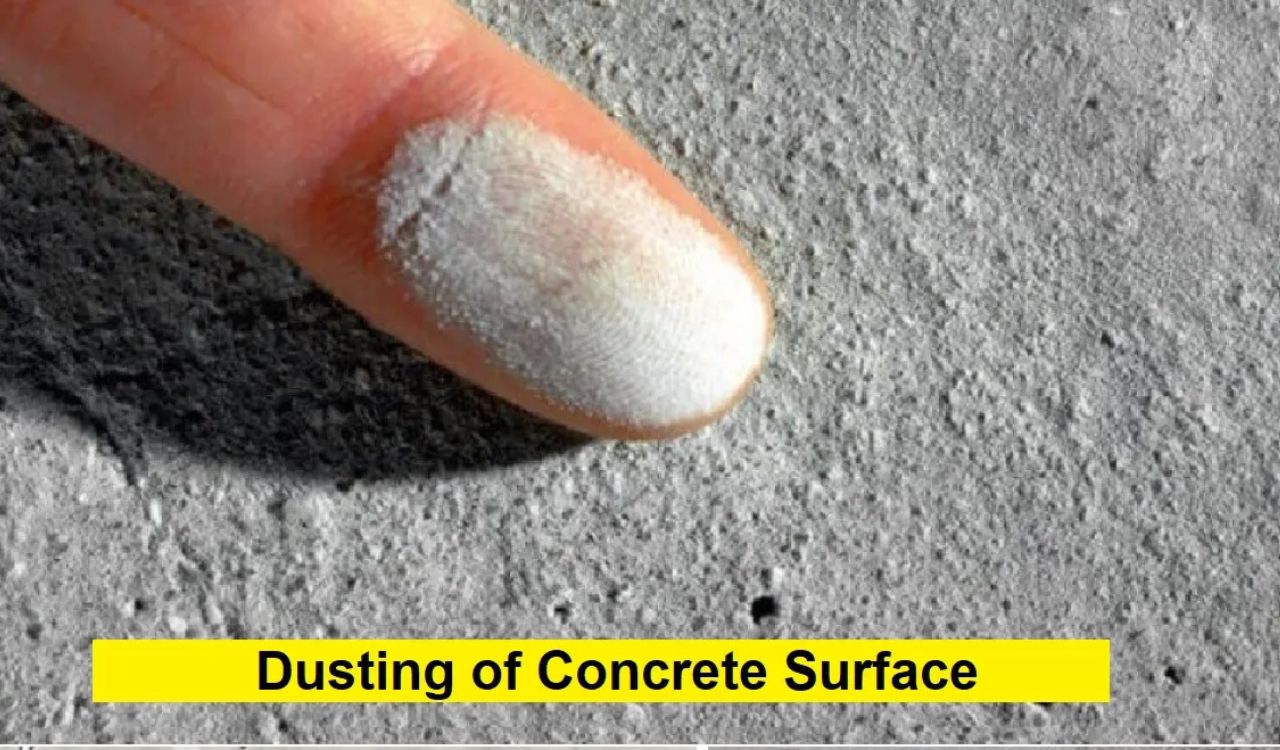
When water accumulates at the surface, it can increase the risk of a weak surface layer if the water is incorporated into the concrete during finishing. Excess surface water can also interfere with finishing operations and contribute to undesirable surface characteristics.
Bleeding can become particularly problematic when concrete is placed on large horizontal surfaces or when finishing begins before bleeding has adequately subsided.
Therefore, reducing unnecessary water movement is an important part of controlling fresh-concrete performance.
How Segregation Affects Concrete Quality
Segregation can cause the ingredients of concrete to become unevenly distributed.
For example, coarse aggregate may concentrate in one area while cement paste and finer materials move toward another. This can result in inconsistent density, workability, surface appearance, and mechanical performance.
Segregation can also create difficulties during pumping and placement because the concrete may no longer behave as a uniform material.
A stable mixture should maintain adequate cohesion while still providing the workability required for transportation, placement, and consolidation.
How Admixture Technology Helps Control Bleeding and Segregation
Admixtures do not replace proper concrete mix design. Instead, they can be used as part of a controlled system to modify specific fresh and hardened concrete properties.
The most useful technologies depend on the cause of instability.
Water-Reducing Admixtures
Water-reducing admixtures can reduce the amount of mixing water required to achieve a desired level of workability.
Reducing unnecessary water can help lower the water-to-cementitious-material ratio and improve the overall stability of the mixture.
However, dosage must be carefully controlled. Some water-reducing admixtures can influence bleeding behavior depending on cement chemistry, mixture proportions, temperature, and dosage.
Therefore, simply increasing admixture dosage is not an appropriate solution to every bleeding problem.
High-Range Water Reducers
High-range water reducers, including polycarboxylate ether (PCE) technologies, can provide substantial water reduction while maintaining the required flow or slump.
They are particularly useful when concrete requires high workability without adding excess water.
However, high fluidity does not automatically mean high stability. A highly flowable mixture may still require appropriate paste volume, aggregate grading, and rheology control.
The admixture and concrete proportions should therefore be evaluated together.
Viscosity-Modifying Admixtures
Viscosity-modifying admixtures (VMAs) can improve the cohesion and stability of concrete.
They can be useful when a mixture needs to remain highly flowable while limiting segregation and uncontrolled movement of water or aggregate.
VMAs are particularly relevant to specialized concrete systems where conventional adjustments to water or aggregate proportions may not provide the required balance between flowability and stability.
Their use should be based on laboratory and field testing because excessive viscosity can make concrete difficult to place, pump, or finish.
Air-Entraining Admixtures
Air-entraining admixtures intentionally introduce a controlled system of microscopic air voids into concrete.
The presence of appropriately distributed air can influence workability and cohesion and may help improve resistance to certain fresh-concrete stability problems.
Air content must remain within the range appropriate for the application. Excessive air can negatively affect strength, while insufficient or unstable air may fail to provide the intended performance.
The Importance of Concrete Mix Proportions
Admixtures work within the complete concrete mixture rather than independently.
If the aggregate grading is poor or the mixture contains insufficient fines, an admixture may not fully correct the resulting instability.
Important mix-design factors include:
- Water-to-cementitious-material ratio
- Aggregate size distribution
- Fine aggregate content
- Cementitious material content
- Paste volume
- Admixture dosage
- Air content
- Required slump or flow
- Placement method
For example, a pumped concrete mixture may require different rheological characteristics from a conventional slab mixture.
This is why admixture selection should begin with the performance requirements of the concrete rather than simply selecting a product based on its chemical category.
Controlling Excess Water in Concrete
One of the most important steps to reduce excessive bleeding is controlling unnecessary water.
Adding water at the jobsite to restore lost slump can increase the water-to-cementitious-material ratio and alter the intended mix design.
A better approach may involve selecting an appropriate water-reducing or workability-retaining admixture, depending on the application and the reason for slump loss.
Concrete producers should also consider transportation time, ambient temperature, cement characteristics, aggregate moisture, and batching accuracy when evaluating water demand.
Admixture Compatibility Matters
Different cementitious materials and admixtures can interact differently.
The same admixture dosage may produce different results when used with different cement sources, supplementary cementitious materials, aggregate systems, or water qualities.
Compatibility testing should therefore evaluate properties such as:
- Initial and final setting time
- Slump or flow
- Slump retention
- Bleeding
- Air content
- Segregation resistance
- Early strength
- Hardened strength
- Surface finish
For complex concrete systems, trial batches can reveal interactions that may not be obvious from product specifications alone.
Practical Steps to Reduce Bleeding and Segregation
A systematic approach can help identify and control fresh-concrete instability.
1. Review the Water Content
Check whether the mixture contains more water than necessary to achieve the required workability.
2. Evaluate Aggregate Grading
Poor aggregate distribution can reduce packing efficiency and increase the risk of segregation.
3. Check Admixture Dosage
Both under-dosing and over-dosing can produce undesirable results. The dosage should be established through testing under representative conditions.
4. Evaluate Mix Cohesion
If concrete needs high flow but lacks stability, a viscosity-modifying technology may be worth evaluating.
5. Test Cement-Admixture Compatibility
Changes in cement source or supplementary cementitious materials can alter admixture performance.
6. Control Placement and Consolidation
Excessive vibration can contribute to segregation even when the concrete mixture itself is properly designed.
7. Monitor Field Conditions
Temperature, transportation time, moisture variation, and handling practices can change concrete behavior between the laboratory and construction site.
Admixture Selection for Different Concrete Applications
Different applications may require different approaches to bleeding and segregation control.
Ready-Mix Concrete
Ready-mix concrete may need to maintain workability during transportation while remaining cohesive during placement. Water reducers and workability-retaining technologies can be important depending on the required delivery time and environmental conditions.
Pumped Concrete
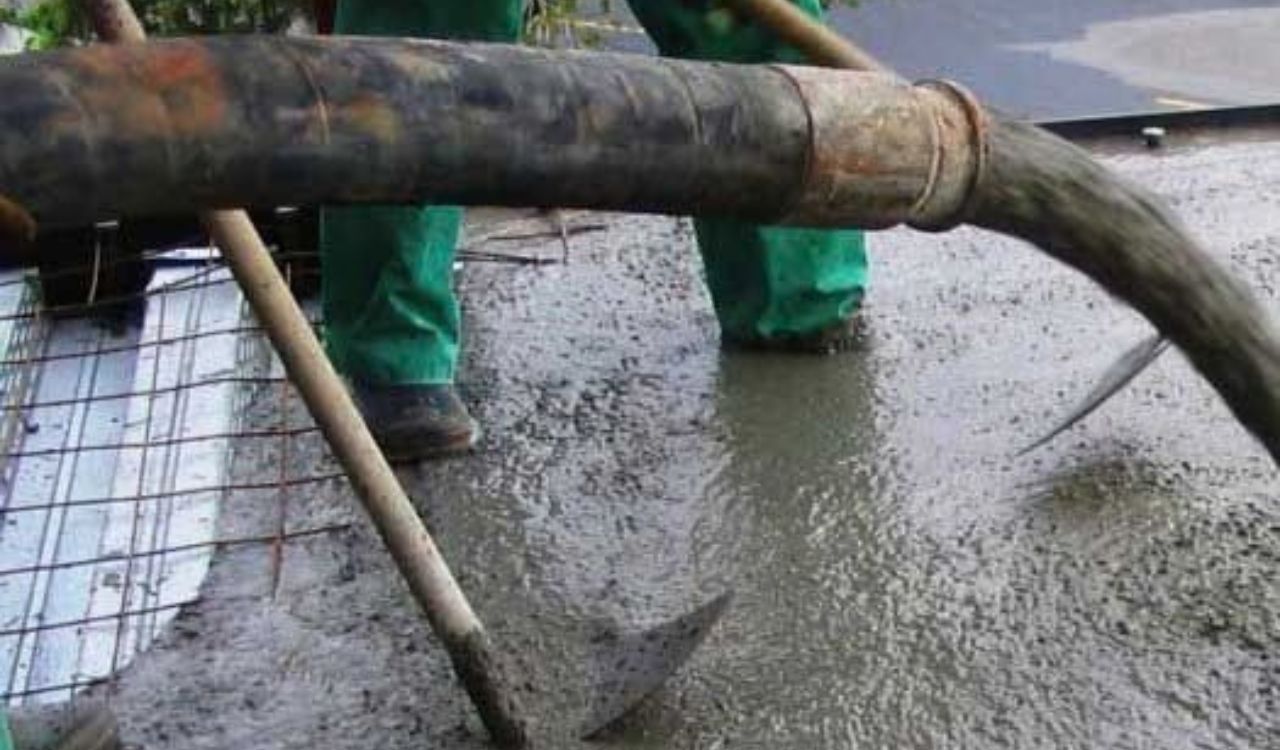
Pumpable concrete requires a suitable balance of flowability, cohesion, and lubrication. Excessive segregation can interfere with pumping and create inconsistent placement.
Precast Concrete
Precast production often requires predictable filling, surface quality, early strength, and rapid production cycles. Admixture selection should therefore consider both stability and manufacturing requirements.
Self-Consolidating Concrete
Self-consolidating concrete requires very high flowability without excessive segregation. Rheology-modifying technologies can be particularly important for maintaining stability while allowing concrete to flow around reinforcement without conventional vibration.
Testing Is Essential Before Full-Scale Application
Laboratory testing is one of the most reliable ways to determine whether an admixture system is suitable for a specific concrete mixture.
Testing should use the actual or representative cementitious materials, aggregates, water, and admixture combination whenever possible.
Important observations include slump or flow, visual stability, bleeding behavior, setting characteristics, air content, and strength development.
Field trials are also valuable because transportation, temperature, mixing equipment, and placement conditions can influence performance.
A formulation that performs well under controlled laboratory conditions may require adjustment before full-scale production.
Avoiding Common Mistakes
Several mistakes can make bleeding and segregation worse.
One common mistake is adding more water to improve workability. This may temporarily increase slump but can negatively affect the intended water-to-cementitious-material ratio.
Another mistake is increasing admixture dosage without understanding the cause of the instability. More admixture does not necessarily mean better concrete performance.
It is also important not to treat bleeding or segregation as purely an admixture problem. Aggregate grading, paste volume, water content, mixing, transportation, and placement practices all contribute to fresh-concrete behavior.
Choosing an Admixture Strategy
The right strategy depends on what is causing the instability and what the concrete needs to achieve.
A practical evaluation can follow this sequence:
- Identify whether the primary issue is bleeding, segregation, or both.
- Review water content and water-to-cementitious-material ratio.
- Examine aggregate grading and paste volume.
- Determine the required slump or flow.
- Review existing admixture dosage and compatibility.
- Select an appropriate admixture technology.
- Conduct laboratory trial batches.
- Validate performance under field conditions.
- Monitor production consistency.
This approach helps avoid treating the symptom without addressing the underlying mix-design issue.
Conclusion
Reducing concrete bleeding and segregation requires more than selecting a particular chemical admixture. The best results come from balancing water content, aggregate grading, paste characteristics, workability, rheology, admixture dosage, and placement conditions.
Water-reducing admixtures can help control unnecessary water demand, while high-range water reducers can provide flow without relying on additional water. Viscosity-modifying and air-entraining technologies can also contribute to fresh-concrete stability when appropriately selected and dosed.
For concrete producers and construction professionals, admixture performance should always be evaluated within the complete mix system. Careful compatibility testing, trial batching, and field monitoring can help create concrete that remains cohesive, workable, and consistent from mixing through placement.
For manufacturers and industrial buyers evaluating concrete admixture solutions, understanding these interactions can also make product selection and quality-control decisions more effective. Luke Chemicals can be considered as part of a broader evaluation of admixture technologies based on the required concrete performance and application conditions.
FAQs
What is the difference between bleeding and segregation in concrete?
Bleeding is the upward movement of water toward the concrete surface, while segregation is the separation of concrete ingredients such as coarse aggregate, mortar, and paste.
Can admixtures prevent concrete bleeding completely?
Not necessarily. Admixtures can help control bleeding, but performance also depends on water content, aggregate grading, paste characteristics, cementitious materials, and construction practices.
Which admixture can help reduce concrete segregation?
Viscosity-modifying admixtures can improve cohesion and stability in certain concrete mixtures. Water-reducing and high-range water-reducing admixtures may also contribute to better stability when properly selected and dosed.
Does adding more water increase concrete bleeding?
Excessive water can increase the potential for bleeding and can also increase the water-to-cementitious-material ratio, potentially affecting strength and durability.
Can high-range water reducers cause segregation?
They can influence concrete rheology and, depending on the mix, dosage, and materials, excessive fluidity may create stability problems. Trial testing is important to establish the appropriate dosage.
How can concrete producers test bleeding and segregation?
Producers can evaluate slump or flow, visual stability, bleeding behavior, air content, setting time, and strength through laboratory trial batches and representative field trials.
Why is admixture compatibility important?
Cementitious materials, aggregates, water, and chemical admixtures can interact differently from one concrete system to another. Compatibility testing helps determine whether the selected admixture provides consistent performance at the required dosage.