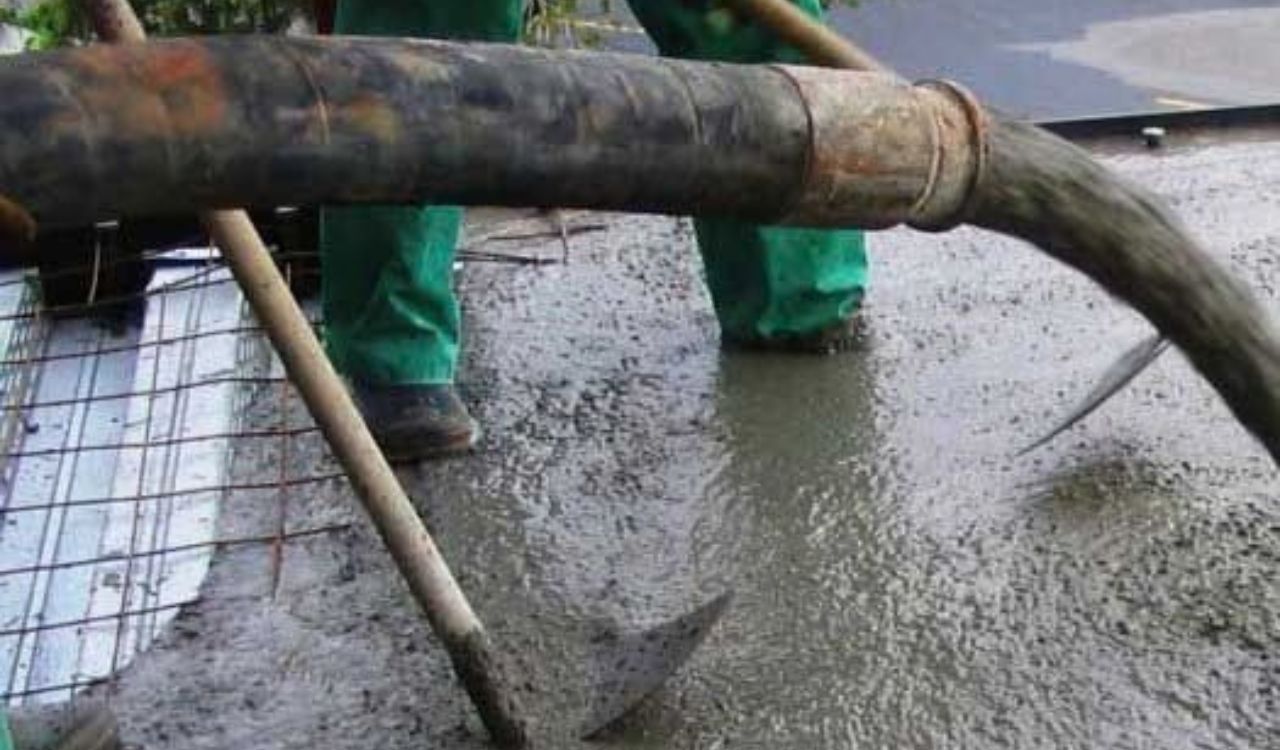
Choosing an accelerating admixture is not simply a matter of selecting the product that provides the fastest setting time. The right product must match the concrete mixture, construction method, environmental conditions, required early strength, reinforcement requirements, and project schedule.
An accelerator that performs well in a precast factory may not be the best choice for a tunnel shotcrete application. Likewise, a formulation suitable for unreinforced concrete may not be appropriate for reinforced or prestressed structures.
The selection process should therefore begin with the performance requirement, followed by evaluation of the concrete materials, application conditions, admixture chemistry, dosage, compatibility, and quality-control requirements.
For engineers, contractors, ready-mix producers, and industrial buyers, this approach helps achieve predictable setting and early strength without creating unnecessary workability or durability problems.
Why Selecting the Right Accelerating Admixture Matters
Accelerating admixtures are used when concrete needs to set or develop early strength faster than under normal conditions. They are particularly useful in cold-weather concreting, precast concrete production, shotcrete and tunneling, emergency repairs, fast-track construction, industrial flooring, early formwork removal, and projects requiring rapid reopening or loading.
However, acceleration is only one aspect of overall concrete performance. The right product should achieve the required setting time or early-strength development while maintaining workability, adequate placement time, compressive strength, durability, compatibility with other materials, appropriate air content, surface quality, and long-term performance.
Therefore, selecting an accelerating admixture should be treated as part of the overall concrete mix-design process, rather than simply as a chemical purchasing decision.
Step 1: Define What You Need the Accelerator to Achieve
The first question should be:
What problem is the accelerating admixture supposed to solve?
Different projects have different performance targets.
Faster Setting
If the primary objective is to reduce the time required for concrete to lose plasticity, the selection should focus on setting acceleration.
This can be important when:
- Finishing operations must begin earlier
- Shotcrete needs rapid adhesion
- Concrete is being placed in cold conditions
- Construction sequences require shorter waiting periods
Faster Early Strength
Some projects are less concerned with the exact setting time and more concerned with how quickly concrete reaches a specified strength.
This is important for:
- Formwork removal
- Precast demolding
- Early loading
- Rapid road repairs
- Bridge repairs
- Fast-track construction
Setting acceleration and early strength development are related but should not be treated as identical properties.
Both Setting and Strength
Certain applications require a balance between rapid setting and early strength development.
In such cases, product selection should be based on laboratory performance data rather than a single setting-time value.
Step 2: Consider the Concrete Application
The application method strongly influences which accelerator is appropriate.
| Application | Important Selection Considerations |
| Ready-mix concrete | Setting time, transport time, dosage control, compatibility |
| Precast concrete | Early strength, demolding cycle, repeatability |
| Cold-weather concrete | Temperature response, early strength, frost protection |
| Wet-mix shotcrete | Liquid dosing, rapid setting, rebound, early strength |
| Dry-mix shotcrete | Powder handling, uniform distribution, setting behavior |
| Tunnel construction | Rapid setting, adhesion, durability, worker exposure |
| Emergency repairs | Very early strength, workability, reopening time |
| Industrial floors | Setting control, finishing window, surface quality |
A product designed for one application should not automatically be assumed to be optimal for another.
Step 3: Check the Concrete Temperature and Environment
Temperature is one of the most important factors influencing cement hydration and the performance of accelerating admixtures. Cold conditions can slow hydration, resulting in longer setting times and delayed early-strength development.
An accelerator can help offset some of these effects, but it should be used alongside proper temperature control, protection, and curing practices. Before selecting an accelerating admixture, engineers should evaluate the minimum expected concrete temperature, ambient temperature range, wind exposure, humidity, curing conditions, duration of cold exposure, and the potential for freezing.
The selected product should then be evaluated through trial mixes under conditions that closely represent the actual jobsite environment to confirm its setting-time, workability, and strength performance.
Step 4: Determine Whether the Concrete Contains Reinforcement
Reinforcement is a critical consideration when selecting accelerator chemistry.
Historically, calcium chloride has been used as an effective accelerator. However, chloride ions can increase the risk of corrosion of embedded steel under suitable exposure conditions.
For reinforced or prestressed concrete, project specifications may therefore restrict chloride-containing accelerating admixtures.
In such applications, engineers commonly evaluate non-chloride accelerating admixtures or other approved formulations.
The decision should be based on:
- Reinforcement type
- Exposure conditions
- Project specifications
- Applicable standards
- Required durability
- Manufacturer technical data
The objective is not merely to accelerate hydration but to do so without compromising reinforcement protection.
Step 5: Choose Between Chloride and Non-Chloride Chemistry
The accelerator’s chemical composition has a direct influence on where it can be used.
Chloride-Based Accelerators
Calcium chloride is a well-established accelerator with strong acceleration characteristics.
Potential advantages include:
- Effective acceleration
- Rapid early strength development
- Relatively simple chemistry
- Established use history
However, chloride-related reinforcement corrosion is an important limitation.
For this reason, chloride-containing accelerators may be unsuitable for many reinforced or prestressed concrete applications.
Non-Chloride Accelerators
Non-chloride formulations are often preferred where reinforcement corrosion is a concern.
Depending on their chemistry, they can provide:
- Earlier strength development
- Reduced chloride exposure
- Suitability for reinforced concrete
- Better alignment with project restrictions
Examples of accelerator chemistries used in the industry include calcium formate and other non-chloride systems.
The correct formulation should always be selected according to the manufacturer’s technical information and project requirements.
Step 6: Consider Whether You Need a Liquid or Powder Accelerator
Physical form is particularly important in shotcrete and specialized construction.
Liquid Accelerators
Liquid products can offer precise dosing and are particularly useful in automated batching and wet-mix shotcrete systems.
Potential advantages include:
- Consistent metering
- Easy integration with dosing equipment
- Good control of accelerator addition
- Suitability for continuous spraying operations
However, storage temperature, handling, equipment compatibility, and product stability need to be considered.
Powder Accelerators
Powder formulations can be useful for dry-mix applications and locations where liquid dosing equipment is unavailable.
Potential advantages include:
- Easier transportation in certain applications
- Convenient dry storage
- Suitability for dry-mix shotcrete
- Practical use in remote construction environments
However, accurate dispersion and dosage control are essential.
The choice between liquid and powder should therefore be based on the concreting method and dosing system, not simply product price.
Step 7: Evaluate Alkaline vs. Alkali-Free Accelerators for Shotcrete
Shotcrete applications require additional consideration because accelerator selection affects setting, adhesion, rebound, early strength, and working conditions.
Alkaline Accelerators
Traditional alkaline accelerator systems can provide rapid setting and are used in certain shotcrete applications.
However, their higher alkalinity can create concerns related to:
- Worker handling
- Rebound
- Dust
- Long-term concrete performance
- Environmental exposure
Alkali-Free Accelerators
Alkali-free accelerator systems are widely used where reduced alkali content and improved shotcrete performance are important.
They can be particularly relevant to:
- Tunnel construction
- Underground works
- Mining
- Slope stabilization
- Structural shotcrete
TJCY’s competitor analysis similarly identifies application method, environmental conditions, performance goals, and regulatory requirements as major selection criteria for accelerator type.
For shotcrete, the accelerator should be selected together with the spraying equipment, cement system, and complete concrete formulation.
Step 8: Check Cement Compatibility
An accelerating admixture does not work independently of the cement system or other chemical admixtures in the concrete. Different cement types and chemistries can respond differently to the same product, depending on factors such as cement composition, fineness, C₃A content, sulfate balance, supplementary cementitious materials, water-cement ratio, concrete temperature, and other chemical admixtures.
As a result, an accelerator that performs well with one cement source or admixture combination may produce different setting and strength results with another.
The most reliable approach is to test the accelerator using the actual cement, materials, and chemical admixtures planned for production to confirm compatibility and performance.
Step 9: Check Compatibility With Other Admixtures
Modern concrete frequently contains several admixtures in one mix.
An accelerator may be used alongside:
- Water reducers
- Superplasticizers
- Polycarboxylate ether admixtures
- Air-entraining agents
- Retarding admixtures
- Corrosion inhibitors
- Shrinkage-reducing admixtures
- Supplementary cementitious materials
These components can interact and change concrete behavior.
Potential issues include:
- Unexpectedly rapid setting
- Loss of slump
- Reduced slump retention
- Changes in air content
- Inconsistent strength development
- Poor finishing behavior
Therefore, admixtures should not be combined solely based on their individual performance claims.
The complete concrete mixture needs to be tested.
Step 10: Establish the Required Dosage
Dosage is a critical factor when selecting and applying an accelerating admixture because the required amount depends on the specific concrete system and project conditions.
Cement content, cement type, concrete temperature, target setting time, required early strength, accelerator chemistry, other admixtures, and the application method can all influence the appropriate dosage.
A higher dosage does not necessarily produce better concrete; excessive acceleration may result in very limited working time, placement difficulties, poor finishing, rapid slump loss, and a greater risk of defects.
Instead of choosing a product based only on its maximum acceleration capability, the goal should be to determine the lowest practical dosage that consistently achieves the required setting and early-strength performance while maintaining adequate workability and placement time.
Step 11: Consider Workability and Placement Time
If an accelerator causes concrete to stiffen before placement and finishing are complete, it can create more problems than it solves.
Therefore, consider initial slump, slump loss, transport time, placement method, pumping distance, finishing requirements, and expected setting time before selecting the dosage. This is especially important for ready-mix concrete, where transportation and site delays can vary significantly.
Step 12: Evaluate Early and Later-Age Strength
A good accelerator should not be judged exclusively by early compressive strength.
Testing should consider both early and later ages.
A typical evaluation may include:
| Test | What It Helps Determine |
| Initial setting time | Available finishing and placement window |
| Final setting time | Overall setting acceleration |
| 6-hour strength | Very early performance |
| 1-day strength | Early construction milestones |
| 3-day strength | Short-term strength development |
| 7-day strength | Intermediate performance |
| 28-day strength | Standard later-age strength assessment |
The exact testing schedule should be established according to the project requirements and applicable standards.
Step 13: Consider Durability Requirements
The fastest accelerator is not always the best choice for a durable concrete structure. Selection should consider chloride exposure, freeze-thaw conditions, sulfate exposure, water penetration, reinforcement corrosion, shrinkage, cracking, and long-term strength.
Reinforced concrete exposed to chloride-rich environments, for example, requires careful attention to corrosion protection, unlike temporary unreinforced concrete. Therefore, the accelerator should be evaluated as part of the overall concrete durability strategy, not solely for its ability to reduce setting time.
Step 14: Match the Accelerator to the Project Schedule
The economic value of an accelerator often comes from time savings.
Consider exactly where accelerated concrete performance creates value.
For example:
Precast Production
Earlier strength can allow faster demolding and increase the number of production cycles.
Road Repairs
Early strength can potentially reduce the time required before reopening a repaired area.
Cold-Weather Construction
Earlier hydration and strength development can help maintain the construction schedule when low temperatures would otherwise slow progress.
Formwork-Dependent Construction
Earlier achievement of required strength can help support faster formwork cycling, provided structural requirements are satisfied.
The selection should therefore consider cost per cubic meter plus the value of time saved, rather than admixture price alone.
A Practical Selection Matrix
The following framework can help narrow down the appropriate accelerator category.
| Project Requirement | Selection Priority |
| Cold-weather concrete | Temperature response + early strength |
| Reinforced concrete | Non-chloride chemistry where required |
| Prestressed concrete | Chloride restrictions + compatibility |
| Precast production | Early strength + repeatability |
| Wet-mix shotcrete | Liquid dosing + rapid setting |
| Dry-mix shotcrete | Powder handling + uniform dispersion |
| Tunnel construction | Setting speed + alkali level + durability |
| Emergency repair | Very early strength + reopening requirements |
| Long transport time | Setting control + adequate working time |
| High-performance concrete | Compatibility with superplasticizers |
| Fast formwork cycles | Early compressive strength |
| Aggressive exposure | Durability + reinforcement protection |
Why Trial Batching Is Essential
No accelerator should be selected for full-scale production based only on a product brochure.
Trial batching allows engineers to evaluate the actual interaction between the accelerator and the complete concrete system.
A useful trial program should compare:
- Control concrete without accelerator
- One or more accelerator dosages
- Different temperatures where relevant
- Actual cement
- Actual aggregates
- Other admixtures
- Target water-cement ratio
Measure setting time, workability, air content where relevant, early strength, and later-age strength.
This approach can identify compatibility problems before they become expensive field problems.
Luke Chemicals’ existing admixture guidance also recommends trial batches and compatibility testing before full-scale production.
Common Mistakes When Choosing an Accelerating Admixture
Choosing Only by Price
A low-cost accelerator may become expensive if it causes inconsistent setting, poor workability, or additional construction delays.
Choosing the Fastest Product
The fastest setting time is not always desirable.
Concrete still needs enough time for transportation, placement, consolidation, and finishing.
Ignoring Reinforcement
Chloride-containing chemistry should not be selected for reinforced applications without checking project requirements and applicable restrictions.
Using the Same Dosage Everywhere
Dosage requirements change with temperature, cement chemistry, mix proportions, and other admixtures.
Skipping Compatibility Testing
An accelerator that works independently may behave differently when combined with a superplasticizer or other chemical admixture.
Ignoring Curing
Acceleration does not replace proper curing.
Temperature and moisture control remain essential for developing the desired concrete properties.
How to Select the Right Accelerator: A Simple Decision Process
A practical selection process can be reduced to seven stages:
1. Define the performance target
Decide whether the priority is faster setting, early strength, or both.
2. Identify the application
Determine whether the concrete is conventional, precast, shotcrete, repair concrete, or another specialized system.
3. Assess environmental conditions
Consider temperature, humidity, curing conditions, and exposure.
4. Check reinforcement requirements
Determine whether chloride-containing chemistry is permitted.
5. Verify compatibility
Test the accelerator with the actual cement and other admixtures.
6. Establish dosage through trials
Select the dosage that achieves the required performance without unnecessarily shortening working time.
7. Validate under field conditions
Confirm that laboratory results translate into predictable jobsite performance.
Where Luke Chemicals Fits Into Accelerator Selection
For manufacturers, contractors, and concrete producers, selecting an accelerator should begin with the required concrete performance rather than a particular product name.
Luke Chemicals provides technical information across its broader concrete admixture portfolio, including guidance on accelerator selection, water reducers, chemical admixtures, expansion control, and corrosion protection. Its existing accelerator guidance can serve as a supporting resource when evaluating cold-weather and early-strength requirements.
The most appropriate product should ultimately be confirmed through project-specific testing with the actual cementitious system, aggregates, temperature, and accompanying admixtures.
Conclusion
Choosing the right accelerating admixture requires more than comparing setting-time claims or selecting the lowest-cost product. The correct solution must match the concrete mixture, construction method, environmental conditions, reinforcement requirements, early-strength target, workability requirements, and project schedule.
The most important factors are the desired performance outcome, cement compatibility, temperature, accelerator chemistry, dosage, application method, and interaction with other admixtures.
For reinforced concrete, chloride considerations deserve particular attention. For shotcrete, physical form and alkali content can become important selection criteria. For precast and rapid-repair applications, early-age strength and production-cycle requirements may be the dominant factors.
Ultimately, the most reliable selection process is:
Define the requirement → evaluate the concrete system → select suitable chemistry → conduct trial batches → optimize dosage → validate field performance.
This systematic approach helps engineers, contractors, manufacturers, and industrial buyers obtain the acceleration they need without sacrificing workability, durability, or long-term concrete performance.
Frequently Asked Questions
What is the best accelerating admixture for concrete?
There is no single best accelerator for every project. The appropriate product depends on the required setting time, early strength, temperature, reinforcement, concrete composition, application method, and compatibility with other admixtures.
How do I choose an accelerator for reinforced concrete?
Start by checking whether the project permits chloride-containing admixtures. Where chloride restrictions apply, a suitable non-chloride accelerator should be evaluated. The selected product should also be tested for compatibility with the actual cement and other admixtures.
What accelerator is suitable for cold-weather concrete?
Accelerators designed for low-temperature performance can help compensate for slower cement hydration. Selection should consider the expected concrete temperature, required early strength, dosage, cement chemistry, and curing conditions rather than temperature alone.
Should I choose a liquid or powder accelerator?
The choice depends largely on the application and dosing system. Liquid accelerators are often convenient for controlled dosing and wet-mix shotcrete, while powder products can be practical for dry-mix systems and certain remote applications.