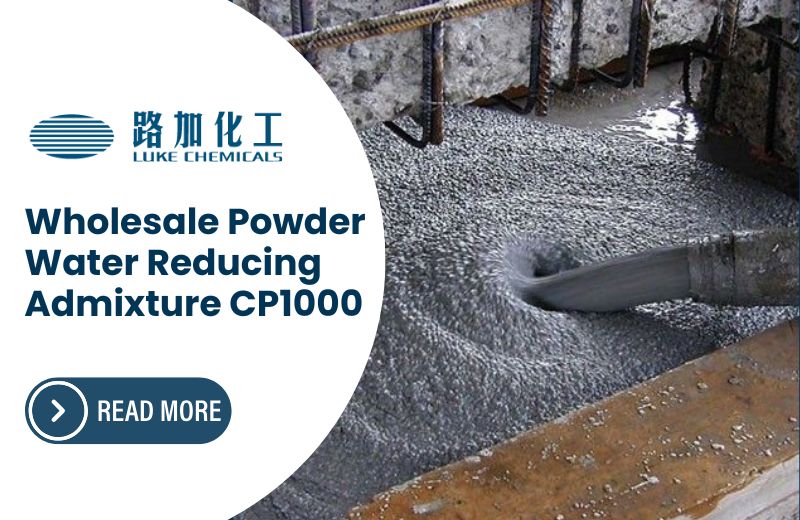
CP1000 is one of the most searched products among powder-based concrete admixtures, especially by buyers looking to import in bulk. If you work in construction materials sourcing, ready mix supply, or dry mix mortar manufacturing, understanding what CP1000 actually is, how it performs, and what to check before placing a wholesale order can save you from costly mismatches in quality or application.
This guide breaks down the chemistry, performance data, applications, and buying considerations for CP1000, written for people who need practical, technical clarity rather than sales copy.
What Is CP1000 Powder Water Reducing Admixture
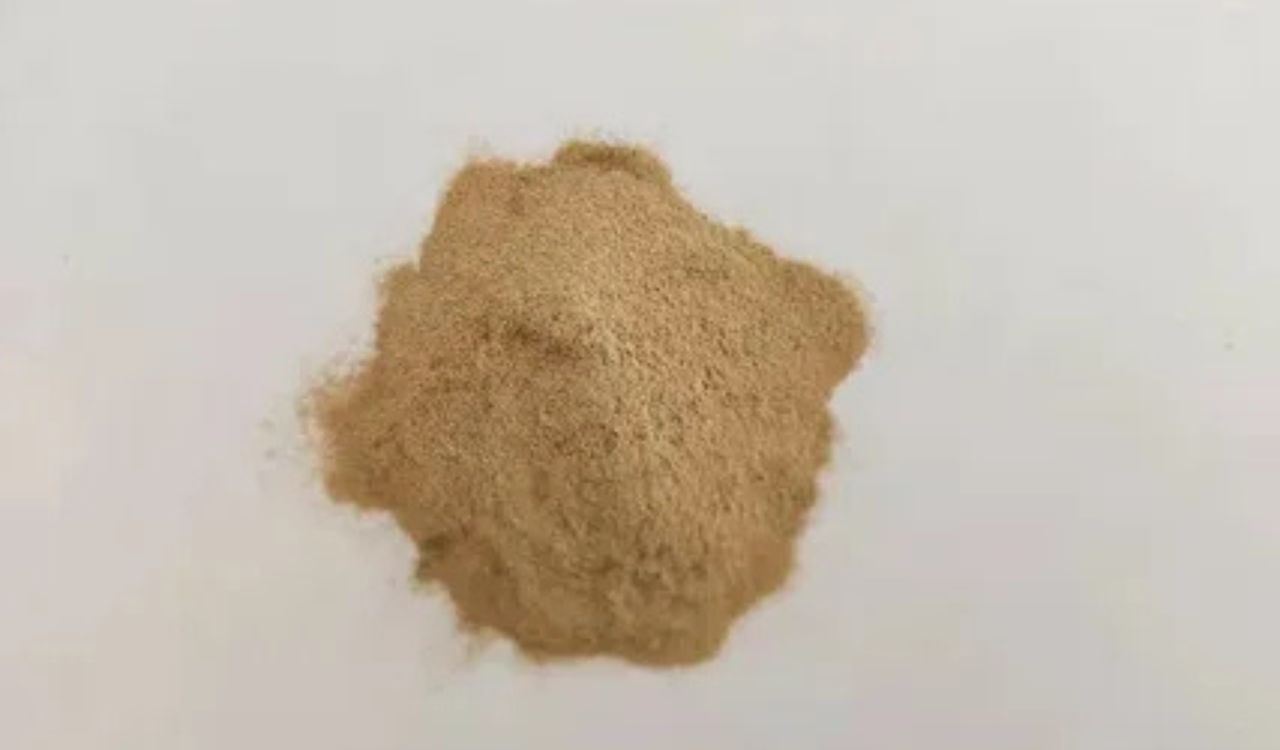
CP1000 is a melamine-based superplasticizer, chemically known as sulfonated melamine formaldehyde, often shortened to SMF. It is supplied as a powder and used as a high-range water-reducing agent in concrete, mortar, and gypsum-based systems.
Unlike liquid admixtures, CP1000 is a solid product, which makes it easier to store, transport, and blend directly into dry mix formulations. This is one reason it remains popular with manufacturers producing tile adhesives, self-leveling compounds, and pre-bagged mortar products.
How CP1000 Works
CP1000 functions through an adsorption and dispersion mechanism. As a water-soluble anionic polymer, it attaches to cement particles and creates a repelling effect between them. This breaks up the clumping tendency of cement grains and releases water that would otherwise be trapped inside those clumps.
The result is more free water available to improve workability, without needing to add extra mixing water. This is what allows the water-to-cement ratio to drop while flowability stays high, which directly improves long-term strength and durability once the concrete or mortar cures.
Key Technical Properties
Buyers evaluating CP1000 for wholesale purchase typically look at the following performance indicators. Water reduction rate generally falls between 20 and 30 percent, placing it in the high range water reducer category.
CP1000 is non-air entraining, meaning it does not introduce additional air bubbles into the mix. This matters because excess entrained air can weaken compressive strength if not properly controlled. Chloride ion content is low, which is an important detail for any application involving steel reinforcement, since chlorides are a known trigger for corrosion in rebar over time.
Setting time is classified as normal, so CP1000 does not significantly accelerate or delay hydration compared to a plain mix.
Where CP1000 Is Used
- CP1000 shows up across a wider range of applications than many buyers initially expect.
- In concrete production, it is used to improve flow and reduce water demand in structural pours.
- In dry mix mortar, it supports better workability in plastering compounds and floor hardeners.
- In grouting materials, it improves flowability for applications that need to fill tight spaces without segregation.
- In gypsum-based products, including gypsum plaster, gypsum molds, and self-leveling compounds, CP1000 helps reduce porosity, which increases density and improves compressive and flexural resistance.
This range of uses is part of why CP1000 remains a common request among formulators working across both cementitious and gypsum-based product lines.
CP1000 Compared to Other Water Reducer Types
Powder water reducers on the market generally fall into three chemical families: naphthalene-based, melamine-based, and polycarboxylate-based.
Naphthalene-based reducers are cost-effective and widely used but typically offer a lower water reduction rate than melamine or polycarboxylate types.
Melamine-based products like CP1000 sit in the middle range, offering solid water reduction performance with good compatibility across cement-based and gypsum-based systems.
Polycarboxylate ether, or PCE, based reducers generally deliver the highest water reduction rates and better slump retention over time, though usually at a higher cost per dose.
Choosing between these depends on the target application, budget, and whether slump retention over several hours is a priority for the project.
Dosage and Handling
Most powder water reducers, including CP1000, are used at a dosage range of roughly 0.5 to 2 percent of total cementitious material weight, though the exact figure depends on the target strength, mix design, and supplier specification sheet. Since dosage directly affects both cost and performance, it is worth requesting the technical data sheet from any supplier before finalizing an order, rather than relying on general industry ranges.
As a powder, CP1000 should be stored in a dry, sealed environment to prevent moisture absorption, which can affect dispersion performance and shelf life.
Standards and Compliance to Check
When sourcing CP1000 or similar admixtures for export or distribution, it is worth confirming which standards the product has been tested against. Common reference standards in this category include GB8076 2008 for concrete admixtures in China, and ASTM C494 for water reducing and accelerating admixtures internationally. Asking for third-party test reports against these standards gives a clearer picture of consistency than relying on marketing claims alone.
What to Check Before Buying Wholesale
- For importers, distributors, and formulators sourcing CP1000 in bulk, a few checks go a long way toward avoiding quality issues down the line.
- Ask for a current certificate of analysis showing water reduction rate, chloride content, and solid content for the specific batch, not just a general product brochure.
- Request a small trial batch before committing to a full container order, especially if this is a new supplier relationship.
- Confirm packaging format, since powder admixtures are typically supplied in bags with specific moisture protection, and packaging quality affects product performance on arrival.
- Clarify minimum order quantities and lead times early, since powder admixture production runs are often batch-based rather than continuous.
Summary
CP1000 remains a practical choice for manufacturers and contractors who need a reliable, moderate-cost water reducer that works across concrete, mortar, and gypsum-based systems. The right choice ultimately comes down to matching the product’s water reduction rate and compatibility to your specific formulation, rather than choosing based on price alone.
Luke Chemicals manufactures a range of water-reducing admixtures, including naphthalene-based and polycarboxylate-based options, for buyers looking to compare performance across different chemistries before finalizing a wholesale order.
Frequently Asked Questions
What is CP1000 powder water-reducing admixture made of?
CP1000 is a sulfonated melamine formaldehyde-based product, commonly known as a melamine superplasticizer. It is a water soluble anionic polymer supplied in powder form.
Is CP1000 suitable for use in gypsum-based products?
Yes. CP1000 is used in gypsum plaster, gypsum molds, and self-leveling compounds. It helps reduce porosity and increase density, which improves compressive and flexural strength in these applications.
What is the typical water reduction rate of CP1000?
CP1000 generally delivers a water reduction rate between 20 and 30 percent, which places it in the high range water reducer category.
Does CP1000 affect the corrosion resistance of steel reinforcement?
CP1000 has low chloride ion content, so it does not contribute to corrosion in steel reinforcement when used at the recommended dosage.
How does CP1000 compare to naphthalene-based or polycarboxylate-based water reducers?
CP1000 generally performs better than naphthalene-based reducers in terms of water reduction rate, but slightly below polycarboxylate ether-based products, especially for long-term slump retention. The right choice depends on application needs and budget.
What is the recommended dosage for CP1000?
Dosage typically falls between 0.5 and 2 percent of total cementitious material weight, though the exact rate depends on mix design and supplier specification. Always confirm dosage against the technical data sheet for the specific batch.
Does CP1000 introduce air into the concrete mix?
No. CP1000 is a non-air-entraining admixture, meaning it does not add extra air bubbles that could otherwise reduce compressive strength if not properly controlled.
How should CP1000 powder be stored?
CP1000 should be stored in a dry, sealed environment. Moisture exposure can affect its dispersion performance and shorten shelf life.
What should buyers request before placing a wholesale order for CP1000?
Buyers should request a current certificate of analysis for the specific batch, ask for a small trial order before a full container purchase, and confirm packaging and lead times with the supplier in advance.
Which standards is CP1000 typically tested against?
Common reference standards include GB8076 2008 for concrete admixtures and ASTM C494 for water reducing and accelerating admixtures. Requesting third-party test reports against these standards helps verify consistency.