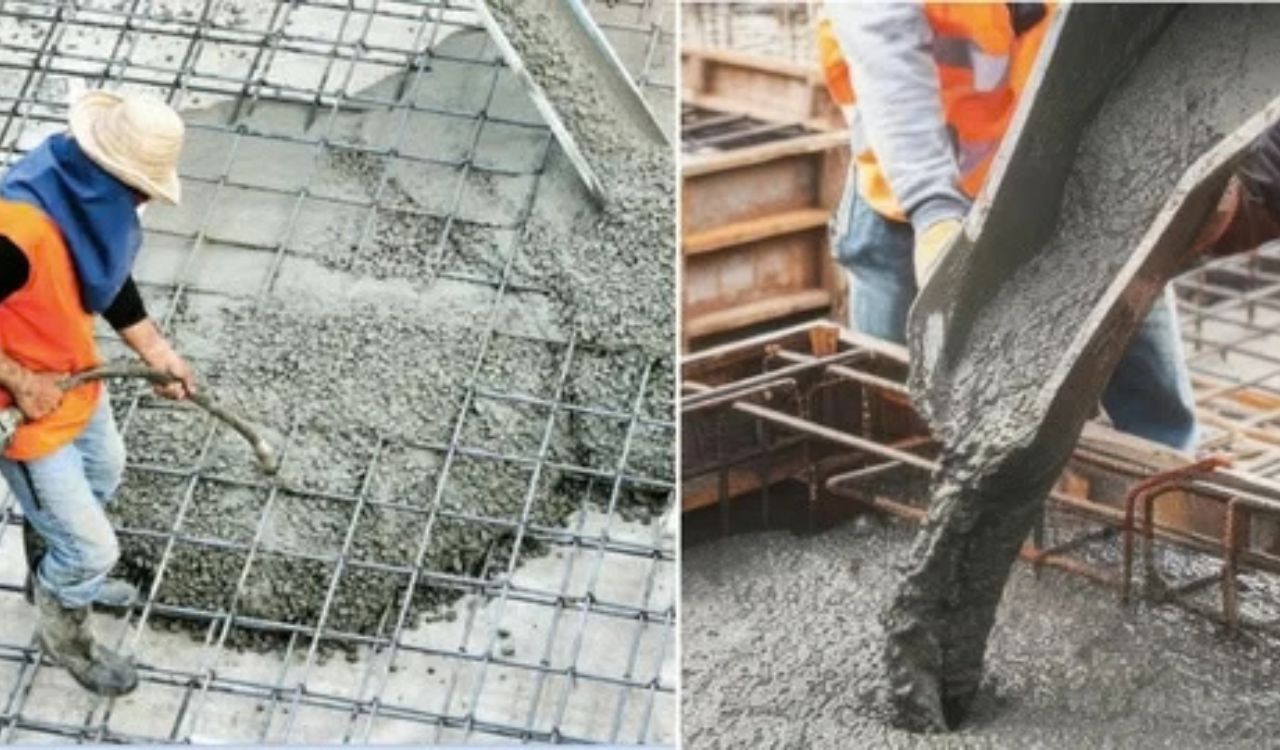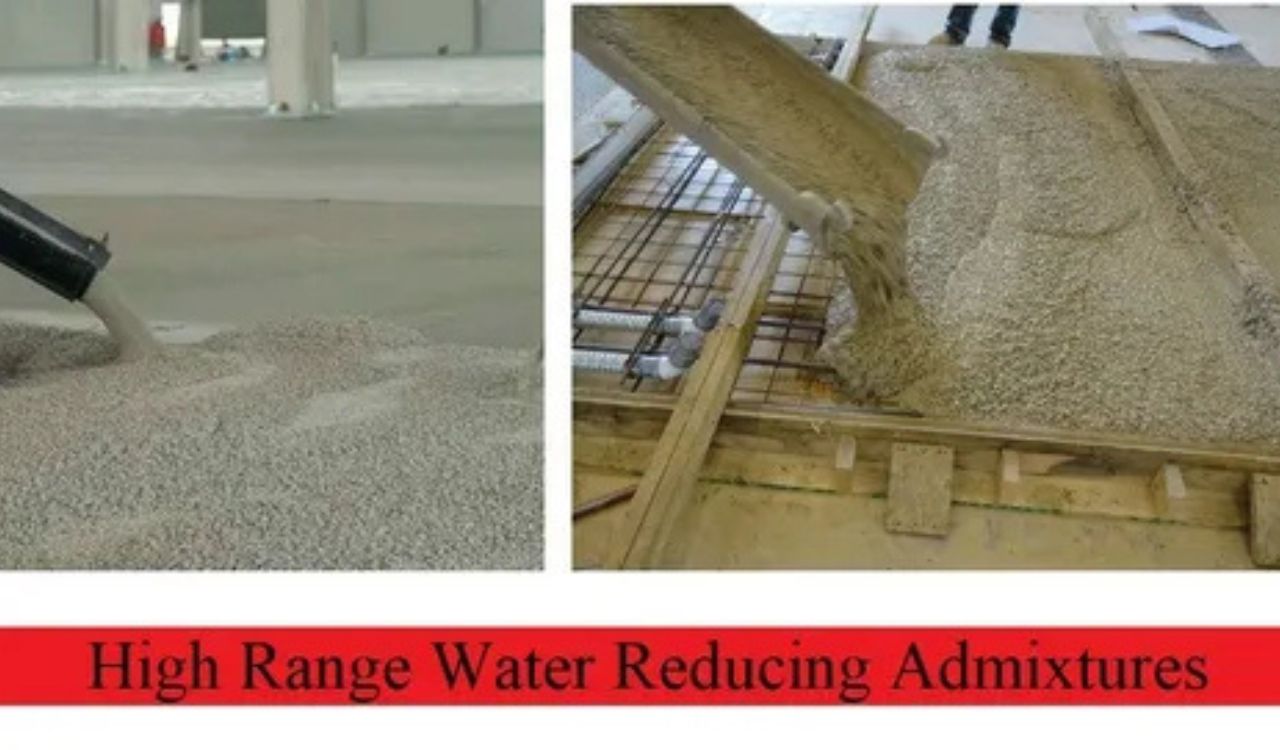
Concrete looks solid, but it is full of tiny pores and capillaries. Water finds its way through these openings over time, and once it does, it brings corrosion, staining, freeze-thaw damage, and structural decay along with it. Crystalline waterproofing admixture was developed to solve this problem from the inside of the concrete itself, rather than relying only on external coatings or membranes.
WHAT IS A CRYSTALLINE WATERPROOFING ADMIXTURE
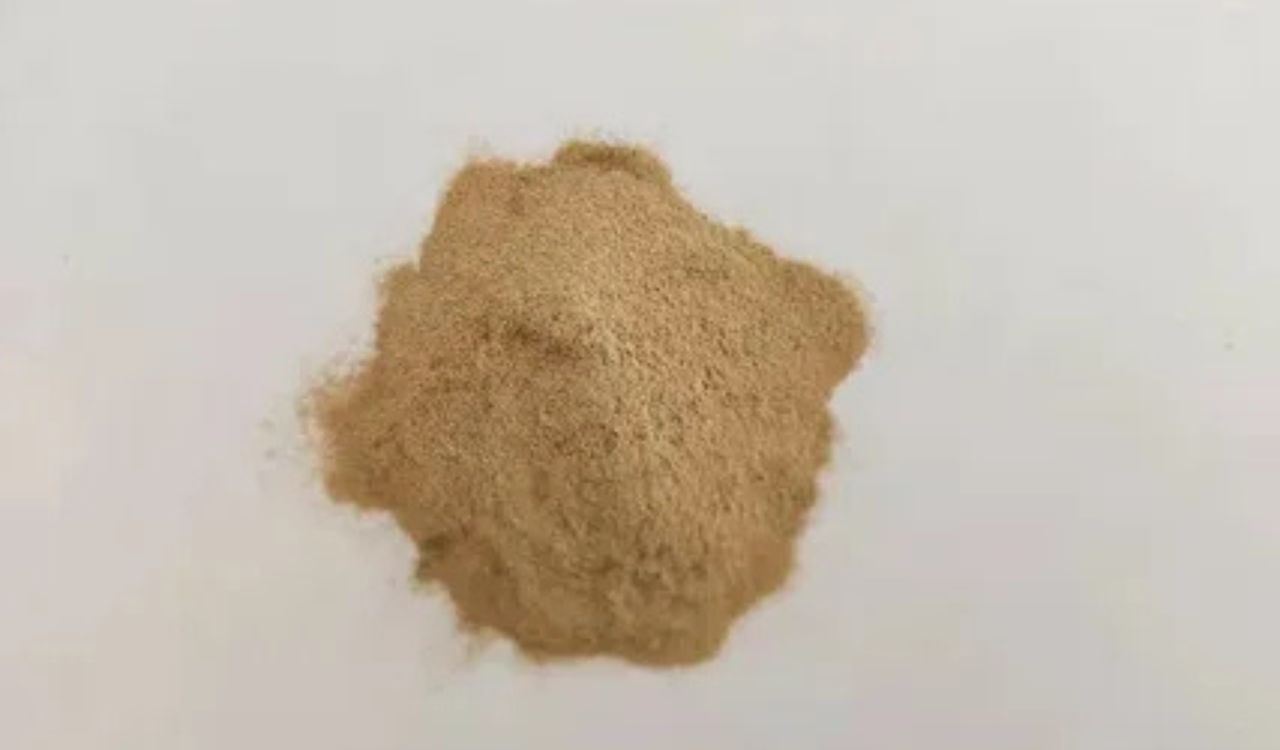
A crystalline waterproofing admixture is a chemical additive mixed directly into concrete during batching. It reacts with water and with the byproducts of cement hydration, mainly calcium hydroxide, to form insoluble crystalline structures inside the pore network of the concrete. These crystals grow and fill the capillary pores, reducing the pathways water would otherwise use to move through the material.
Unlike surface-applied waterproofing systems, this admixture becomes part of the concrete matrix. It does not sit as a separate layer that can peel, puncture, or lose adhesion. Because the protection is built into the concrete mass itself, it protects the full thickness of the structure, not just the exposed face.
HOW CRYSTALLINE ADMIXTURES WORK
When the admixture is added at the mixing stage, part of it reacts immediately with water and hydration products such as calcium hydroxide to begin forming crystals as the concrete cures. This early reaction seals much of the initial porosity and blocks micro-cracks that form during curing.
A portion of the admixture stays dormant inside the hardened concrete. If new cracks form later, or if water finds a fresh path through the structure, moisture reactivates the dormant chemicals and triggers new crystal growth exactly where the water is entering. This is what gives crystalline admixtures their self-healing property, since the material can continue sealing itself for years after installation as long as moisture is present to trigger the reaction.
This also means the system depends on moisture to work. In very dry conditions, activation slows down considerably, and the admixture needs contact with water to complete the sealing process.
PRAN VERSUS PRAH CLASSIFICATION
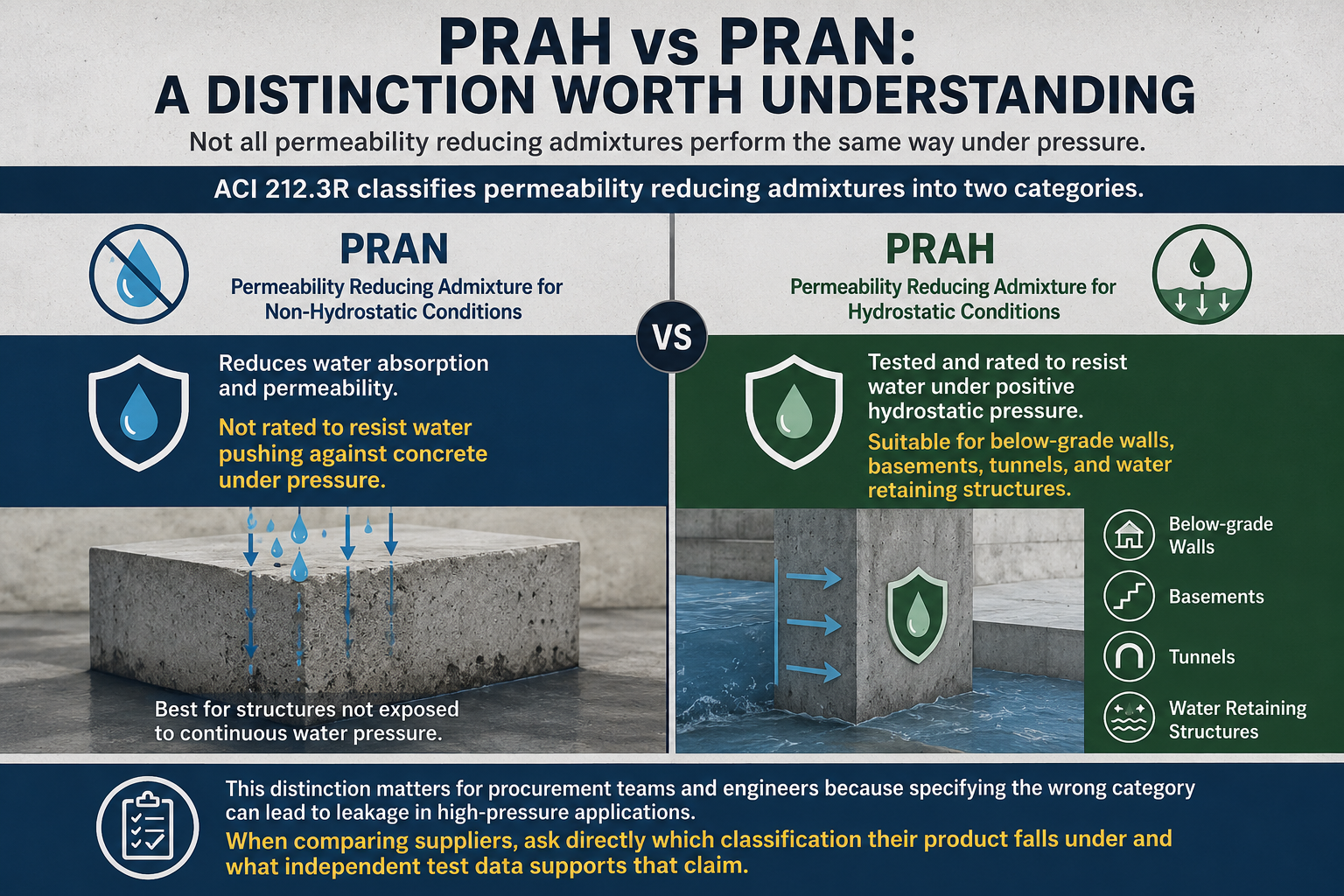
Industry standards group permeability reducing admixtures into two categories. PRAN, or permeability reducing admixtures for non-hydrostatic conditions, are meant for dampproofing where water is not under pressure. PRAH, or permeability reducing admixtures for hydrostatic conditions, are built to resist water actively pushing against the concrete, such as in basements, tunnels, tanks, and below-grade structures.
Crystalline admixtures are one of the few product types that reliably qualify as true PRAH materials, since their crystal formation can withstand sustained water pressure rather than just slowing surface absorption.
RELEVANT STANDARDS AND TESTING
Several standards are commonly referenced when evaluating crystalline waterproofing performance. ASTM C494 Type S covers specific performance admixtures, which crystalline products are often tested against. ASTM C1585 measures the rate of water absorption in hardened concrete. DIN 1048 Part 5 and BS EN 12390-8 test water penetration depth under pressure, which is considered a more accurate way to judge hydrostatic performance than absorption testing alone.
In China, GB/T 31296-2014 sets the national specification for crystalline waterproofing materials, covering requirements for impermeability, crack self-sealing, and compatibility with cement based systems. For manufacturers and buyers working across export markets, referencing both ASTM and GB/T frameworks helps align product data sheets with the standards local engineers and specifiers actually check.
HOW IT IS APPLIED
Crystalline waterproofing can be introduced in three main ways. As an integral admixture, it is added directly into the concrete mix at the batching plant or on site, typically as a small percentage of cement weight, and blended in before pouring. As a cementitious slurry coating, it is applied to the surface of existing concrete structures during repair or retrofit work. As a dry shake, it is broadcast onto the surface of freshly placed concrete and worked in before finishing.
The integral admixture method is generally preferred for new construction because it protects the entire concrete section rather than just the surface, and it removes the risk of coating failure from poor surface preparation or later mechanical damage.
BENEFITS
Crystalline waterproofing admixtures offer several practical advantages. They protect the full depth of the concrete rather than a thin surface layer. They allow the concrete to continue self-sealing hairline cracks that develop after construction, which is difficult to achieve with membranes. They resist high hydrostatic pressure, making them suitable for tanks, tunnels, and underground structures. They are non-toxic once cured and many formulations are certified for contact with potable water. They also simplify construction schedules, since there is no separate membrane installation step, no risk of puncture during backfilling, and no additional curing time beyond the concrete itself.
LIMITATIONS TO KEEP IN MIND
Crystalline admixtures are not a universal fix. They only work on cementitious materials, so they are not suitable for wood, metal, or plastic substrates. They need moisture to activate, so performance in very dry environments can be slower or reduced. They can be more brittle than flexible membrane systems under high dynamic movement, so structures with significant vibration or movement joints may still need a complementary waterproofing strategy. Most manufacturers and engineers recommend using crystalline admixtures as one part of a broader waterproofing design rather than the only line of defense in extreme exposure conditions.
COMMON APPLICATIONS OF CRYSTALLINE WATERPROOFING ADMIXTURE
Crystalline waterproofing admixtures are widely used in basements and foundations, water and wastewater treatment structures, underground parking structures, tunnels and subway systems, swimming pools, water storage tanks, and marine and coastal concrete works. Any structure exposed to sustained water contact or hydrostatic pressure is a strong candidate for this type of protection.
At Luke Chemicals, our VF 36 crystalline self-healing waterproofing admixture is formulated to support this kind of long-term, integral protection for concrete exposed to continuous moisture and pressure.
CHOOSING A CRYSTALLINE ADMIXTURE
When evaluating a product, it helps to look past marketing claims and check for third-party permeability test data under hydrostatic pressure, documented crack-sealing width capability, compliance with recognized standards such as ASTM C494 Type S or GB/T 31296, and clear dosage guidance for both plant batching and site-mixing conditions. Concrete performance depends heavily on mix design, so any admixture should be evaluated within the context of the specific water-to-cement ratio and exposure conditions of the project.