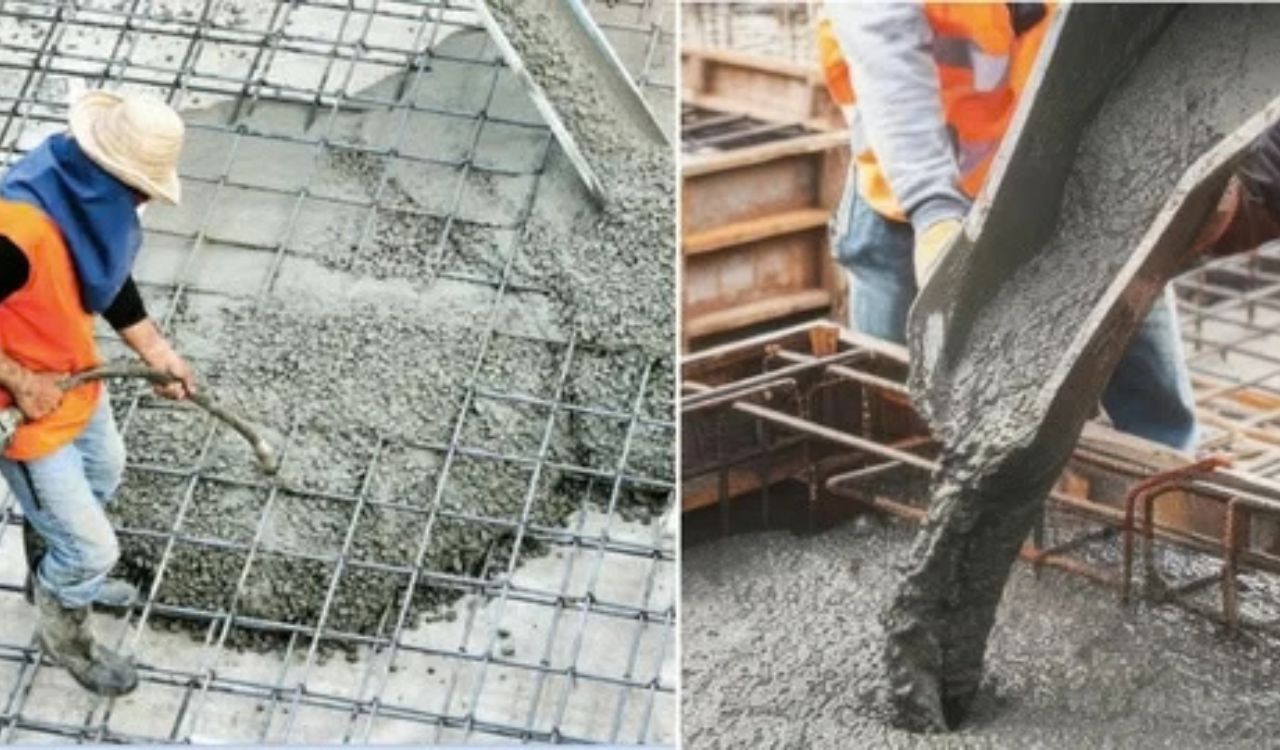
Pouring fresh concrete Admixtures is a time-sensitive project, and unexpected delays can cause major problems. Admixtures give you greater control over your concrete mix—restoring loads that might otherwise be rejected, improving problem concrete, and enhancing workability when you need it most.
Put simply, admixtures are additives that help control the set time and other key characteristics of fresh concrete. Common types include accelerating admixtures, retarding admixtures, fly ash, air-entraining admixtures, and water-reducing admixtures.
Why Use Concrete Admixtures?
Every admixture serves one core purpose: to improve some aspect of your concrete. Depending on the type you choose, admixtures can help you:
- Protect against freeze-thaw cycles and improve durability
- Reduce water content in the mix
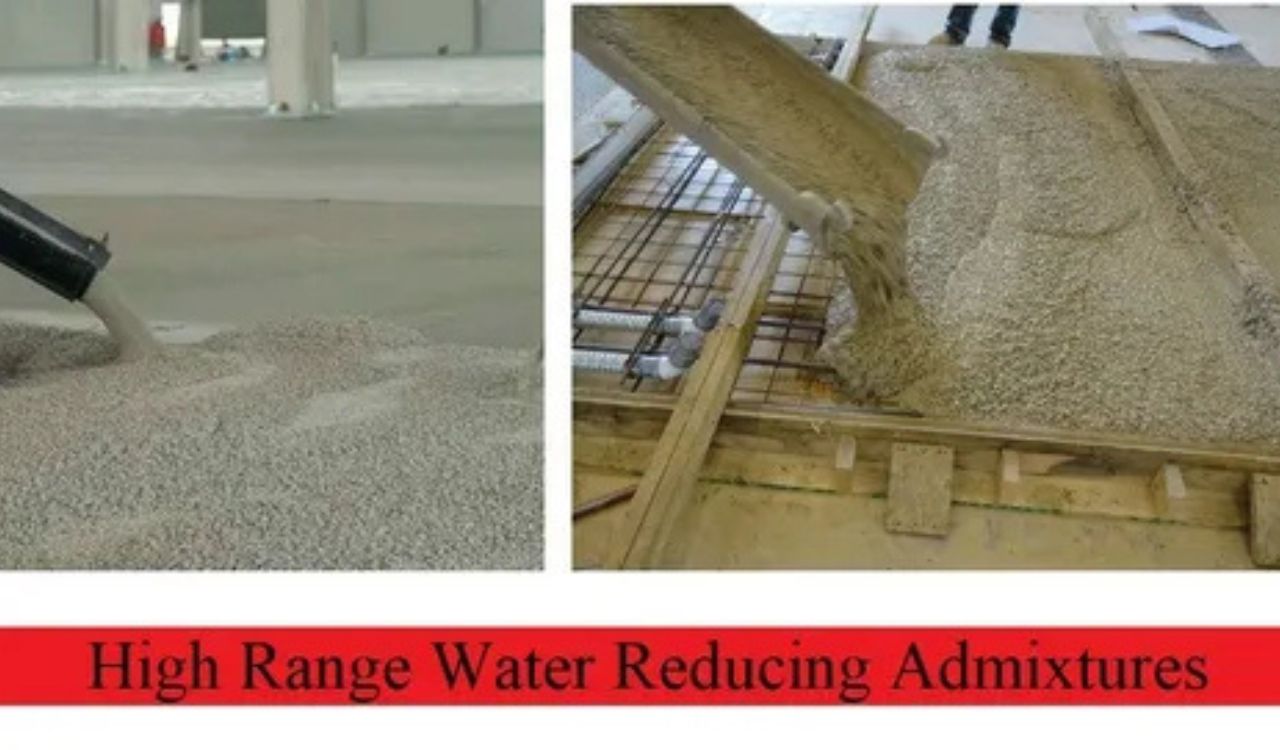
- Strengthen high-range water reduction with superplasticizers
- Produce high-strength concrete
- Prevent corrosion
- Accelerate or retard set time
- Enhance strength
- Control cracking and shrinkage
- Improve flowability and finish
- Leverage fly ash for stronger, more durable, and workable concrete
- Use silica fume for early strength and reduced permeability
- Create fluid, self-leveling backfill
FAQs About Concrete Admixtures
How do corrosion inhibitors work?
Corrosion inhibitors work in two ways: they delay the onset of corrosion and reduce its overall impact. These inhibitors may be anodic, cathodic, or a combination of both. Some create a protective barrier that stabilizes rust around steel. Others apply a thin coating that stops chlorides from reacting with the steel, or form a protective film that acts as an oxygen barrier.
What is thermal cracking?
Cement hydration is an exothermic process—it generates heat. As concrete cools, it contracts, and in extreme cases, can contract as much in three days due to cooling as it would in a year under normal drying conditions. A temperature differential of 35°F within one foot is typically enough to cause cracking.
Admixtures can slow the rate of heat generation, though this may slightly reduce concrete strength. In applications where low water-to-cement ratios are required—such as bridges, parking structures, or marine facilities—heat-reducing admixtures can significantly lower the risk of cracking.
What causes plastic shrinkage cracking?
Plastic shrinkage cracks form when fresh concrete loses moisture after placement, but before any strength has developed. Environmental factors—including temperature, wind, and relative humidity—all contribute, making this a particular concern in hot weather concreting.
What is autogenous shrinkage?
Autogenous shrinkage occurs as portland cement hydrates, without any loss of water from the mix. Unlike drying shrinkage, it’s difficult to measure in isolation. While some admixtures may reduce autogenous shrinkage, they’re not specifically designed for this purpose.
What should I ask before using shrinkage-reducing admixtures?
Before committing to a shrinkage-reducing admixture, ask your manufacturer the following:
- How will it affect fresh concrete?
- How will it affect hardened concrete?
- What is the impact on durability?
- Are there case studies of similar structures in service?
- Will the same cement be used as in the test specimens?
- What is the cost impact?
Always tailor these questions to your specific project and materials.
Are there cost tradeoffs with shrinkage reducers?
In many cases, the cost of adding a shrinkage reducer is offset by avoiding expensive repairs or retesting. For example, passing a hydrostatic test on a concrete water tank the first time can more than justify the upfront cost of the admixture. Other potential savings include fewer expansion joints, a reduced number of prestressing strands, and less curling in floor slabs.
Do admixtures affect integral color?
Most admixtures have no long-term detrimental effects on integrally colored concrete, though some may shift the color slightly lighter or darker—making batch-to-batch consistency critical. The one exception: calcium chloride-based accelerators. The chloride ions attack the color, causing it to fade and become blotchy.
Never switch admixtures or stop using them mid-project when working with colored concrete.