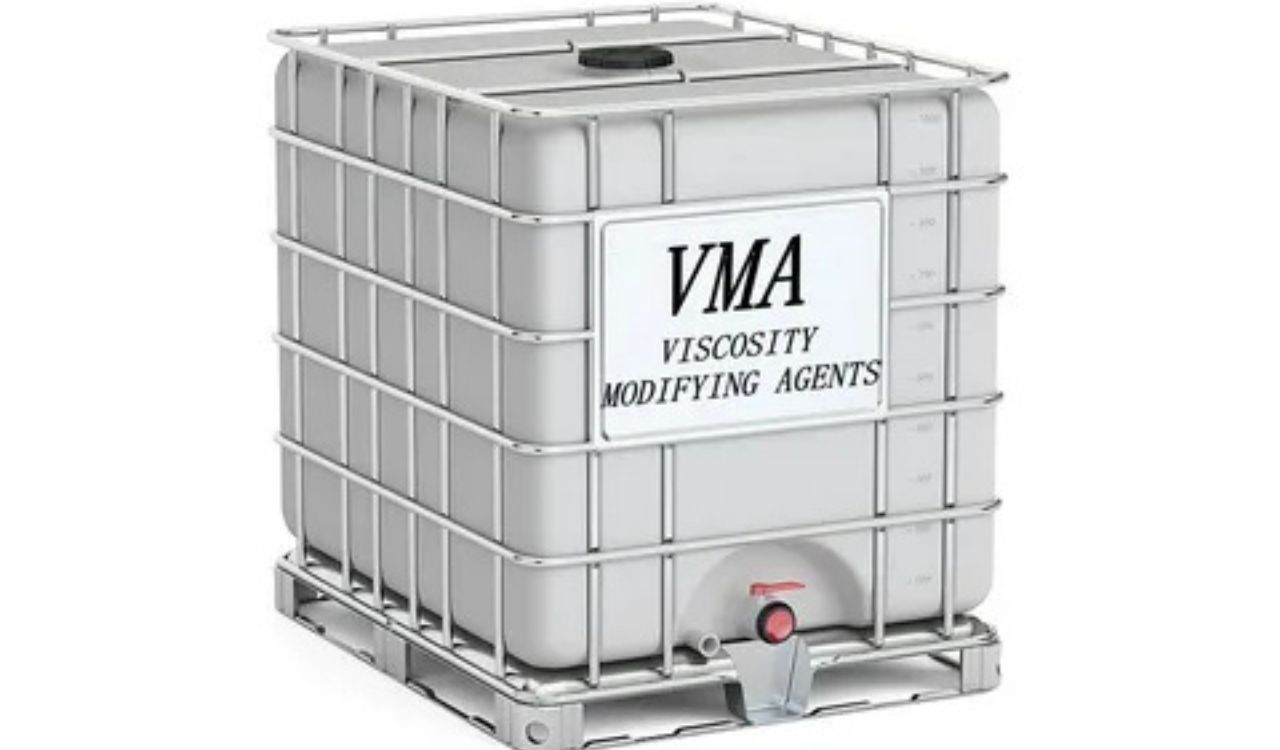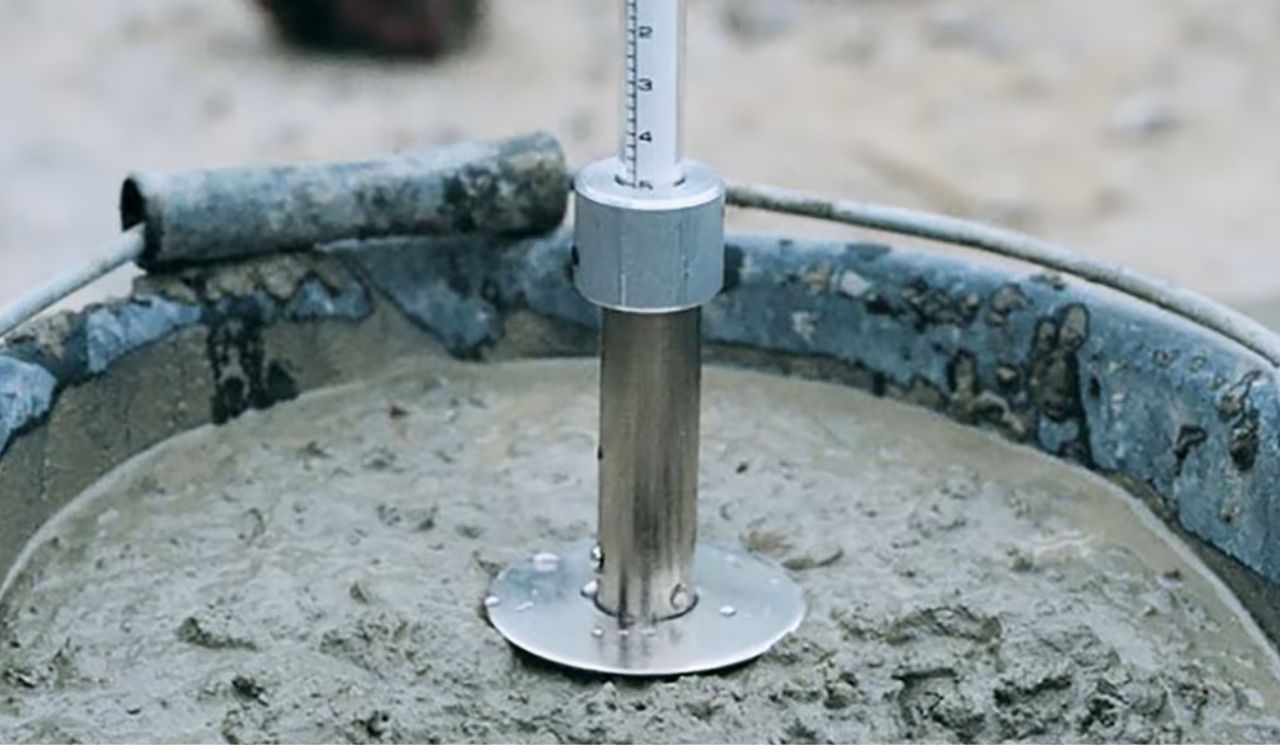
Consistent concrete performance depends on more than selecting the right cement, aggregates, and water. Concrete additives can significantly influence workability, setting, strength development, durability, water demand, and other properties, which makes quality control an important part of both additive manufacturing and concrete production.
Small variations in an additive can sometimes affect the behavior of a complete concrete mixture. Differences in concentration, moisture, storage conditions, dosage, mixing procedures, or compatibility with other materials can lead to inconsistent results. For this reason, manufacturers, ready-mix producers, precast concrete companies, contractors, and material suppliers need structured quality-control practices.
Effective quality control does not mean testing only the finished additive. It involves controlling the process from incoming materials through formulation, production, batch release, storage, transportation, dosing, and final concrete performance.
At Luke Chemicals, our quality-focused approach also considers sustainability, resource efficiency, environmental responsibility, and consistent product performance. By optimizing formulations and manufacturing processes, we aim to help reduce material waste, improve concrete performance, optimize cement and water consumption, and support more sustainable construction practices.
Why Quality Control Matters for Concrete Additives
Concrete additives are generally used in relatively small quantities compared with cement and aggregates, but their influence on concrete properties can be significant.
For example, a water-reducing additive may be selected to improve workability while reducing water demand. A superplasticizer may be used to achieve high flow or support high-strength concrete. Accelerating additives can influence setting and early-age strength, while waterproofing additives may be selected to improve resistance to water penetration.
If the additive does not remain consistent from batch to batch, the resulting concrete may also show variations.
Quality control therefore helps manufacturers and users maintain predictable product characteristics and reduce the risk of unexpected changes during production.
Quality Control Begins With Incoming Materials
Before an additive enters the manufacturing process, its incoming materials should be checked against established specifications.
The exact checks depend on the chemistry and formulation, but manufacturers may monitor characteristics such as identity, appearance, concentration, moisture, purity, particle characteristics, density, or other relevant properties.
The objective is not simply to confirm that a material has arrived. It is to verify that it is suitable for the intended formulation.
Proper identification and documentation are also important. Materials should be traceable to their supplier, batch, delivery, and relevant quality documentation.
This creates a foundation for investigating problems if a finished product later shows unexpected performance.
Formulation Control Is Essential
Once raw materials have passed the required checks, formulation control becomes an important quality-control stage.
Concrete additive formulations can contain several components, and their proportions can influence final product behavior.
Manufacturers should therefore use controlled formulations and documented production procedures.
Important process controls can include:
- Correct material identification
- Accurate weighing and measurement
- Controlled addition sequence
- Mixing time
- Mixing temperature
- Equipment condition
- Batch size
- Production records
Automated weighing and dosing systems can further reduce manual variation where appropriate.
The objective is to ensure that the same formulation and production process can be repeated consistently.
Batch-to-Batch Consistency
Batch consistency is one of the most important quality considerations for concrete additives.
A customer may establish a concrete mixture based on the performance of one additive batch. If a later batch behaves differently, the concrete producer may experience changes in slump, setting time, water demand, strength development, or other properties.
Manufacturers can reduce this risk by establishing appropriate release criteria and monitoring relevant physical and performance characteristics for each production batch.
The specific parameters depend on the additive type.
For a liquid product, properties such as appearance, density, solids content, or other formulation-specific measurements may be relevant. For a powder additive, moisture, particle characteristics, appearance, and active content may be considered where applicable.
Testing the Finished Additive
Finished-product testing provides an important checkpoint before a batch is released to customers.
The testing program should reflect the product’s intended function.
For example, a water-reducing additive may require evaluation related to water reduction and concrete workability. A superplasticizer may require testing of flow, slump retention, setting behavior, or strength effects.
The purpose is to verify that the manufactured product remains within its defined quality and performance requirements.
Testing should be supported by documented acceptance criteria rather than relying on subjective observations alone.
Storage Conditions Can Affect Additive Quality
Quality control continues after manufacturing.
Improper storage can change the condition of an additive before it reaches the concrete producer.
Temperature, moisture, exposure to contamination, container condition, and storage duration can all be relevant depending on the product.
Powder additives may require protection from moisture to prevent caking or other changes in physical condition. Liquid products may have specific temperature or storage requirements depending on their formulation.
Manufacturers and distributors should therefore provide appropriate storage instructions and monitor inventory conditions.
Packaging and Identification
Packaging is another part of quality control that is sometimes overlooked.
A technically consistent additive can still create problems if it is placed in the wrong container, incorrectly labeled, contaminated, or supplied with inaccurate batch information.
Labels should clearly identify the product and relevant batch information.
Proper identification also supports traceability.
If a concrete producer experiences an unexpected performance issue, batch information can help connect the material used in production with the manufacturer’s production records and test results.
Dosage Accuracy at the Concrete Plant
Quality control does not end when the additive leaves the manufacturer.
The way an additive is stored, measured, and introduced into concrete can directly affect its performance.
An otherwise consistent product can produce inconsistent concrete if the dosing system is inaccurate.
Concrete producers should therefore verify dosing equipment and maintain appropriate calibration and maintenance procedures.
The additive should be introduced according to the supplier’s technical recommendations and the approved concrete mixture.
This is especially important for products used at relatively low dosage levels, where a small measurement error can represent a meaningful percentage difference.
Trial Batches Help Confirm Performance
Before an additive is introduced into regular production, trial batching can help confirm how it behaves within the intended concrete mixture.
The trial should use the materials and production conditions that are representative of the actual application whenever practical.
The concrete producer can compare the additive-treated mixture with the established reference mixture and evaluate relevant properties.
Depending on the application, these may include:
- Workability
- Slump retention
- Air content
- Setting behavior
- Water demand
- Early-age strength
- Compressive strength
- Durability-related performance
Trial batches can identify potential issues before the material is used on a larger project.
Controlling Concrete Production Variables
Additive performance cannot be separated completely from the rest of the concrete production process.
Changes in aggregate moisture, cement characteristics, water temperature, concrete temperature, mixing sequence, or other materials can influence concrete behavior.
For this reason, quality control should monitor important production variables rather than assuming that any change in concrete performance is caused by the additive.
For example, a sudden change in slump may result from aggregate moisture variation rather than a change in additive quality.
A structured quality-control system makes it easier to identify the actual source of variation.
Maintaining Proper Records
Documentation is a critical part of quality control.
Manufacturers should maintain records that allow individual additive batches to be traced through the production process.
Relevant records may include:
- Raw-material batches
- Production date
- Formulation information
- Equipment used
- Production conditions
- Quality-control results
- Packaging information
- Batch number
- Release approval
- Customer shipment information
Concrete producers should similarly maintain records of additive batches, dosage rates, concrete mixture proportions, and significant production conditions.
Good records make troubleshooting much easier.
Managing Nonconforming Products
Quality control systems should also define what happens when a batch does not meet established requirements.
A nonconforming batch should not automatically enter normal distribution simply because the difference appears small.
The appropriate response depends on the type and severity of the deviation.
Possible actions may include additional testing, technical review, reprocessing where technically appropriate, controlled disposition, or rejection.
The important principle is that the decision should follow a documented process rather than an informal judgment.
Corrective and Preventive Actions
When a quality problem occurs, fixing the immediate batch may not be enough.
Manufacturers should investigate why the deviation happened and determine whether the same issue could occur again.
For example, if a batch shows an unexpected concentration variation, the investigation may examine weighing equipment, material addition procedures, operator actions, mixing conditions, or measurement systems.
Corrective action addresses the identified problem, while preventive measures aim to reduce the likelihood of recurrence.
This continuous-improvement approach can strengthen overall additive quality.
Quality Control for Different Types of Concrete Additives
Quality-control priorities vary according to the function of the additive.
Water-Reducing Additives
For water reducers, manufacturers and concrete producers may focus on consistency of water-reduction performance, workability, setting behavior, and strength development.
The objective is to achieve predictable performance without creating undesirable effects elsewhere in the mixture.
Superplasticizers
Superplasticizers require particular attention to workability, flow, slump retention, dosage response, setting behavior, and compatibility with the concrete system.
This is especially important in high-performance and high-strength concrete.
Accelerating Additives
For accelerating products, quality control can emphasize setting characteristics and early-age strength development.
Consistency is important because excessive or insufficient acceleration can interfere with construction operations.
Waterproofing Additives
For waterproofing additives, quality control should relate to the product’s intended water-resistance mechanism and the performance requirements of the concrete application.
Testing should be selected according to the relevant exposure and expected performance.
Air-Entraining Additives
Air-entraining additives require control of their effect on concrete air content and related properties.
The desired air level depends on the concrete application and environmental exposure, so quality control should consider both the additive and the finished mixture.
Quality Control During Transportation
Transportation can introduce another source of variation.
Products should be shipped in suitable packaging and under conditions consistent with their storage requirements.
Long transportation periods, extreme temperatures, container damage, or contamination can potentially affect product condition.
Batch identification should remain intact throughout the distribution process so that the material can be traced after delivery.
For international chemical supply chains, documentation and handling procedures become especially important because products may pass through several stages before reaching the final user.
Supplier Quality Management
Concrete producers often purchase additives from external manufacturers, making supplier evaluation an important part of quality control.
Buyers can consider factors such as manufacturing capabilities, product documentation, quality systems, technical support, batch consistency, testing procedures, and traceability.
Supplier qualification should not rely solely on price.
A supplier that provides consistent material and responsive technical support may reduce production risk even when its product is not the lowest-cost option.
For manufacturers and industrial buyers, establishing clear technical specifications before purchasing can also make supplier comparisons more objective.
Quality Control and Concrete Performance
The ultimate objective of additive quality control is not simply to produce a product that looks consistent.
The objective is to support consistent concrete performance.
A concrete producer may need a mixture that maintains a target slump during transportation, reaches a specified strength, sets within a defined time window, or provides improved durability.
The additive must therefore perform consistently within the concrete system.
This is why product quality control and concrete trial testing should work together.
Common Quality-Control Problems
Several recurring problems can affect additive consistency.
One is inaccurate measurement during manufacturing. Another is inadequate storage after production. Poor dosing accuracy at the concrete plant can create similar problems even when the additive itself is within specification.
Other issues can include contamination, incorrect labeling, incomplete records, formulation deviations, equipment problems, and changes in the concrete materials being used.
A comprehensive quality-control system considers the entire process rather than focusing on only one stage.
Building a Practical Quality-Control Workflow
A practical workflow can be organized around several connected stages.
First, incoming materials are identified and evaluated against established requirements. Next, the manufacturing process is controlled through accurate weighing, controlled formulation, and documented production procedures.
The finished batch is then evaluated against relevant quality criteria before release.
After delivery, appropriate storage, handling, and dosing practices help preserve product consistency.
Finally, concrete trial batches and production monitoring provide feedback about actual field performance.
This creates a continuous quality loop from manufacturing to application.
How Quality Control Supports the Concrete Additives Market
Quality consistency has an important role in the development of the concrete additives market.
Construction companies and concrete producers are more likely to adopt an additive when its performance is predictable and supported by reliable technical information.
As concrete applications become more demanding, buyers increasingly need products that can perform consistently across different production environments.
This creates opportunities for manufacturers that invest in process control, testing, technical support, traceability, and application-specific product development.
Quality control therefore contributes not only to individual product performance but also to long-term customer confidence.
Future Trends in Concrete Additive Quality Control
Quality-control practices are becoming increasingly data-driven.
Automated production systems can improve measurement accuracy, while digital records can strengthen batch traceability. Laboratory instruments and process-monitoring technologies can provide faster feedback during manufacturing.
At the concrete plant, automated dosing and production-monitoring systems can also help reduce operator-related variation.
Over time, greater integration between manufacturing data and concrete performance data may allow suppliers and customers to identify performance trends more efficiently.
The broader direction is toward greater consistency, traceability, and measurable performance.
Conclusion
Quality control is essential for maintaining consistent concrete additive performance.
It begins with incoming material verification and continues through formulation, manufacturing, finished-product testing, packaging, storage, transportation, dosing, trial batching, and concrete production.
Each stage can influence the final result.
A strong quality-control system helps manufacturers reduce batch variation while giving concrete producers greater confidence that an additive will perform consistently within an approved mixture.
The most effective approach combines process control with appropriate product testing, accurate dosing, good documentation, supplier management, and ongoing concrete-performance monitoring.
As demand for specialized and high-performance concrete continues to develop, consistent additive quality will remain an important factor in reliable construction-material production.
Frequently Asked Questions
What is quality control for concrete additives?
Quality control for concrete additives is the systematic process of maintaining consistent product characteristics and performance from incoming materials through manufacturing, storage, delivery, dosing, and concrete production.
Why is batch consistency important for concrete additives?
Batch consistency helps concrete producers achieve predictable results. Variations between batches can potentially affect workability, setting, water demand, strength development, and other concrete properties.
How are concrete additives quality-tested?
Testing depends on the additive type. Quality control may include physical, chemical, and performance-related evaluations, followed by comparison with established product requirements.
Does storage affect concrete additive quality?
Yes. Depending on the formulation, temperature, moisture, contamination, container condition, and storage duration can affect product condition. Appropriate storage procedures should therefore be followed.
Why is dosing accuracy important?
Concrete additives are often used in relatively small quantities. An inaccurate dosage can change the behavior of the concrete mixture even when the additive itself meets its quality requirements.
What is a trial batch in concrete production?
A trial batch is a controlled concrete mixture produced before or during implementation to evaluate how an additive performs with the actual or representative cement, aggregates, water, and other materials.
How can manufacturers improve additive quality consistency?
Manufacturers can improve consistency through controlled formulations, accurate measurement, documented production procedures, appropriate batch testing, equipment maintenance, traceability, proper storage, and corrective-action systems.