The concrete admixture market includes a wide range of chemical products designed to modify the properties of fresh and hardened concrete. These materials can improve workability, reduce water demand, control setting, support strength development, enhance durability, or provide specific performance characteristics required by modern construction projects.
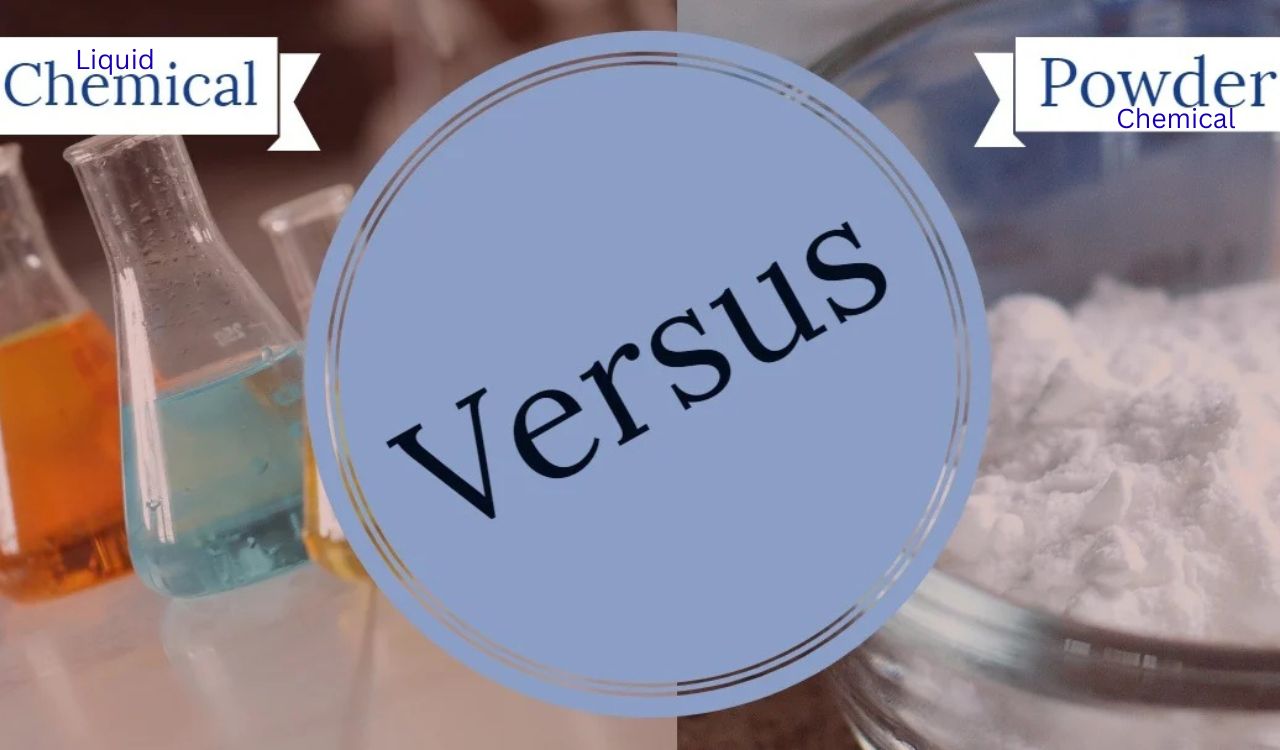
While admixtures are often discussed according to their chemical function, their physical formulation is another important consideration. Concrete admixtures are commonly supplied as liquid products or dry powders, and the choice between these forms can affect transportation, storage, dosing, production processes, and application suitability. Liquid and powder formulations can contain similar functional chemistry, but they are not necessarily interchangeable in every manufacturing or construction environment. Differences in concentration, handling characteristics, dissolution behavior, equipment requirements, and storage conditions can influence the overall economics, practicality, and sustainability of an admixture.
Sustainability is also becoming an important consideration in the concrete admixtures market. Manufacturers and buyers may evaluate how an admixture can reduce water or material consumption, improve concrete durability, and support more efficient production. The physical form can also influence packaging, transportation, and storage requirements. By considering both product performance and environmental factors, ready-mix producers, precast manufacturers, contractors, distributors, and industrial buyers can make more informed decisions when selecting concrete admixtures.
What Are Liquid and Powder Concrete Admixtures?
Liquid concrete admixtures are supplied in a ready-to-dose liquid form. Depending on the formulation, the active chemical may already be dissolved or dispersed in a carrier system. The product can typically be introduced into concrete during batching using liquid admixture dosing equipment.
Powder concrete admixtures are supplied as dry materials. They may consist of a dry chemical formulation, powdered polymer, mineral-chemical combination, or another solid form designed to provide a specific function after being incorporated into a concrete or cementitious system.
The physical form does not by itself determine whether an admixture is better or worse. The appropriate choice depends on the intended application, production process, required dosage, transportation requirements, storage facilities, and performance objectives.
Why Formulation Matters in the Concrete Admixture Market
As the concrete admixtures market becomes more specialized, manufacturers and buyers increasingly evaluate products according to both performance and practicality.
A liquid admixture may be convenient for an automated ready-mix batching plant because it can be metered directly into the concrete mixture. A powder formulation may be more convenient for certain dry-mix products, packaged cementitious materials, or locations where liquid storage and dosing infrastructure is limited.
The physical form can therefore influence the complete supply chain.
Important considerations include:
- Product concentration
- Transportation weight
- Storage requirements
- Packaging
- Dosing equipment
- Mixing procedure
- Shelf stability
- Moisture sensitivity
- Solubility
- Production scale
- Application environment
These factors become especially important when an admixture is purchased and used at industrial scale.
Liquid Concrete Admixtures: Characteristics and Advantages
Liquid admixtures are widely used in commercial concrete production because they can be integrated into automated batching systems.
In a ready-mix concrete plant, for example, liquid admixtures can be stored in dedicated tanks and delivered through calibrated dosing systems. This can allow the producer to control the quantity added to each batch.
Liquid products can also provide practical advantages where the formulation is already prepared at the required concentration.
Another benefit is that many liquid admixtures can be incorporated into concrete without requiring a separate dissolution step at the job site. This can simplify the production process when appropriate equipment is available.
However, liquid formulations contain a carrier or solvent in addition to the active material in many cases. This means buyers should evaluate the product based on its effective active concentration and not simply compare the purchase price per kilogram of product.
Common Industrial Uses of Liquid Admixtures
Liquid formulations are commonly suitable for applications such as:
- Ready-mix concrete
- Large-scale batching plants
- Commercial construction
- Infrastructure projects
- Precast production
- High-performance concrete
- Pumped concrete
- Projects requiring automated dosing
The exact suitability depends on the chemistry and manufacturer’s technical specifications.
Powder Concrete Admixtures: Characteristics and Advantages
Powder admixtures are useful in applications where dry handling provides practical advantages.
A dry formulation can be easier to integrate into certain dry-mix manufacturing processes because the product can be blended with cement and other powdered components before packaging.
Powder products can also be attractive when transportation and storage requirements favor concentrated materials with limited liquid content.
For example, a manufacturer producing a dry cementitious repair product, mortar, or specialized construction material may prefer a powdered admixture that can be incorporated during dry blending.
However, powder products can require greater attention to moisture control, particle characteristics, dispersion, and packaging integrity.
Liquid vs Powder Concrete Admixtures
The differences become clearer when the two formulations are evaluated across practical purchasing and production criteria.
| Factor | Liquid admixture | Powder admixture |
| Physical form | Liquid | Dry solid |
| Typical dosing | Pumped or metered | Weighed or dry blended |
| Storage | Tanks or suitable containers | Bags, sacks, or bulk dry storage |
| Moisture sensitivity | Depends on formulation | Often important |
| Automated batching | Highly suitable | Depends on plant equipment |
| Dry-mix production | Less convenient in many cases | Often highly suitable |
| Transportation | May include significant carrier liquid | Often more concentrated |
| Handling | Pumping and liquid transfer | Dry material handling |
| Main quality concerns | Concentration, viscosity, stability | Moisture, particle size, flowability |
This comparison is general. The actual requirements depend on the specific chemistry and product design.
Concentration and Active Content
One of the most important differences when comparing liquid and powder formulations is concentration.
A liquid product may contain a certain percentage of active chemical together with water or another carrier. A powder product may contain a substantially higher proportion of active material, although this varies by formulation.
For industrial buyers, comparing products based solely on price per unit of product can therefore be misleading.
A more useful comparison considers the effective dosage and cost per unit of concrete produced.
For example, two products may have different recommended dosages because their active concentrations and performance characteristics differ. A product with a higher purchase price may potentially have a lower cost at the required performance level if its effective dosage is lower.
This is why technical evaluation should be combined with commercial analysis when selecting concrete additives.
Dosing Differences Between Liquid and Powder Products
Dosing is another major consideration.
Liquid admixtures are often introduced using pumps, flow meters, weighing systems, or automated admixture dispensers. These systems can be integrated into concrete batching plants and controlled according to the required mix design.
Powder products generally require weighing and controlled dry addition. Depending on the application, the powder may be introduced during dry blending, dissolved before use, or incorporated through another controlled process.
The dosing method should ensure that the required amount of active material reaches the concrete mixture consistently.
Poor dosing control can result in variability even when the admixture itself is manufactured correctly.
Storage and Shelf Stability
Storage conditions can differ considerably between liquid and powder formulations.
Liquid products may require protection from extreme temperatures, freezing, contamination, evaporation, or prolonged storage conditions that can affect stability.
Powder products generally need protection against moisture. Exposure to humidity can cause caking, changes in flowability, or other physical problems depending on the chemical formulation.
For both forms, buyers should follow the manufacturer’s recommended storage temperature, packaging requirements, shelf-life conditions, and handling procedures.
Good storage practices are particularly important for distributors and industrial buyers who may keep inventory for extended periods.
Transportation Considerations
Transportation can influence the total cost of an admixture.
Liquid products may contain a significant amount of water or carrier material. As a result, buyers may need to transport a greater total mass to deliver the required amount of active ingredient.
Powder formulations can sometimes provide a more concentrated shipping format, although packaging density and formulation-specific characteristics must be considered.
Transportation decisions should therefore consider more than the physical price of the admixture.
A buyer may evaluate:
- Product concentration
- Shipment weight
- Packaging
- Freight cost
- Storage volume
- Handling requirements
- Distance from supplier to production site
- Frequency of deliveries
For large-volume buyers, these factors can have a meaningful effect on the delivered cost.
Liquid and Powder Superplasticizers
The concrete superplasticizer market includes both liquid and powder technologies.
Polycarboxylate ether, commonly referred to as PCE, is widely used in modern high-performance concrete because of its ability to provide high water reduction and workability control. PCE-based products can be formulated for different physical forms and application requirements.
A liquid PCE admixture may be particularly convenient for ready-mix production because it can be metered directly through a dosing system.
Powder PCE products can be useful for dry-mix applications and for manufacturers that require a dry, concentrated admixture component.
The important point is that the physical form does not eliminate the need to evaluate performance. Water reduction, flowability, slump retention, setting behavior, compatibility, and dosage should still be assessed for the intended concrete system.
Luke Chemicals, for example, supplies PCE-based powder products such as VF560 and VF530, illustrating how dry-form superplasticizer technologies can be developed for industrial construction-material applications.
Powder Formulations in Dry-Mix Construction Materials
Powder admixtures can be particularly relevant to the broader dry-mix construction materials industry.
Products such as:
- Dry-mix mortars
- Tile adhesives
- Cement-based repair materials
- Grouts
- Self-leveling compounds
- Specialized cementitious formulations
may require powdered chemical additives because the manufacturing process involves blending dry components before packaging.
In these applications, the admixture needs to disperse effectively throughout the dry formulation and provide predictable behavior after water is introduced.
Particle size, moisture content, flowability, compatibility, and dissolution characteristics can therefore become important quality parameters.
Liquid Formulations in Ready-Mix Concrete
Ready-mix concrete production is one of the environments where liquid admixtures can offer significant operational convenience.
A batching plant can maintain separate storage systems for different admixture products and automatically dose them according to the selected concrete mix.
This approach can support consistent production while reducing manual handling.
For large construction projects, the ability to adjust admixture dosing according to concrete requirements can also be useful when changes occur in temperature, workability requirements, transportation duration, or other production conditions.
However, automation does not eliminate the need for calibration and quality control. Pumps, meters, weighing systems, and storage equipment should be maintained so that the actual quantity delivered matches the intended dosage.
Powder vs Liquid: Which Form Is Better?
There is no universal answer.
The better formulation depends on the production environment and application.
A liquid product may be preferable when a producer operates a modern ready-mix plant with liquid dosing equipment and needs efficient automated batching.
A powder product may be more suitable when a manufacturer produces dry-mix construction materials or wants a dry, concentrated ingredient that can be incorporated during blending.
The decision should therefore consider the entire system rather than the physical form alone.
How Buyers Should Compare Liquid and Powder Admixtures
Industrial buyers should compare products using performance and total operating requirements rather than purchase price alone.
The following factors can provide a useful evaluation framework.
Performance
Does the product achieve the required concrete properties at a practical dosage?
Concentration
How much active material is contained in the supplied product?
Dosage
What quantity is required per unit of cementitious material or concrete?
Handling
Can the existing plant equipment handle the formulation efficiently?
Storage
What storage conditions and infrastructure are required?
Transportation
What is the delivered cost after considering product concentration and freight?
Compatibility
Does the product perform consistently with the cementitious materials and other admixtures being used?
Technical Support
Can the supplier provide assistance with laboratory trials, dosing, storage, and application issues?
These factors provide a more meaningful basis for supplier comparison than unit purchase price alone.
Quality Control for Liquid Admixtures
Quality control of liquid admixtures may involve monitoring characteristics such as density, viscosity, pH, active concentration, appearance, homogeneity, and storage stability.
The specific testing program depends on the chemistry.
Changes in concentration can affect dosing calculations, while changes in viscosity or physical stability can influence pumping and handling.
For this reason, manufacturers should maintain controlled formulations and monitor important product characteristics from raw material receipt through finished-product production.
Quality Control for Powder Admixtures
Powder formulations have their own quality considerations.
Moisture can be particularly important because exposure to humidity may alter physical characteristics.
Manufacturers and buyers may monitor:
- Moisture content
- Particle size
- Bulk density
- Flowability
- Solubility or dispersibility
- Active content
- Packaging integrity
Proper packaging can be especially important during transportation and storage because damaged packaging can expose the product to environmental moisture.
Industrial Applications of Liquid and Powder Admixtures
Both formulations can serve important roles across the construction industry.
Ready-Mix Concrete
Liquid admixtures are widely suited to automated batching and dosing systems used in ready-mix production.
Precast Concrete
Both liquid and powder formulations may be used depending on the production system, concrete design, and equipment.
Dry-Mix Mortars
Powder additives are particularly useful because they can be incorporated directly into dry blends.
High-Performance Concrete
Liquid or powder superplasticizer technologies may be selected according to the production process and performance requirements.
Specialized Cementitious Products
Powder formulations can be useful in grouts, repair products, self-leveling materials, and other dry construction formulations.
Infrastructure Projects
Infrastructure applications can use various admixture technologies to manage workability, setting, strength development, durability, and other performance requirements.
Environmental and Operational Considerations
The choice between liquid and powder can also influence transportation and handling efficiency.
A liquid product that contains a high proportion of water may require transportation of additional non-active material. A powder product may reduce this component in some applications, although manufacturing energy, packaging, dust management, and formulation requirements should also be considered.
Environmental evaluation should therefore consider the complete product lifecycle rather than assuming that one physical form is automatically more sustainable.
Factors can include raw material sourcing, manufacturing, concentration, transportation distance, packaging, storage, dosing, and product efficiency.
Limitations of Liquid and Powder Formulations
Both forms have advantages and limitations.
Liquid admixtures can simplify automated dosing but may require dedicated storage tanks, pumps, and temperature control depending on the formulation.
Powder admixtures can be convenient for dry-mix manufacturing and may offer concentrated transportation, but they can require careful moisture protection and dry-material handling.
Neither form is inherently superior. The correct selection depends on the chemistry, application, plant infrastructure, and required concrete performance.
Future Trends in Concrete Admixture Formulations
The concrete admixture market is increasingly moving toward products designed for specific performance requirements rather than one-size-fits-all formulations.
Modern concrete producers may require admixtures that provide combinations of water reduction, workability retention, controlled setting, early strength, durability, or compatibility with supplementary cementitious materials.
This is encouraging manufacturers to develop more specialized formulations and delivery formats.
The continued growth of ready-mix concrete, precast manufacturing, high-performance concrete, dry-mix construction products, and advanced cementitious systems is likely to maintain demand for both liquid and powder admixture technologies.
Conclusion
Liquid and powder formulations both have an important place in the concrete admixture market.
Liquid admixtures can provide practical advantages for ready-mix and automated batching operations, where pumping and metered dosing can simplify production. Powder admixtures can be particularly useful in dry-mix manufacturing, specialized cementitious products, and applications where dry handling or concentrated formulations are preferred.
The right choice should not be based on physical form alone. Buyers should evaluate active concentration, dosage, performance, compatibility, storage, transportation, handling, equipment requirements, and total delivered cost.
For manufacturers and industrial users, understanding these differences can help improve purchasing decisions, production efficiency, and product consistency.
As concrete technology continues to evolve, both liquid and powder admixtures are likely to remain important components of modern construction-material systems. Their value will increasingly depend on how effectively their formulation, physical form, and chemical performance match the requirements of specific industrial applications.
Frequently Asked Questions
What is the main difference between liquid and powder concrete admixtures?
Liquid admixtures are supplied in a liquid form and are commonly dosed through pumps or automated batching systems. Powder admixtures are supplied as dry materials and are generally weighed, dry blended, dissolved, or otherwise incorporated according to the product design.
Are liquid admixtures better than powder admixtures?
Not necessarily. The appropriate form depends on the application, manufacturing process, available equipment, storage conditions, dosage requirements, and admixture chemistry.
Which formulation is commonly used in ready-mix concrete?
Liquid admixtures are particularly convenient for many ready-mix operations because they can be stored in tanks and automatically metered into individual concrete batches.
Why are powder admixtures useful for dry-mix products?
Powder admixtures can be blended directly with dry cementitious ingredients during manufacturing, making them suitable for products such as dry-mix mortars, grouts, tile adhesives, and specialized cement-based formulations.
Are powder admixtures easier to transport?
They can be advantageous when a formulation is supplied in a concentrated dry form, but transportation economics depend on product concentration, packaging, density, freight distance, and the required dosage.
What should buyers consider when comparing liquid and powder admixtures?
Buyers should compare performance, active concentration, dosage, compatibility, storage, transportation, handling requirements, equipment compatibility, technical support, and total cost rather than looking only at the purchase price.
Can the same admixture chemistry be available in both liquid and powder form?
In some cases, related chemical technologies can be formulated into both liquid and powder products, but the formulations are not automatically identical or interchangeable. Their dosage, handling, dissolution, stability, and performance characteristics should be evaluated separately.